


Choosing the Right Orthotics for Better Foot Health Edinburgh
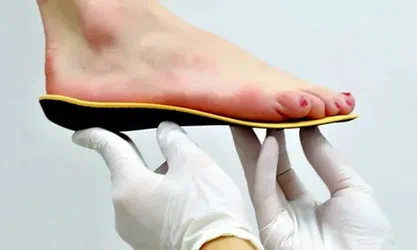
Orthotics, sometimes called orthoses or insoles, are inserts placed inside footwear to provide cushioning, support or help redistribute pressure. However, choosing an orthotic is not simply about selecting the most expensive option or the one with the strongest arch support.
Different feet have different needs. An insert that feels comfortable for one person may be unsuitable for another, particularly when foot shape, activity level, footwear and existing symptoms are different. The Royal College of Podiatry notes that insoles range from softer cushioned designs to firmer supportive options, and professional assessment can help determine which type is appropriate.
For people looking for Footcare services Edinburgh, understanding how orthotics work and when professional guidance may be useful can make the selection process much easier.
What Are Orthotics Designed to Do?
Orthotics can serve different purposes depending on the design and the individual's foot health needs.
Some provide cushioning and comfort, while others are designed to influence how pressure is distributed as you walk. Certain orthoses may also support foot alignment or reduce stress on particular areas.
They may be considered for people experiencing issues such as:
- Foot and heel discomfort
- Certain types of plantar heel pain
- Pressure-related problems
- Some foot alignment concerns
- Certain joint or muscle symptoms
- Specific sports-related foot problems
- Some cases of problematic flat feet
However, not everyone needs orthotics. The Royal College of Podiatry explains that the appropriate insole depends on the individual's circumstances and that a podiatrist can advise on the most suitable option.
Start With the Problem, Not the Product
One of the most common mistakes is buying an orthotic before understanding why you need one.
For example, someone with heel pain may immediately purchase an arch-support insole online. Yet heel pain can have several possible causes, and the most appropriate management may involve footwear changes, exercises, activity modification, cushioning or an orthotic—or a combination of approaches. The Royal College of Podiatry notes that some people with plantar heel pain may benefit from suitable footwear or insoles as part of their overall management.
This is why a professional assessment can be valuable.
Instead of asking, “Which orthotic is best?”, the more useful question is:
“What does my foot actually need?”
Consider Your Foot Shape and Movement
Everyone's feet are different. Factors such as arch height, foot width, joint movement, muscle strength and walking pattern can influence how pressure travels through the feet.
A podiatry assessment may consider how you stand and walk, where you experience discomfort, the type of footwear you use and the activities you regularly perform.
This broader assessment can help determine whether an orthotic is appropriate and what characteristics may be useful.
For example, a person who spends most of the day standing may have different requirements from someone who mainly uses orthotics during running or sport.
For this reason, professional Footcare services Edinburgh can be useful when over-the-counter products have not provided the expected comfort or when symptoms keep returning.
Match the Orthotic to Your Footwear
Even a suitable orthotic may not work well if it is placed inside unsuitable footwear.
An insole takes up space inside a shoe, so the shoe must have enough room to accommodate both the foot and the insert comfortably.
When choosing footwear for orthotics, consider:
- Sufficient length
- Adequate width
- Appropriate depth
- A secure fastening
- A stable sole
- Enough internal space for the orthotic
The Royal College of Podiatry recommends taking insoles along when buying new shoes so their fit can be checked together.
This simple step can prevent the common problem of buying shoes that become too tight once the orthotic is inserted.
Cushioned or Firmer: Which Is Better?
There is no universal answer.
Cushioned Orthotics
Softer insoles may provide comfort and cushioning, particularly when the main concern involves general foot soreness or pressure.
They can be useful when someone wants additional comfort inside everyday footwear.
Firmer Orthotics
Firmer designs can provide more structured support and may influence how the foot moves or how pressure is distributed.
They may be considered for certain foot alignment or activity-related problems, but firmer does not automatically mean better.
The Royal College of Podiatry specifically highlights both cushioned and firmer insole options and recommends choosing according to individual foot needs.
Think About Your Daily Activities
Your lifestyle should influence your orthotic choice.
Someone who walks several miles each day may prioritise cushioning, comfort and durability. A runner may need an insert that works with sports footwear and accommodates training demands. Someone who stands for long periods at work may need a different approach again.
Consider where you expect to use the orthotic:
- Everyday walking
- Work
- Running
- Gym training
- Hiking
- Sports
- Casual footwear
A single orthotic may not necessarily be suitable for every shoe and every activity.
Orthotics Can Help With Pressure Management
Pressure distribution is an important reason why orthotics are sometimes recommended.
For example, certain foot conditions can create increased pressure beneath particular areas of the foot. An appropriately designed orthotic may help redistribute that pressure and make walking more comfortable.
The Royal College of Podiatry describes orthoses as inserts that can redistribute pressure during walking and may help reduce symptoms in certain conditions.
However, orthotics should be viewed as one part of a wider footcare plan rather than a guaranteed solution for every foot problem.
Do Not Ignore Comfort During the Adjustment Period
A new orthotic may feel different from your usual footwear. However, discomfort should not simply be ignored.
If an orthotic causes significant pain, rubbing, pressure or skin irritation, it should be removed and reviewed. The Royal College of Podiatry specifically advises contacting a podiatrist if an insole causes shoe rubbing or increases joint pain.
People with diabetes or other conditions that increase the risk of foot wounds should be particularly careful about pressure and rubbing. Prescription footwear and insoles require appropriate monitoring and professional guidance.
Common Orthotic Selection Mistakes
Choosing Based Only on Reviews
Online reviews can describe other people's experiences, but they cannot determine whether a particular orthotic is appropriate for your feet.
Assuming Maximum Arch Support Is Best
A stronger or higher arch does not automatically provide better support. The design needs to suit the individual.
Wearing Orthotics in Any Shoe
An orthotic that fits one pair of shoes may not fit comfortably in another. Always check the available space.
Ignoring Ongoing Symptoms
If foot pain continues despite using an insert, it may be time to reassess the underlying problem rather than simply buying another orthotic.
When Should You Seek Professional Advice?
Professional assessment can be especially helpful when:
- Foot pain continues despite routine care
- Symptoms interfere with walking or exercise
- You have recurring pressure or callus
- You have a noticeable change in foot shape
- You are unsure which orthotic to choose
- A previous insole has made symptoms worse
- You have diabetes or circulation concerns
The Royal College of Podiatry recommends seeking professional advice for persistent foot problems and notes that podiatrists can assess symptoms, footwear, lifestyle and activity when developing a treatment plan.
Building Orthotics Into a Wider Footcare Plan
Orthotics work best when they form part of a broader approach to foot health.
Depending on your individual needs, this may include:
Footwear: Choosing shoes that provide enough room and appropriate support.
Exercise: Maintaining suitable foot and lower-limb strength and mobility.
Activity management: Adjusting activity when symptoms become aggravated.
Skin care: Monitoring areas affected by pressure or friction.
Professional review: Reassessing orthotics when symptoms or footwear needs change.
This is where ongoing Footcare services Edinburgh can provide useful support. A podiatrist can review how an orthotic is working and consider whether adjustments or a different approach may be appropriate.
Final Thoughts
Choosing the right orthotic should begin with understanding your individual foot health rather than simply purchasing a popular product. Foot shape, symptoms, footwear, activity levels and pressure distribution can all influence which type of insert may be appropriate.
With professional Footcare services Edinburgh, you can receive personalised guidance on orthotics, footwear, pressure management and wider foot health. The right insert may provide useful support for certain conditions, but it should be comfortable, suitable for your footwear and appropriate for your individual needs.
A thoughtful assessment and gradual, monitored approach can help you make better decisions about orthotics while supporting healthier and more comfortable feet.
 French
 English
 Arabic
 Spanish
 Portuguese
 Deutsch
 Turkish
 Dutch
Dutch
 Italiano
 Russian
 Romaian
 Portuguese (Brazil)
 Greek
Greek