


How Security Companies Protect Offices, Assets and Employees
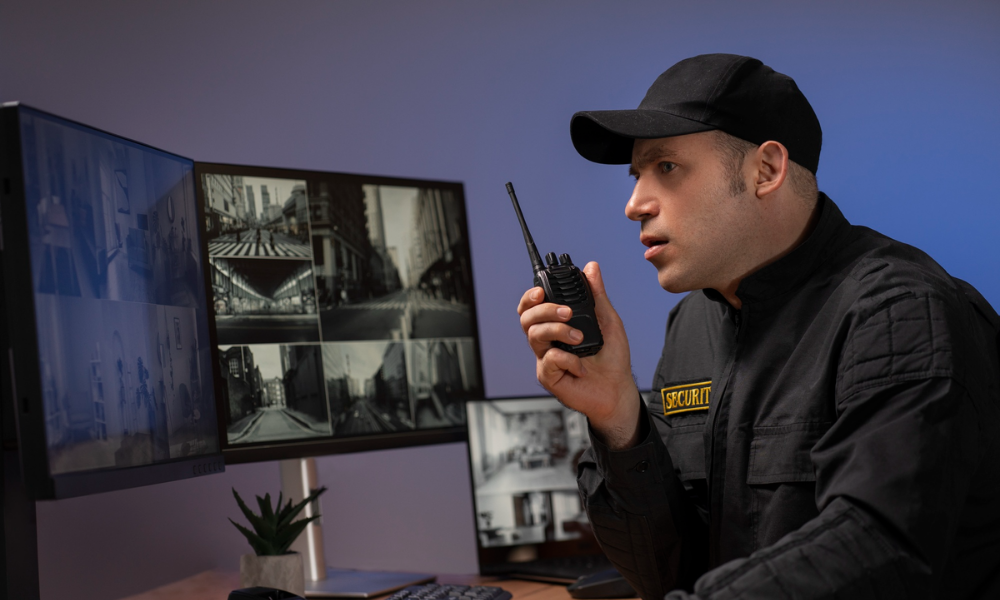
Modern offices contain valuable equipment, confidential information and important business operations, making workplace security an important consideration for organisations of all sizes. Security companies help businesses identify potential risks and introduce practical measures to protect buildings, employees, visitors and physical assets.
Office security is not limited to having security guards at an entrance. It can involve access control, CCTV monitoring, patrols, alarm response, visitor management and incident reporting. A well-planned security strategy combines different measures according to the risks associated with a particular workplace.
Assessing Office Security Risks
Before security measures are introduced, it is important to understand the risks affecting an office. These can include unauthorised access, theft, vandalism, aggressive behaviour, suspicious activity, fire-related emergencies and risks associated with employees working outside normal office hours. Security companies can assess the building, surrounding environment and daily operations to identify potential vulnerabilities.
Risk assessment also helps determine which security measures are appropriate for the workplace. Factors such as the size of the premises, number of employees, operating hours, location and value of equipment can influence the type of protection required. HSE guidance also recommends assessing workplace risks and implementing suitable controls where violence or aggression could affect workers.
Controlling Access to Office Buildings
Access control is one of the most important aspects of office security. Security personnel can monitor entrances, check identification, manage visitor access and ensure that unauthorised individuals do not enter restricted areas. This can be particularly important for offices containing confidential documents, specialist equipment or sensitive business information.
Technology can also support access management through electronic passes, door-entry systems and CCTV. Combining physical security personnel with these systems allows businesses to monitor who enters and leaves the premises while maintaining a clear record of unusual activity. Different areas of a building can also have different access requirements based on the level of sensitivity.
Protecting Employees and Visitors
Security companies can contribute to a safer working environment by monitoring entrances, responding to incidents and helping manage potentially difficult situations. Trained personnel may identify unusual behaviour and take appropriate action before a situation develops further, while also contacting emergency services when necessary.
Employee safety can be particularly important in offices that receive members of the public or operate outside standard working hours. HSE guidance identifies measures such as trained security personnel, CCTV, alarms and building security as possible controls for workplace violence and aggression.
Protecting Physical Assets and Equipment
Offices can contain computers, servers, documents, tools, vehicles and other valuable property. Theft or unauthorised removal of these assets can disrupt normal business operations as well as create financial losses. Security personnel can help by monitoring access points, carrying out patrols and reporting suspicious activity.
Asset protection also involves controlling movement within the building. Restricted rooms, storage areas and equipment zones can be monitored more closely, while visitors and contractors may be required to follow specific access procedures. These measures help create a more controlled environment and can make unauthorised activity easier to identify.
Using CCTV and Security Technology
CCTV is widely used as part of commercial security arrangements. Cameras can help security teams monitor entrances, reception areas, car parks, corridors and other important locations. Where an incident occurs, recorded footage may also provide useful evidence for an internal investigation or the police.
Technology works most effectively when it forms part of a wider security plan rather than being treated as a standalone solution. Security personnel can monitor relevant systems, respond to alerts and investigate unusual activity. HSE guidance notes that CCTV and security systems can act as deterrents while also providing evidence following incidents.
Security Patrols and Incident Response
Regular patrols can provide a visible security presence throughout an office building and its surrounding areas. Depending on the premises, patrols may cover reception areas, corridors, entrances, car parks, storage areas and external boundaries. Visible security can help identify problems such as unsecured doors, suspicious behaviour or damage to property.
Response procedures are equally important when an incident occurs. Security personnel may need to follow established procedures for dealing with unauthorised access, alarms, emergencies or disruptive behaviour. Clear reporting allows management to understand what happened and review whether additional security measures are required.
Supporting Out-of-Hours Office Security
Many offices remain vulnerable outside normal working hours when fewer employees are present. Evening, overnight and weekend periods can require additional attention because suspicious activity may be less likely to be noticed by ordinary staff. Security patrols, monitoring and alarm response can provide additional oversight during these periods.
Keyholding and alarm response can also form part of an office security arrangement. Where applicable, authorised personnel can respond to alarm activations and follow predetermined procedures. The SIA recognises key holding, CCTV and security guarding among regulated security activities covered by its Approved Contractor Scheme.
Choosing a Security Company for Office Protection
When researching a security company london, businesses should consider whether the provider's services match the risks and requirements of the premises. It is useful to examine the types of security activities offered, staff licensing requirements, training arrangements, supervision and experience with similar working environments.
Businesses can also check relevant regulatory information before appointing a contractor. The SIA operates the voluntary Approved Contractor Scheme (ACS), which provides a quality-assurance framework for private security companies. The SIA also maintains a public register of approved contractors, allowing businesses to check whether a provider has ACS approval and which activities it is approved for.
Reviewing Security Arrangements Regularly
Office security should not remain unchanged when the workplace itself changes. New employees, office relocations, changes in operating hours, construction work, new equipment or changes to visitor arrangements can introduce different risks. Regular reviews allow businesses to identify these changes and adjust their security arrangements accordingly.
Incident records can also provide useful information when reviewing security measures. Repeated access problems, alarm activations, theft attempts or reports of aggressive behaviour may indicate that existing controls need improvement. A security strategy that is reviewed periodically can remain more closely aligned with the organisation's current working environment.
Conclusion
Security companies help protect offices by combining people, procedures and technology. Their role can include access control, security guarding, patrols, CCTV monitoring, asset protection, incident response and support for employees and visitors.
Effective office security depends on understanding the specific risks of a workplace and selecting suitable measures rather than relying on one form of protection. Regular risk assessments, appropriate security procedures and ongoing reviews can help businesses maintain a safer and more controlled working environment.
 Russian
 English
 Arabic
 French
 Spanish
 Portuguese
 Deutsch
 Turkish
 Dutch
Dutch
 Italiano
 Romaian
 Portuguese (Brazil)
 Greek
Greek