

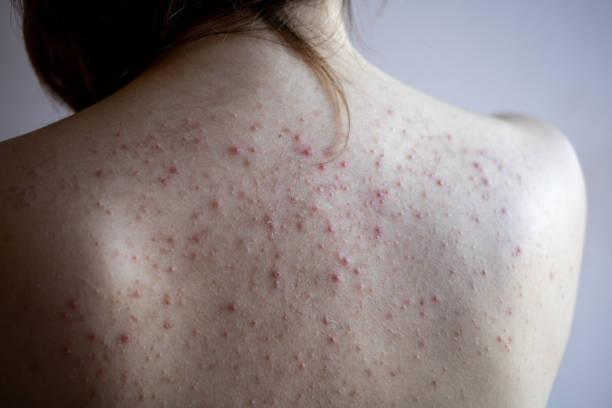
Not every bump on your back is acne. Folliculitis—inflammation of the hair follicles—can look strikingly similar to back acne, yet it requires a different treatment approach. How to Treat Back Acne and Its Effects? Using acne products on folliculitis may not help, and in some cases can worsen the condition. Learning to tell the difference helps you pursue the right care.
What Back Acne Actually Is
Back acne develops when pores become blocked with oil, dead skin cells, and bacteria.
It typically appears as blackheads, whiteheads, papules, pustules, or deeper nodules and cysts.
What Folliculitis Actually Is
Folliculitis is inflammation or infection of the hair follicles. It can be bacterial, fungal, or caused by irritation.
It appears as small, red bumps or pus-filled blisters centred on hair follicles.
Why They Are So Often Confused
Both conditions cause red, raised bumps on the back. Both can itch or feel tender.
Both can be triggered by sweat, friction, and heat. This overlap makes self-diagnosis difficult.
Key Difference One: The Centre of the Bump
Acne lesions are not centred on hair follicles. They form around sebaceous glands and pores.
Folliculitis bumps have a hair emerging from the centre. This is the most reliable visual distinction.
Key Difference Two: The Presence of Blackheads
Blackheads and whiteheads indicate acne. They do not occur in folliculitis.
If you see blackheads alongside bumps, acne is more likely.
Key Difference Three: Itching
Folliculitis frequently itches, sometimes intensely.
Acne is more often tender than itchy, though it can itch as it heals.
Key Difference Four: Distribution
Acne tends to cluster in oily areas and along friction points.
Folliculitis often appears in areas where hair follicles are dense, and may follow shaving or waxing.
Key Difference Five: Response to Treatment
Acne responds to salicylic acid, benzoyl peroxide, and retinoids.
Folliculitis may require antibacterial or antifungal treatments, depending on the cause.
Types of Folliculitis to Recognise
Bacterial folliculitis causes pus-filled bumps. Fungal folliculitis (Malassezia) causes itchy, uniform bumps.
Pseudofolliculitis occurs when ingrown hairs inflame follicles, common after shaving.
What Triggers Folliculitis
Hot tubs, tight clothing, shaving, waxing, and heavy sweating all increase risk.
Fungal folliculitis is more common in warm, humid conditions.
Why the Difference Matters
Using acne treatments on fungal folliculitis will not resolve it and may irritate the skin further.
Correct identification ensures appropriate treatment.
When to Seek Professional Help
If you are unsure which condition you have, professional assessment is essential.
Persistent, painful, or spreading bumps require medical evaluation.
For those seeking expert guidance and customized aesthetic care, you can book an appointment consultation at the Enfield Royal Riyadh.
FAQs
How can I tell acne from folliculitis?
Folliculitis bumps have a hair at the centre; acne lesions do not.
Does folliculitis itch?
Yes, folliculitis often itches, sometimes intensely.
Can acne treatments help folliculitis?
Not always; fungal folliculitis requires antifungal treatment.
What causes folliculitis on the back?
Shaving, sweating, friction, hot tubs, and fungal or bacterial infections.
When should I see a professional?
If you are unsure of the diagnosis or symptoms persist.
Final Thoughts
Back acne and folliculitis look similar but require different treatments. The presence of blackheads, the location of bumps, and the degree of itching help distinguish them. When in doubt, professional assessment ensures accurate diagnosis and effective care. Treating the wrong condition wastes time and may worsen symptoms. Correct identification is the first step toward clear skin.

 Arabic
 French
 Spanish
 Portuguese
 Deutsch
 Turkish
 Dutch
Dutch
 Italiano
 Russian
 Romaian
 Portuguese (Brazil)
 Greek
Greek