


Living With Lipedema: Practical Tips for Daily Comfort
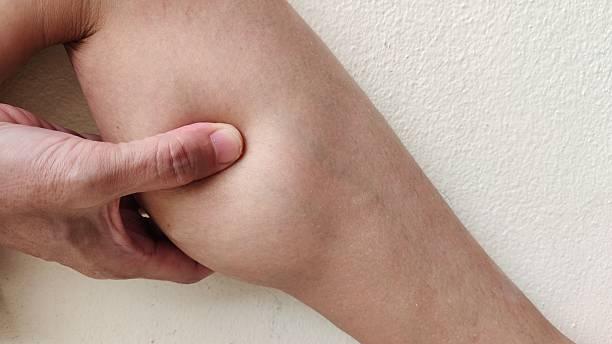
Living with lipedema can present daily challenges, including tenderness, swelling, heaviness in the legs, and difficulty finding comfortable clothing. Lipedema is a chronic condition involving an abnormal buildup of fat, most commonly around the hips, thighs, and legs, and sometimes the arms. Although it can affect mobility and confidence, the right daily habits and professional guidance can help improve comfort and support a better quality of life.
For people seeking reliable information and appropriate care, understanding the condition is an important first step. Finding a lipedema specialist near me can help individuals explore their symptoms, receive an accurate assessment, and develop a personalized management plan. With consistent self-care, suitable physical activity, and medical support, many people can learn to manage their symptoms more effectively.
Understanding the Challenges of Living With Lipedema
Lipedema is often mistaken for ordinary weight gain or obesity, but it is a distinct medical condition. It typically causes symmetrical fat accumulation in the lower body, while the feet are often unaffected. Some individuals also experience easy bruising, pressure sensitivity, and discomfort when standing or walking for extended periods.
Symptoms can vary from person to person and may change over time. Recognizing these challenges allows individuals to make practical adjustments to their routines and seek appropriate treatment when necessary.
Recognizing Your Personal Triggers
Keeping track of symptoms can help identify activities or circumstances that increase discomfort. For example, prolonged standing, extended periods of sitting, or strenuous activities may worsen heaviness or tenderness in some individuals. Recording symptoms, activity levels, and changes in swelling can help you discuss your experiences with a healthcare professional and identify suitable adjustments.
Practical Tips for Improving Daily Comfort
Small changes to everyday routines can make living with lipedema more manageable. The most effective approach depends on your symptoms, mobility, and overall health.
Choose Comfortable Clothing
Tight clothing that presses against sensitive areas may increase discomfort. Consider breathable fabrics, soft waistbands, and clothing that allows unrestricted movement. Well-fitting garments can reduce unnecessary pressure and help you feel more comfortable throughout the day.
Some people benefit from professionally fitted compression garments. However, compression is not appropriate for everyone in the same way, so consult a qualified healthcare professional before starting compression therapy, particularly if you have circulation problems or other medical conditions.
Incorporate Gentle Physical Activity
Regular, low-impact movement may support mobility, circulation, and general well-being. Walking, swimming, water-based exercises, and gentle cycling are potential options for people who can perform them comfortably.
Water-based activities can be particularly appealing because water provides buoyancy, reducing the load on the joints. Start gradually, pay attention to your body's response, and avoid pushing through significant pain. A physiotherapist can help develop an exercise routine suited to your individual needs.
Take Breaks and Adjust Your Routine
If your work involves sitting or standing for long periods, try changing positions regularly and incorporating short movement breaks. Elevating your legs when resting may help relieve heaviness for some individuals, although results vary. Planning demanding activities around your energy levels can also reduce unnecessary strain.
Supporting Your Well-Being With Healthy Habits
Focus on Balanced Nutrition
A balanced eating pattern supports overall health, energy, and cardiovascular well-being. Include vegetables, fruits, whole grains, lean proteins, and healthy fats in your meals. Staying adequately hydrated is also important.
Although lipedema is not simply caused by excess body weight, maintaining general health can support mobility and make other health conditions easier to manage. Avoid restrictive diets or expecting weight loss alone to eliminate lipedema-related fat deposits.
Prioritize Emotional Health
Living with a chronic condition can affect confidence, body image, and emotional well-being. Remember that lipedema is a medical condition, not a personal failure. Connecting with supportive friends, family members, or patient communities may help you feel less isolated.
If symptoms affect your mood or daily functioning, consider speaking with a mental health professional. Emotional support is a valuable part of long-term condition management.
Exploring Professional Lipedema Care in Riyadh
If lipedema symptoms interfere with your daily activities, professional evaluation can help clarify your condition and identify suitable management options. A healthcare professional may review your medical history, examine the affected areas, and assess other possible causes of swelling or discomfort.
People researching Lipedema in Riyadh should look for qualified professionals who understand the condition and can explain the benefits, limitations, and potential risks of available treatments. Depending on individual needs, management may include compression therapy, physical therapy, symptom management, or a discussion of surgical options in selected cases.
Early assessment can also help distinguish lipedema from conditions such as lymphedema or other causes of leg swelling. Sudden swelling, redness, warmth, or severe pain, especially in one leg, requires prompt medical assessment because these symptoms can indicate a serious problem.
Frequently Asked Questions
Can daily habits help manage lipedema symptoms?
Yes. Gentle exercise, comfortable clothing, appropriate compression when recommended, and regular movement breaks may help improve comfort. Results vary, and daily habits do not eliminate lipedema.
Is walking suitable for people with lipedema?
Walking may be beneficial when performed at a comfortable pace. Begin with manageable distances and increase activity gradually according to your symptoms and physical ability.
Does lipedema only affect the legs?
No. Although the legs and hips are commonly affected, lipedema can also involve the arms. The distribution and severity of symptoms differ between individuals.
Can lipedema be managed without surgery?
Many people manage symptoms with conservative approaches, including physical activity, compression when appropriate, and supportive care. Surgery may be considered in selected cases after an individualized medical assessment.
When should I seek professional advice about lipedema?
Consider an assessment if you experience persistent tenderness, symmetrical fat accumulation, easy bruising, or heaviness that affects everyday activities. Seek urgent medical attention for sudden or severe swelling, particularly when accompanied by pain, redness, or warmth.
Take the Next Step Toward Better Daily Comfort
Living with lipedema becomes more manageable when you understand your symptoms and have access to appropriate guidance. Enfield Royal Clinic can be a starting point for exploring your concerns and discussing suitable next steps with a qualified healthcare professional. Arrange a consultation to learn more about assessment and personalized care options that may help support your comfort, mobility, and overall well-being.

 Arabic
 French
 Spanish
 Portuguese
 Deutsch
 Turkish
 Dutch
 Italiano
 Russian
 Romaian
 Portuguese (Brazil)
 Greek
