


Cranioclast: Design, History, and Clinical Role
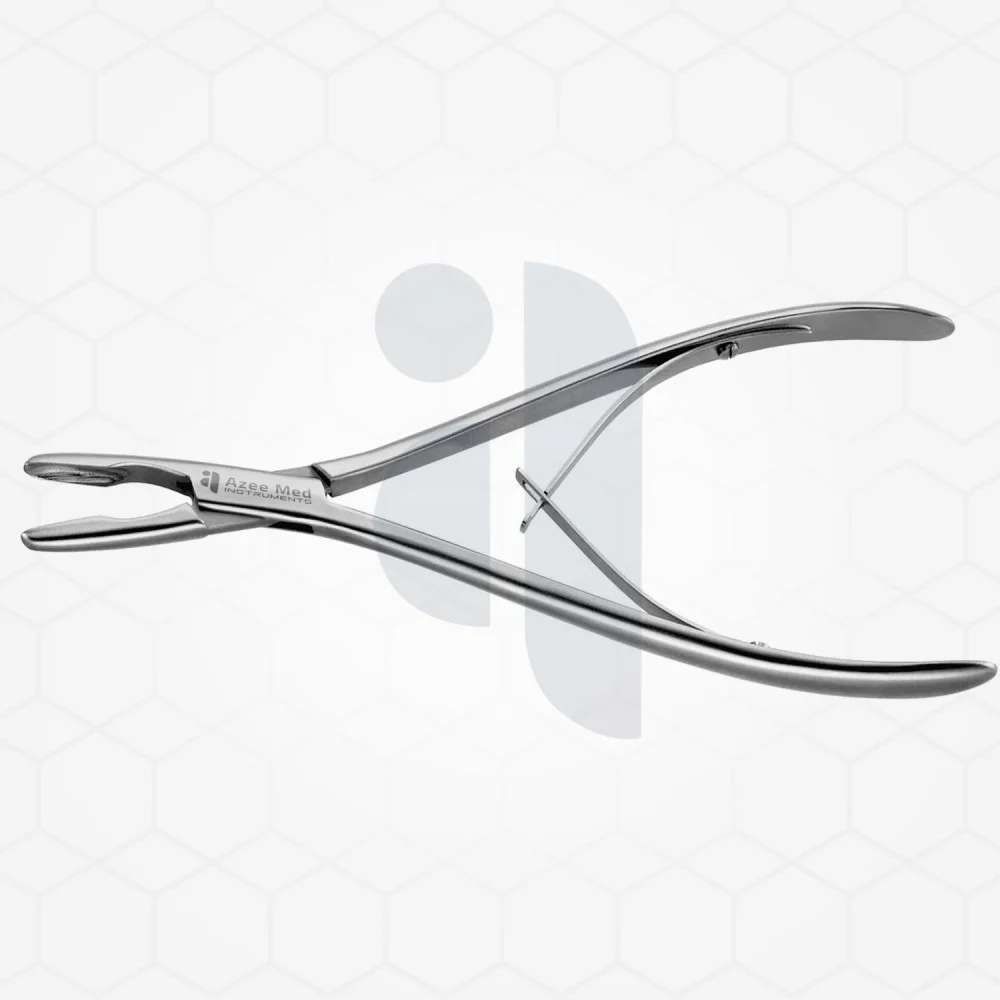
A cranioclast is a medical instrument designed for specialized obstetric procedures. It belongs to a group of destructive obstetric tools developed in the 19th century to manage obstructed labor after fetal demise. The device grips and compresses the fetal skull so delivery can happen vaginally, which protects the mother from the dangers of prolonged, obstructed labor. Knowing how cranioclast instrument works helps clinicians, educators, and procurement teams understand its place in surgical practice.
The History Behind the Cranioclast
Scottish obstetrician Sir James Young Simpson introduced an early version in the 1860s, and later designs such as Braun's cranioclast refined the concept. Before cesarean sections became safe and widely available, the cranioclast instrument that often saved mothers' lives when no other options existed. Its development shows how surgeons adapted their tools to the medical realities of their time.
Design and Construction
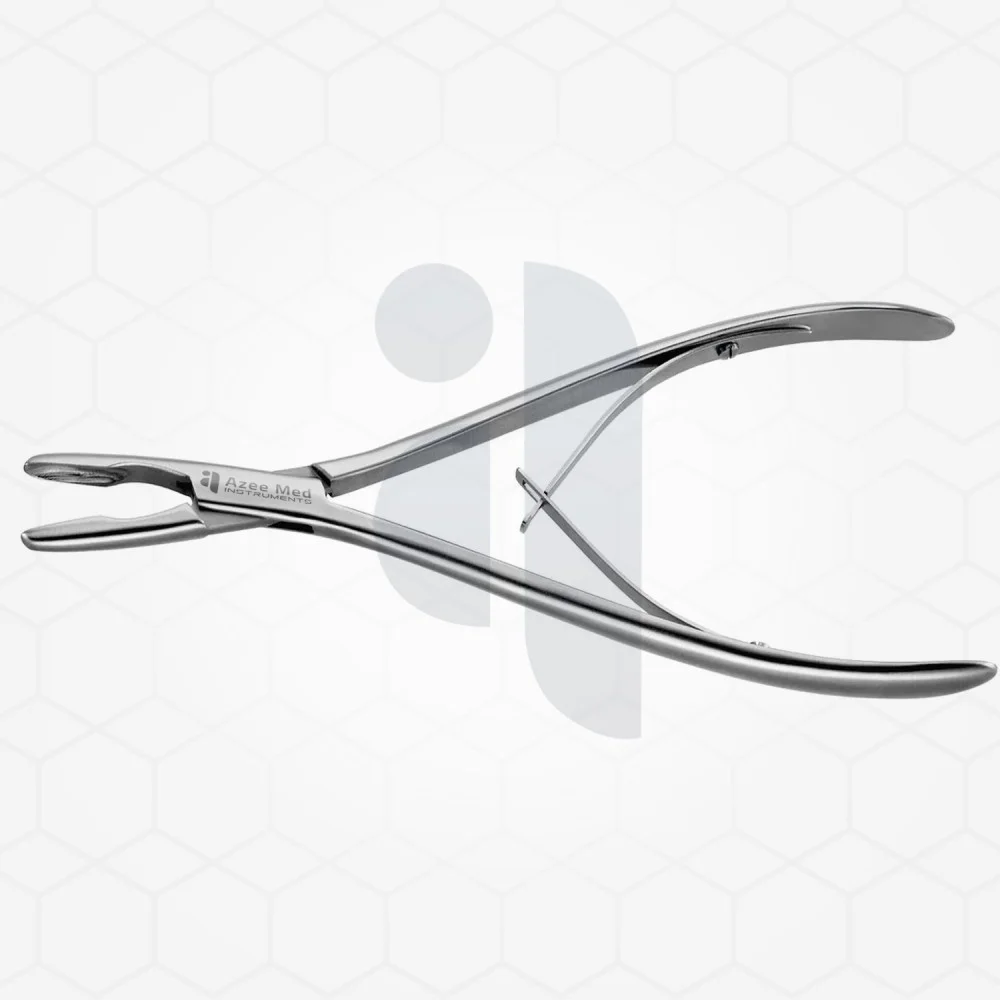
Structurally, the cranioclast instrument built much like a heavy, two-bladed forceps. One solid blade is placed inside the skull, while the other, concave blade rests on the outside. A screw or locking mechanism at the handles tightens the blades for a firm, controlled grip. Because the instrument must handle considerable force, it requires high-grade stainless steel, precise alignment, and smooth edges that reduce the risk of injury to maternal tissue.
Clinical Role in Modern Obstetrics
Today, cesarean delivery has largely replaced destructive procedures in well-equipped hospitals. Still, the cranioclast instrument that keeps its value in some low-resource settings. There, delivering a deceased fetus vaginally can spare the mother the risks of major abdominal surgery. Only trained clinicians should use it, usually alongside a perforator, and always with careful attention to maternal safety and dignity.
Why Quality Matters
When an instrument applies steady force near delicate tissue, quality cannot be an afterthought. A cranioclast instrument where poor craftsmanship can lead to slipping, uneven pressure, or corrosion. Surgeons depend on reliable locking, balanced weight, and a finish that holds up through repeated sterilization cycles.
AzeeMed's Commitment to Excellence
AzeeMed makes surgical instruments of the highest quality for the medical community around the globe. With over two decades of experience, the company supplies instruments for plastic, dental, ophthalmic, neuro and spine, and orthopedic surgeries. AzeeMed brings the same precision to every specialized tool, because a cranioclast instrument that demands the same strict standards as any device in the operating room. Clinicians around the world trust AzeeMed for durable, accurately engineered instruments that perform when it matters most.
Care and Maintenance
Proper care extends the life of any surgical tool. Since the microsurgical instruments with hinged and threaded parts, staff should clean the joints thoroughly and inspect the blades for wear. They should also lubricate the screw mechanism before sterilization. These routine checks help the instrument perform safely and consistently every time.
Conclusion
The cranioclast is a medical instrument with a long and meaningful place in obstetric history. It began as a lifesaving option in the 1800s and still serves a purpose in certain clinical settings today. Its strong two-bladed design, secure locking mechanism, and dependence on high-grade steel show why craftsmanship matters so much in surgical tools. Even as modern obstetrics relies more on cesarean delivery, the instrument remains a clear example of how thoughtful engineering can protect patients. Choosing a trusted manufacturer makes all the difference in performance and safety.

 English
 French
 Spanish
 Portuguese
 Deutsch
 Turkish
 Dutch
 Italiano
 Russian
 Romaian
 Portuguese (Brazil)
 Greek
