


Shirt Packaging Guide: Sizes, Materials, and Design Tips
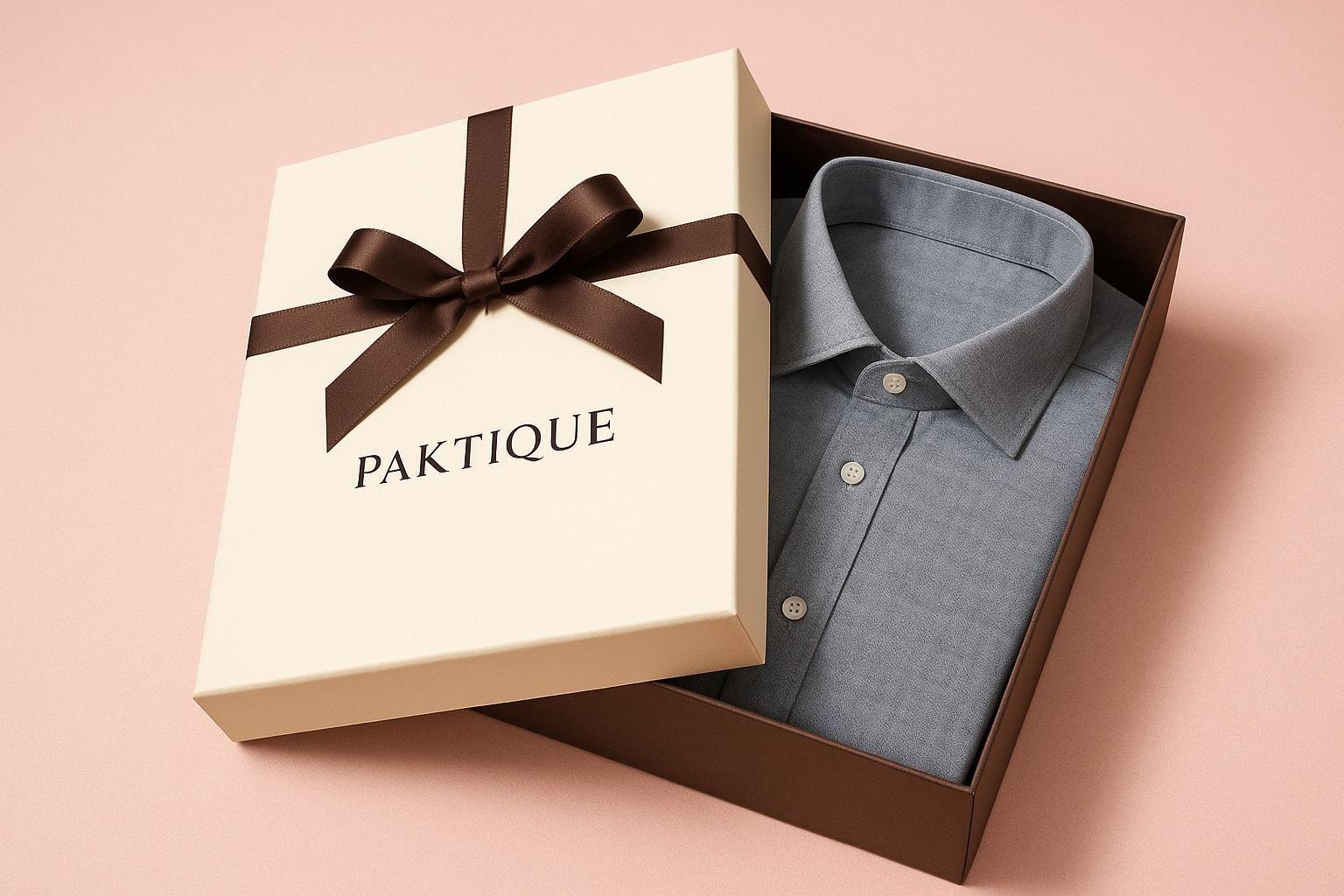
Crisp Folds and Clean Lines: How to Package Shirts That Arrive Looking Great
A shirt can be perfectly cut, beautifully stitched, and still disappoint if it shows up wrinkled in a floppy plastic bag. For clothing brands, the box is the first thing a customer touches, and it sets the tone for everything inside. Choosing the right custom apparel packaging boxes helps keep shirts flat, clean, and ready to wear while giving your brand a confident first impression. This guide covers why packaging matters, how to pick materials and sizes, and how to plan an order that fits your budget.
Why the Box Is Part of the Product
Shoppers can't feel fabric through a screen, so they lean on every other signal to judge quality, and packaging is one of the loudest. In Adobe Express's March 2026 consumer survey, 41% of consumers said packaging affects their trust in a brand. For online sellers, trust is hard to earn, and a sturdy, tidy box is an easy place to start.
Packaging also pays off in practical ways. A well-fitted box reduces wrinkles and damage, which means fewer returns and fewer unhappy emails. A recognizable design helps customers remember your name, and a pleasant unboxing gives them a reason to post photos. For small labels with limited ad budgets, custom apparel packaging boxes work as a quiet marketing channel that reaches every single buyer.
Choosing Materials and Structure
Pick the Right Board
Corrugated board is the usual choice for shipping because it balances strength with weight. Thinner flutes print crisply and suit lightweight tees, while thicker board protects heavier items like flannels or structured button-ups. Kraft finishes feel natural and understated, and white-coated board lets bold colors stand out. Choose recyclable options where you can, since many shoppers notice what happens to a box after delivery.
Protect Against Moisture and Creases
Fabric and humidity don't mix. Fold shirts neatly, add a sheet of tissue between layers, and pick a box with a firm closure so water and dust have a harder time getting in. A thin cardboard folding board inside the garment helps hold crisp lines for dress shirts, which are the hardest to keep smooth in transit.
Getting the Size Right
Match the Box to the Fold
A box that is too big wastes material, lets the garment shift, and can raise shipping costs. A box that is too small crushes the fabric and strains the closure. Measure your folded shirt, include tissue or a card, and leave a little room. Custom shirt boxes sized to your real products keep each item snug and cut down on filler. If you sell tees, button-ups, and polos, consider two or three standard sizes rather than one oversized box for all.
Think About Shipping and Storage
Flat-packed mailer styles save storage space because they ship flat to your warehouse and fold up when you need them. Deeper styles with a tuck lid suit bundles and gift sets. Test your chosen size with a real folded order before committing to a large run, and weigh a packed box to confirm it stays within your target shipping tier.
Presentation for Gifts and Repeat Buyers
Shirts are popular gifts, and gift buyers care about presentation as much as the product. They can't check the final result, so a refined box gives them confidence that the present will land well. Well-made custom shirt boxes can include a ribbon pull, a printed interior, or a slot for a handwritten note. Offering a premium wrap option at checkout raises average order value and gives shoppers an easy way to send something polished.
Design Tips That Build Recognition
Keep It Clean
Apparel brands often rely on confident, minimal design. One bold color, a crisp logo, and a short line of copy usually look more premium than crowded patterns. Use high-resolution vector files, and match your colors to your website and labels. When your custom apparel packaging boxes echo the look of your garments and your store, customers recognize you faster.
Use the Inside Too
Interior printing adds a small reveal when the lid lifts. A pattern, a brand story, or a care guide gives people something to enjoy. Keep text short and easy to read, and consider a QR code linking to styling ideas or a size guide.
Budget, Sampling, and Timing
Pricing depends on size, board grade, print coverage, finishes, and quantity. Setup costs are spread across the order, so larger runs usually lower the cost per unit. Still, avoid overbuying before a design is proven. Start with a month or two of expected shipments, then reorder as sales grow. Ask suppliers to include proofs and delivery in each quote, and confirm that your custom apparel packaging boxes can be reordered using the same artwork file.
Production often takes several weeks, so order well before seasonal peaks. Always request a physical sample and test it with real shirts, including a drop test on the outer carton.
Frequently Asked Questions
Can I ship multiple shirts in one box?
Yes. A deeper style with a sturdy base can hold several folded shirts, with tissue between layers. Many brands use custom apparel packaging boxes with a firm lid so stacked items don't shift or crease.
Can I order a small batch to test a design?
Often, yes. Digital printing generally allows lower minimums, which suits a trial run. Some brands start with custom shirt boxes in their bestselling size and expand once customer feedback is positive.
How do I keep dress shirts from wrinkling?
Use a folding board, add tissue between layers, and choose a box that fits snugly. Avoid overstuffing, since pressure from a bulging lid is a common cause of creases.
Final Thoughts
A great shirt deserves a box that protects it and shows off your brand. Choose sturdy materials, size every box around the products you actually sell, and keep the design clean and recognizable. Do that, and your custom apparel packaging boxes will carry every order safely while turning each delivery into a moment customers remember.

 Arabic
 French
 Spanish
 Portuguese
 Deutsch
 Turkish
 Dutch
 Italiano
 Russian
 Romaian
 Portuguese (Brazil)
 Greek
