


Understanding the Science Behind Stem Cell Therapy
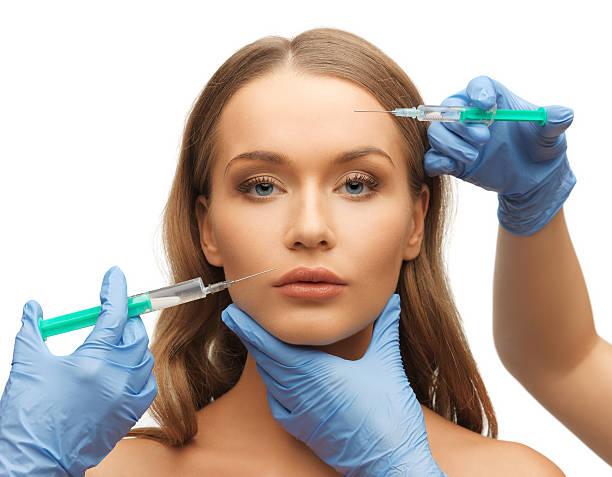
Advances in regenerative medicine have created new opportunities for researchers to investigate how the body repairs and maintains different tissues. Stem cells are an important part of this research because of their ability to renew themselves and develop into certain specialized cell types under appropriate conditions. stem cell therapy in saudi arabia has gained attention as an emerging area of medical and aesthetic interest, particularly for its potential applications in tissue repair, skin health, and hair restoration. Understanding the science behind these treatments helps patients distinguish established medical knowledge from developing research and make informed decisions about potential procedures.
What Are Stem Cells?
Stem cells are unique cells that have two important characteristics: they can produce more cells like themselves through self-renewal, and some can develop into specialized cell types. These abilities make them important in normal development, tissue maintenance, and scientific research.
Different types of stem cells have different characteristics and potential applications. Their ability to develop into other cells depends on their origin, biological properties, and surrounding environment.
Embryonic Stem Cells
Embryonic stem cells are derived from early-stage embryos and can develop into many different cell types. Their developmental potential makes them valuable in laboratory research. However, their use involves important ethical, scientific, and regulatory considerations.
Adult Stem Cells
Adult stem cells are found in certain tissues, including bone marrow and fat tissue. They help maintain and repair the tissues in which they are located. These cells generally have a more limited ability to develop into different cell types than embryonic stem cells.
Induced Pluripotent Stem Cells
Induced pluripotent stem cells are created by reprogramming mature cells into a state that resembles embryonic stem cells. They allow researchers to study disease processes, test potential treatments, and investigate how cells develop. Their use in clinical applications remains an active area of research.
How Do Stem Cells Work?
Stem cells contribute to biological processes through more than one mechanism. Their potential effects depend on the cell type, tissue environment, and specific application.
Self-Renewal and Cell Differentiation
Self-renewal allows stem cells to produce additional stem cells, helping maintain a supply of cells for tissue-related processes. Differentiation refers to the development of cells into specialized forms with particular functions.
These processes are influenced by biological signals and environmental conditions. Researchers study how these mechanisms could potentially be used in regenerative medicine.
Cellular Communication
Stem cells can also release signaling molecules that interact with surrounding cells. These signals may influence processes such as inflammation, cell activity, and tissue responses.
This is an important area of research because some potential benefits of stem cell-based approaches may involve cellular communication rather than the direct replacement of damaged tissue.
Interaction With the Tissue Environment
The surrounding tissue environment can influence how cells behave. Factors such as inflammation, oxygen availability, and local biological signals may affect cellular activity. Understanding these interactions helps researchers investigate how regenerative treatments might work in different conditions.
The Role of Stem Cells in Regenerative Medicine
Regenerative medicine focuses on developing approaches that may help repair, replace, or restore the function of damaged cells, tissues, or organs. Stem cell research is one part of this broader field.
Scientists are investigating how stem cells may contribute to tissue maintenance, repair mechanisms, and disease treatment. Some stem cell-based therapies have established medical applications for specific conditions, while many proposed uses remain experimental or under clinical investigation.
The potential of Stem Cell Therapy in Riyadh should therefore be evaluated according to the exact product and intended medical or cosmetic application. Evidence supporting one type of treatment cannot automatically be applied to another.
Potential Applications in Skin and Hair Health
Stem cell research has attracted interest in dermatology and aesthetic medicine because of the complex biological processes involved in maintaining skin and hair follicles.
Skin Repair and Rejuvenation
Researchers are studying whether stem cells and cell-derived substances may influence cellular communication and processes associated with skin repair. Some investigations focus on inflammation, tissue responses, and collagen-related activity.
However, this does not establish that every cosmetic stem cell procedure can improve skin firmness, remove wrinkles, or reverse sun damage. Clinical evidence varies, and many applications require further research.
Hair Restoration Research
Hair follicles undergo natural growth cycles that can be affected by genetics, hormones, age, and health conditions. Researchers are investigating whether stem cell-related approaches could influence follicle activity or the surrounding scalp environment.
Although early findings have generated interest, reliable hair regrowth has not been established for all stem cell-based procedures. The cause of hair loss should be diagnosed before selecting a treatment.
Tissue Maintenance and Repair
Some regenerative research explores how cell-derived signals may influence tissue responses and the body's repair mechanisms. These investigations may contribute to future treatment development, but laboratory findings should not be confused with proven clinical outcomes.
Understanding Different Stem Cell-Based Products
The term stem cell therapy can describe different products and procedures. Understanding these distinctions is essential before considering treatment.
-
Living stem cells: These are actual cells that may be obtained from particular biological sources and prepared for specific applications.
-
Cell-derived substances: These may include signaling molecules or other materials released by cells. They are not the same as living stem cells.
-
Conditioned media and related preparations: These may contain substances produced by cells during laboratory culture, with composition depending on the preparation process.
Products marketed under similar names may have different ingredients, processing methods, and evidence. Patients should ask exactly what is being used rather than relying only on the treatment label.
How Scientists Evaluate Stem Cell Treatments
Before a treatment becomes an established medical option, researchers must investigate its safety, effectiveness, and appropriate use. This process involves several stages.
Laboratory Research
Scientists begin by studying cellular behavior and biological mechanisms under controlled conditions. Laboratory experiments can help identify potential benefits and possible safety concerns.
Preclinical Studies
Researchers may use suitable experimental models to examine how a proposed treatment behaves in living systems. These studies provide additional information but cannot independently establish safety or effectiveness in humans.
Clinical Trials
Human clinical studies assess treatment outcomes, side effects, and other relevant factors. Larger, well-designed studies may help determine whether benefits are consistent and whether they outweigh potential risks.
When evaluating Stem Cell Therapy in Riyadh, patients should ask what clinical evidence supports the exact product and procedure being offered. A treatment's popularity or promotional claims do not establish its effectiveness.
Safety, Regulation, and Patient Assessment
Stem cell-based procedures require careful attention to product quality, processing, storage, and administration. Potential risks may include infection, inflammation, immune reactions, allergic responses, and unexpected tissue effects. The nature and likelihood of complications depend on the treatment.
A qualified healthcare professional should review medical history, existing conditions, allergies, medications, and treatment goals. Patients should also ask whether the product has appropriate regulatory authorization for its intended use and whether the procedure is supported by reliable clinical evidence.
Not every person is a suitable candidate, and established alternatives may offer more predictable benefits for certain conditions.
Explore Regenerative Treatment Information at Royal Clinic Saudia
Stem cell science is an evolving field that continues to expand understanding of cellular renewal, communication, and tissue repair. Although research has identified promising possibilities, the effectiveness of individual treatments depends on their composition, intended application, and supporting clinical evidence. If you are considering Stem Cell Therapy in Riyadh, consult the specialists at Royal Clinic Saudia to discuss your concerns, understand the available options, and review the potential benefits and limitations before making a decision.

 Arabic
 French
 Spanish
 Portuguese
 Deutsch
 Turkish
 Dutch
 Italiano
 Russian
 Romaian
 Portuguese (Brazil)
 Greek
