


Which Stamping Sheet Metal Parts Suit Your Project Needs?
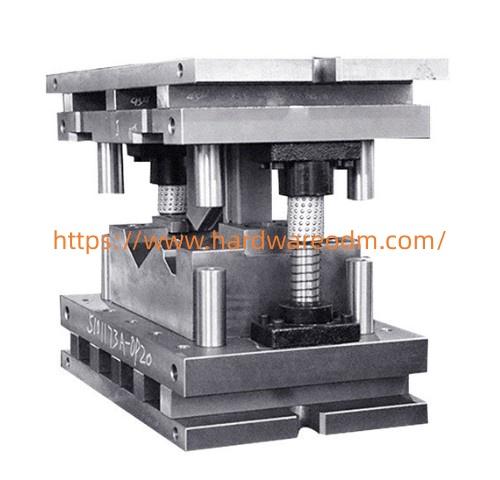
Stamping Sheet Metal purchasing involves several decisions that can influence product dimensions, manufacturing costs, assembly compatibility, and delivery schedules. For buyers, a successful order begins with a clear understanding of the component's intended function and production requirements. Submitting a drawing alone may not provide enough information for accurate manufacturing preparation. A detailed review of materials, tooling, processing methods, and inspection arrangements can help both parties establish clear expectations before production begins.
Define the Component's Actual Purpose
Before requesting a quotation, buyers should explain how the component will be used in the finished product. Enclosures, mounting brackets, electrical terminals, support frames, and protective covers have different structural and functional requirements.
Consider the following questions:
Will the component carry a mechanical load?
Does it need to fit with other assembled parts?
Will it operate in a humid or high-temperature environment?
Are appearance and surface condition important?
Does the design require electrical conductivity?
Will the component undergo repeated movement or pressure?
These details help the manufacturer understand which characteristics require particular attention. A clear application description also makes it easier to discuss suitable material grades and manufacturing methods.
Review Drawings Before Requesting a Quotation
Technical drawings form the basis of manufacturing communication. Buyers should check whether the supplied documents include all dimensions, hole positions, bending angles, thickness specifications, and surface requirements.
Dimensional tolerances should receive special attention. If every feature is assigned a very narrow tolerance, production costs and inspection requirements may increase. Instead, identify the dimensions that directly affect installation and product performance.
For complicated structures, provide both two-dimensional drawings and three-dimensional files when available. These documents can help the engineering team understand the component's shape and identify possible production difficulties.
Buyers should also confirm the drawing revision number. When a design changes, outdated files should be replaced to prevent production teams from following different specifications.
Calculate Tooling Investment and Production Quantity
Tooling costs are an important consideration when evaluating a manufacturing quotation. The required investment depends on component geometry, production volume, material thickness, and the selected processing method.
Buyers should compare the expected order quantity with the tooling arrangement. For smaller orders, a simpler production approach may be worth discussing. For recurring orders, dedicated tooling may support consistent dimensions and a more organized production process.
Before confirming an agreement, clarify:
Initial tooling development costs
Estimated development schedule
Tool ownership arrangements
Maintenance responsibilities
Storage conditions
Possible charges for future modifications
Understanding these details can help purchasing teams evaluate the full project budget rather than focusing only on the unit price.
Examine Forming and Processing Requirements
A finished component may involve several operations, including cutting, punching, bending, forming, and secondary machining. The manufacturing sequence should match the shape and functional requirements of the product.
Pay attention to narrow openings, small holes, sharp corners, and multiple bending sections. These features may require additional process planning.
Bending angles and dimensional changes should also be reviewed. Different materials can respond differently during forming, so the final dimensions may need verification through sample production.
If the design includes several connected sections, discuss their assembly relationship with the manufacturer. Identifying potential interference during the engineering stage can help reduce adjustments after production starts.
Confirm Surface Finishing and Appearance
Surface treatment should be selected according to the component's working environment and intended appearance. Possible options include powder coating, painting, plating, polishing, and other finishing processes.
Buyers should specify the required color, surface texture, coating thickness, and corrosion protection conditions. If the component will remain visible after assembly, appearance standards should be clearly documented.
Finishing operations can also affect dimensions. For example, a coating may change the final size of holes or fitted sections. Buyers should clarify whether critical dimensions need inspection before or after treatment.
Providing a sample or an approved appearance reference can make quality expectations easier to communicate.
Establish a Practical Quality Inspection Plan
Inspection requirements should be agreed upon before production. Buyers should identify which dimensions and functional characteristics need verification.
A suitable inspection plan may include:
Incoming material verification
Dimensional measurement
Hole position and spacing checks
Bending angle inspection
Surface appearance assessment
Assembly compatibility testing
For repeat orders, buyers can discuss sampling frequency and inspection records. If special reports or certificates are required, these should be included in the purchasing agreement.
Initial sample approval is also useful. It allows engineering and purchasing teams to check the actual component before authorizing regular production.
Check Production Scheduling and Supplier Communication
Production coordination involves more than confirming a delivery date. Buyers should discuss raw material preparation, tooling development, processing time, inspection arrangements, packaging, and shipment planning.
For projects with changing specifications, establish a clear procedure for drawing updates and approval. This helps prevent unapproved modifications from entering the production process.
Communication is also important when an order involves several component types or manufacturing stages. A supplier should be able to clarify technical questions and provide relevant production information during project coordination.For businesses seeking customized industrial components, hardwareodm offers product information and manufacturing communication for different project requirements. Buyers can prepare their drawings, material preferences, estimated quantities, and finishing details before making an inquiry. Visit https://www.hardwareodm.com/product/ to review available products and discuss your upcoming manufacturing project with the team.

 Arabic
 French
 Spanish
 Portuguese
 Deutsch
 Turkish
 Dutch
 Italiano
 Russian
 Romaian
 Portuguese (Brazil)
 Greek
