


Best Plastic Surgeons in Dubai Explain Sculptra Fillers for the Midface
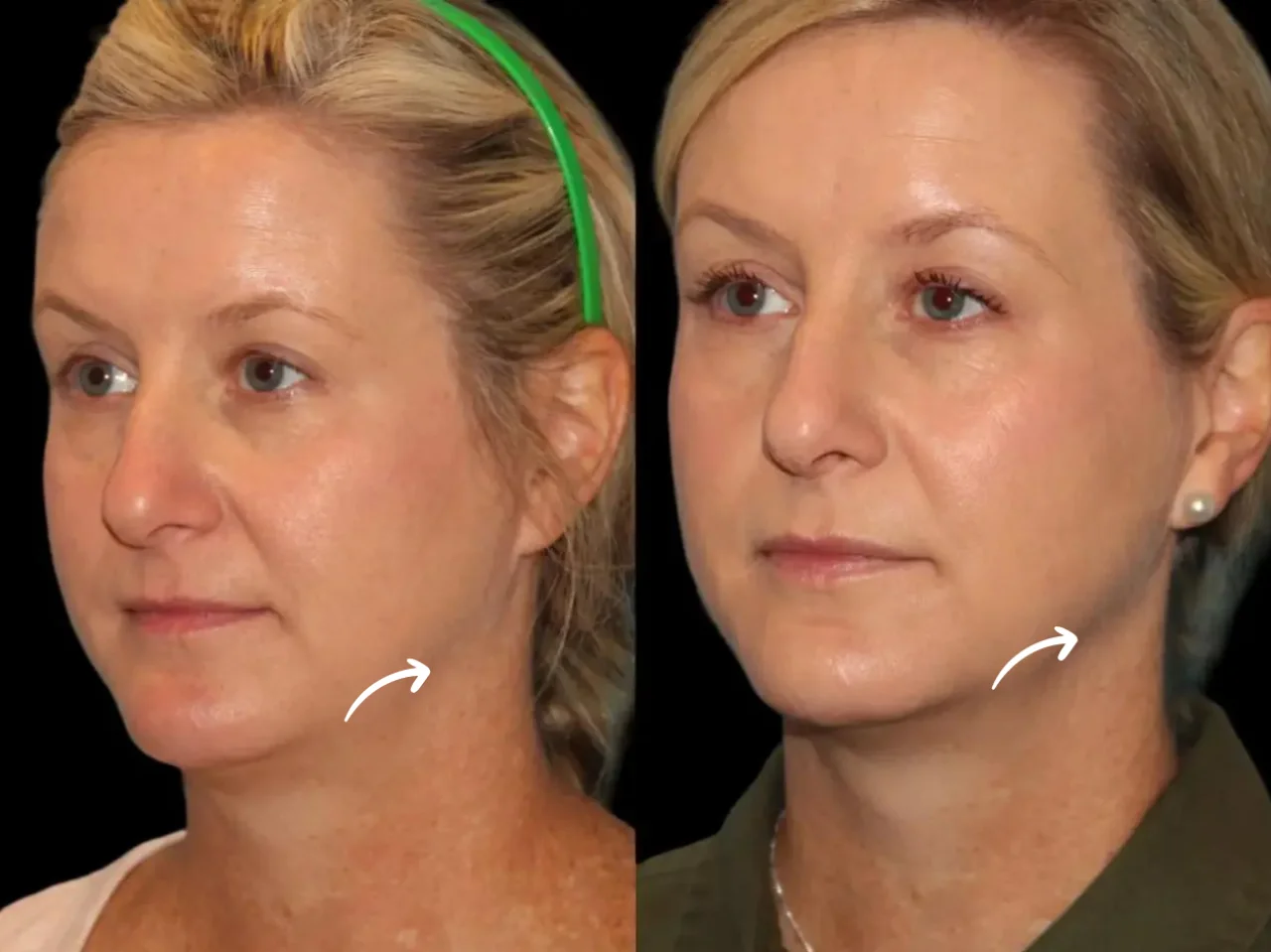
The midface plays a central role in defining facial balance, youthful contours, and the transition between the lower eyelids and cheeks. Over time, changes in collagen production and underlying soft tissue volume can make this area appear flatter, less supported, or more hollow. These changes may affect cheek definition and create a tired appearance, even when the skin itself remains relatively healthy.
Sculptra is a collagen-stimulating injectable treatment that may help address selected concerns associated with midface volume loss. Unlike conventional fillers that primarily provide immediate volume, Sculptra encourages the body's natural collagen production. This gradual process can support improvements in facial fullness and skin structure while maintaining a more subtle appearance.
Understanding how Sculptra works, which midface concerns it may address, and what influences treatment outcomes is important before considering the procedure. From cheek volume restoration to facial contour improvement, a carefully planned approach can help maintain natural proportions. This guide explains the treatment mechanism, suitability, procedure, recovery, safety considerations, and important factors to evaluate before choosing an aesthetic practitioner in Dubai.
How Best Plastic Surgeons in Dubai Approach Midface Rejuvenation
Best Plastic Surgeons in Dubai consider the entire facial structure before recommending Sculptra for midface volume loss. The assessment includes cheek projection, skin quality, facial proportions, underlying tissue changes, and the relationship between the midface and surrounding areas. The objective is to improve volume-related concerns without making the cheeks look excessively full or changing the person's natural facial identity.
The midface includes the cheek area, tissues beneath the eyes, and the region surrounding the upper nose and mouth. Changes in this area can affect the appearance of the lower eyelids, nasolabial folds, and overall facial contours. For this reason, treating one isolated area without considering the surrounding structures may produce an unbalanced result.
Sculptra may be considered when gradual collagen stimulation is appropriate for the individual's concerns. Its mechanism differs from traditional hyaluronic acid fillers, which provide volume through the placement of a gel-like substance. The suitability of either option depends on the type of volume loss, desired outcome, and professional assessment.
Why Midface Volume Matters
The midface contributes significantly to facial support and contour. Healthy cheek volume creates a smooth transition between the lower eyelids and the lower portion of the face. When this volume decreases, the cheeks may appear flatter, and the area beneath the eyes can look more hollow.
Age-related changes may also make the nasolabial folds more noticeable. Although these folds are influenced by several factors, including skin elasticity and facial movement, changes in midface support can contribute to their appearance.
Restoring an appropriate degree of volume may help improve facial balance. However, the goal should not be to create prominent cheeks. A carefully planned treatment focuses on proportion, symmetry, and the individual's existing facial structure.
Common Signs of Midface Volume Loss
Midface changes can develop gradually and may include:
- Reduced cheek fullness and projection.
- A flatter appearance in the central cheek area.
- More noticeable transitions beneath the lower eyelids.
- Increased prominence of nasolabial folds.
- Changes in the overall balance between the upper and lower face.
- A tired or less defined facial appearance.
Not every concern requires an injectable treatment. Skin laxity, pigmentation, bone structure, and other factors may contribute to similar visible changes. Identifying the underlying cause is therefore an essential part of treatment planning.
How Sculptra Stimulates Collagen for Midface Improvement
Sculptra contains poly-L-lactic acid (PLLA), a biocompatible synthetic material that stimulates the body's natural collagen response. It is designed to support gradual improvement in selected areas affected by volume loss rather than simply adding immediate fullness.
After administration, the PLLA particles encourage collagen formation over time. This process can help improve the appearance of tissue volume and skin structure. The results develop progressively, which means the appearance immediately after treatment should not be considered the final outcome.
Understanding the Role of Collagen
Collagen is a structural protein that supports skin firmness, elasticity, and tissue integrity. Natural collagen production changes with age, contributing to visible changes in facial texture and volume.
In the midface, collagen-related changes occur alongside alterations in facial fat compartments, supporting ligaments, and other underlying structures. Sculptra can stimulate collagen production, but it does not replace lost bone or restore every type of facial tissue.
This distinction is important when deciding whether the treatment can address a particular concern. Someone experiencing significant skin laxity or structural changes may require a different treatment approach.
How Sculptra Results Develop
Sculptra does not produce its full collagen-related effect immediately. Temporary fullness may be noticeable after the procedure because of the liquid carrier used during administration. As this carrier is absorbed, the initial fullness decreases.
Collagen-related changes develop over the following weeks and months. Depending on the individual's facial structure and treatment goals, more than one session may be recommended.
The number of sessions and intervals should be based on professional assessment. Treatment plans should not follow a fixed schedule because the degree of volume loss and individual response can differ considerably.
Choosing Best Aesthetic Clinics in Dubai for Midface Sculptra
Selecting between Best Aesthetic Clinics in Dubai requires consideration of practitioner qualifications, anatomical knowledge, product information, and patient safety. The midface is a complex anatomical region containing important blood vessels, nerves, and delicate tissues. Injectable procedures in this area require an appropriately trained professional who understands the relationship between different facial structures.
A responsible aesthetic practice should explain the treatment's potential benefits, limitations, risks, and available alternatives. Individuals should also receive clear information about the product, proposed injection technique, expected timeline, and follow-up arrangements.
What to Evaluate Before Choosing a Clinic
Practitioner Qualifications
Confirm that the professional performing the procedure has the required medical qualifications, licensing, and relevant injectable treatment experience.
Knowledge of Midface Anatomy
The practitioner should understand cheek compartments, tissue layers, vascular structures, and the relationship between the midface and surrounding areas.
Individualized Assessment
A suitable treatment plan should reflect the individual's facial proportions, degree of volume loss, skin condition, medical history, and expectations.
Product Information
The clinic should explain the product being administered, its intended use, and the treatment protocol. Individuals should feel comfortable asking questions about product authenticity and suitability.
Complication Management
The practice should have appropriate protocols for identifying and responding to complications, including vascular events.
Follow-Up Care
A clear follow-up plan allows the practitioner to assess recovery and the gradual development of results.
Why Natural-Looking Results Require Careful Planning
Excessive cheek volume can make the midface appear heavy or disproportionate. A conservative approach is therefore important, particularly when treating individuals who already have prominent cheekbones or naturally full facial features.
The practitioner should consider how the cheeks relate to the temples, lower eyelids, jawline, and lower face. The aim is to maintain facial harmony rather than simply increasing fullness.
What to Expect From Sculptra Clinics in Dubai
When comparing Sculptra Clinics in Dubai, the quality of the consultation and the practitioner's understanding of collagen-stimulating treatments should be important considerations. Midface rejuvenation requires more than identifying a hollow area. The practitioner must determine whether collagen stimulation is suitable for the type of volume loss present.
The initial assessment generally includes an examination of cheek contours, skin quality, facial proportions, and medical history. Previous injectable treatments, allergies, medications, and any history of unusual reactions should also be discussed.
A comprehensive consultation should explain the expected treatment timeline, the possibility of multiple sessions, potential side effects, and alternative procedures. Individuals should receive enough information to make an informed decision without unrealistic promises about results.
What Happens During the Consultation?
The practitioner begins by discussing the individual's concerns and desired outcome. The midface is examined in relation to the surrounding facial structures to identify whether volume loss, skin laxity, or another concern is contributing to the appearance.
The practitioner may also review previous aesthetic procedures and relevant medical conditions. This information helps determine whether Sculptra is appropriate or whether another treatment may better address the concern.
Before proceeding, individuals should understand the expected results, treatment limitations, recovery requirements, and possible complications.
Preparing for Treatment
Preparation depends on the individual's health history and the practitioner's instructions. Important steps may include:
- Disclosing all prescribed medications and supplements.
- Discussing previous dermal filler and injectable treatments.
- Informing the practitioner about allergies and previous adverse reactions.
- Discussing any active skin infection or inflammation.
- Following the clinic's specific preparation instructions.
Prescribed medication should never be discontinued without advice from the prescribing clinician. If an active infection or skin condition is present near the treatment area, the procedure may need to be postponed.
The Sculptra Treatment Process for the Midface
The treatment begins with cleansing and preparing the selected area. Depending on the practitioner's technique and the individual's comfort requirements, local anesthesia or an appropriate anesthetic preparation may be used.
The practitioner then administers the prepared product using an injection technique selected according to the individual's anatomy and treatment plan. Placement, depth, and quantity require careful professional judgment because the midface contains important vascular structures.
The procedure may cause temporary swelling, redness, bruising, or tenderness. The practitioner should provide specific aftercare instructions, including any massage guidance required by the treatment protocol.
Is the Procedure Comfortable?
Comfort levels vary between individuals. Some may experience mild pressure, brief stinging, or temporary discomfort during administration. Appropriate anesthetic measures can help improve comfort when clinically suitable.
After treatment, temporary sensitivity and swelling may occur. However, severe pain, unusual skin discoloration, or changes in vision should never be treated as routine recovery symptoms. These signs require immediate medical assessment.
How Long Does the Procedure Take?
The duration depends on the treatment area, preparation, and individual treatment plan. A consultation and assessment may take additional time, particularly when the practitioner is evaluating several facial concerns.
The individual should prioritize an appropriate assessment and safe treatment technique rather than rushing the procedure.
Expected Results and Recovery After Midface Sculptra
The main characteristic of Sculptra is its gradual approach to facial rejuvenation. Rather than creating a dramatic immediate change, it encourages collagen production over time. This may be suitable for individuals who prefer progressive improvements in cheek volume and facial contours.
However, outcomes vary according to age, skin condition, facial anatomy, collagen response, treatment technique, and the extent of volume loss. Some individuals may require additional sessions, while others may not be suitable candidates.
Common Temporary Side Effects
Possible side effects include:
- Swelling around the injection sites.
- Redness and tenderness.
- Bruising and temporary discomfort.
- Small lumps or palpable irregularities.
- Delayed formation of nodules.
- Inflammatory reactions in some cases.
Rare but serious complications can occur with facial injectable treatments. Accidental injection into or compression of a blood vessel may compromise blood flow and cause tissue injury. In severe cases, vascular complications involving facial injections can affect vision.
Sudden visual changes, severe or increasing pain, unusual skin discoloration, or signs of impaired blood flow require immediate medical attention.
Maintaining a Natural Facial Appearance
A balanced treatment plan should respect the individual's natural facial proportions. Excessive correction may create an overly rounded appearance or make the midface look heavier than intended.
Following the practitioner's aftercare instructions, attending recommended follow-up appointments, and maintaining appropriate skincare habits can support overall skin health. However, these measures cannot guarantee a specific treatment outcome or prevent natural aging.
Other Aesthetic Applications of Sculptra
Sculptra is discussed in relation to several facial and body-contouring concerns. However, treatment suitability, supporting evidence, and regulatory status vary according to the anatomical area and intended use. A product or technique appropriate for the midface should not automatically be considered suitable for another body region.
Sculptra for Facial Volume and Contours
The phrase sculptra face generally refers to facial applications intended to address selected volume-related concerns through collagen stimulation. The midface may be one area considered in a broader facial rejuvenation plan.
Similarly, sculptra cheeks describes treatment discussions involving cheek volume and facial contour. These areas require careful assessment because cheek projection, midface support, and lower eyelid transitions all influence the final appearance.
The term sculptra fillers is often used in general aesthetic discussions. However, Sculptra differs from conventional hyaluronic acid fillers because its primary mechanism involves stimulating collagen production rather than simply providing immediate gel-based volume.
The phrase sculptra dermal filler is also commonly used when describing the product in aesthetic content. Understanding its collagen-stimulating mechanism helps distinguish it from traditional dermal fillers.
Sculptra for Body-Contouring Concerns
Body-contouring discussions may include terms such as sculptra for buttocks, sculptra buttock injections, and buttocks sculptra. These describe different aesthetic goals from facial rejuvenation and require separate consideration of tissue structure, product suitability, and safety.
Other related terms include sculptra for hip dips and sculptra filler for buttocks. These refer to concerns involving the shape and contour of the hip and buttock region.
Such applications should never be assumed to have the same evidence, indications, or safety profile as facial treatment. Individuals should discuss the regulatory status of the proposed use, supporting clinical evidence, possible complications, and suitable alternatives with an appropriately qualified medical professional.
Sculptra for the Neck
The term sculptra for neck relates to aesthetic concerns involving the neck rather than the midface. The skin and underlying structures in the neck differ from those of the cheeks, so treatment planning and safety considerations are also different.
An individual assessment is necessary to determine whether collagen stimulation is appropriate for the specific concern.
Understanding Sculptra Treatment Costs in Dubai
The total treatment expense can depend on the amount of product required, number of sessions, practitioner's experience, and clinic pricing structure. The sculptra cost should therefore be discussed during an individual consultation rather than estimated using another person's treatment plan.
When reviewing the sculptra price, individuals should ask whether the quoted amount includes the consultation, product, procedure, and follow-up appointments. Understanding what is included provides a clearer picture of the overall treatment arrangement.
Price should not be the only factor influencing a decision. Product authenticity, practitioner qualifications, appropriate injection techniques, and access to medical support in case of complications are equally important.
Questions to Ask About Treatment Costs
Before proceeding, consider asking:
- What product and quantity are proposed?
- How many treatment sessions may be required?
- Does the quoted amount include follow-up appointments?
- What additional expenses might arise?
- What happens if the treatment plan needs to be adjusted?
Clear information helps individuals compare treatment arrangements while keeping safety and suitability at the center of the decision.
Professional Guidance at Perfect Doctors Clinic
At Perfect Doctors Clinic, individuals considering aesthetic procedures can discuss their facial concerns and explore available options through an individual assessment. Midface Sculptra suitability depends on facial anatomy, treatment goals, medical history, and an appropriate professional evaluation.
Dr. Perfect Celebrity can be included in discussions about treatment planning, expected outcomes, and the importance of preserving natural facial proportions. A consultation should clarify whether collagen stimulation is appropriate and explain the benefits, limitations, and possible risks involved.
The phrase sculptra in Dubai covers a broad range of aesthetic treatment discussions, but the appropriate approach should always be based on individual suitability rather than general trends. Patients should receive clear information about the procedure and realistic expectations before making a treatment decision.
Conclusion
The midface plays an essential role in facial balance, cheek definition, and the transition between the lower eyelids and the lower face. Changes in collagen production and underlying tissue volume can gradually affect these contours, making the cheeks appear flatter or less supported.
Sculptra offers a collagen-stimulating approach that may help selected individuals address midface volume loss. Its results develop gradually, and treatment suitability depends on facial anatomy, medical history, and professional assessment.
Choosing an appropriately qualified practitioner is particularly important because the midface contains delicate vascular structures. A comprehensive consultation, realistic expectations, and an understanding of possible complications help individuals make informed decisions about facial rejuvenation. The ultimate objective should be balanced, natural-looking improvement supported by careful treatment planning.
Frequently Asked Questions
1. What Is Sculptra for the Midface?
Sculptra is a collagen-stimulating injectable containing poly-L-lactic acid. It may help selected individuals improve the appearance of midface volume loss by encouraging gradual collagen production.
2. How Does Sculptra Improve Cheek Volume?
Sculptra stimulates the body's natural collagen response. As collagen develops, the treated area may gradually appear fuller and smoother. The outcome depends on facial anatomy, the extent of volume loss, and individual treatment response.
3. Are Sculptra Results in the Midface Immediate?
No. Temporary fullness may be visible immediately after treatment because of the liquid carrier, but this is not the final outcome. Collagen-related improvements develop gradually over the following weeks and months.
4. How Many Sculptra Sessions Are Needed for the Midface?
The number of sessions depends on the individual's facial structure, degree of volume loss, and treatment goals. A qualified practitioner determines the appropriate schedule following an assessment.
5. Is Sculptra Suitable for Everyone With Flat Cheeks?
No. Suitability depends on the cause of reduced cheek fullness, skin condition, medical history, and facial anatomy. Some individuals may benefit more from alternative treatments.
6. Can Sculptra Improve the Appearance of Nasolabial Folds?
In selected cases, improving midface volume may influence the appearance of nasolabial folds. However, these folds have multiple contributing factors, and Sculptra does not directly correct every cause.
7. What Side Effects Can Occur After Midface Sculptra?
Temporary swelling, redness, tenderness, and bruising are possible. Lumps, nodules, and inflammatory reactions may also occur. Rare vascular complications can be serious and require immediate medical attention.
8. Can Sculptra Be Combined With Other Facial Treatments?
In selected cases, Sculptra may be included in a broader facial rejuvenation plan. However, treatment combinations require professional assessment to determine appropriate timing, compatibility, and safety.
9. How Can Someone Choose a Suitable Sculptra Practitioner in Dubai?
Look for an appropriately licensed practitioner with relevant injectable experience, detailed anatomical knowledge, and established safety protocols. A thorough consultation should explain treatment suitability, expected results, possible complications, and follow-up care.
10. Does Sculptra Provide the Same Results as Traditional Cheek Fillers?
No. Sculptra primarily stimulates collagen production and develops results gradually. Traditional hyaluronic acid fillers provide volume through gel placement and often produce more immediate changes. The appropriate option depends on the individual's anatomy and treatment goals.

 Arabic
 French
 Spanish
 Portuguese
 Deutsch
 Turkish
 Dutch
 Italiano
 Russian
 Romaian
 Portuguese (Brazil)
 Greek
