

How to Reduce Swelling and Bruising After Liposuction
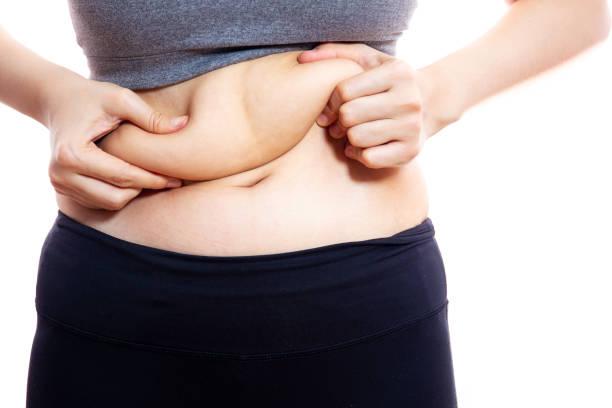
Liposuction is a popular cosmetic procedure designed to remove stubborn fat deposits and improve body contours. Although the treatment can deliver noticeable changes in body shape, swelling and bruising are common parts of the recovery process. These temporary effects occur as the body responds to the procedure and begins healing. Understanding how to manage them can make recovery more comfortable and help patients return to their normal routines gradually. If you are considering Liposuction in Riyadh, knowing what to expect after treatment is an important step towards a smoother recovery.
Many patients researching the procedure also want to understand the cost of liposuction in saudi arabia, but it is equally important to learn about the recovery process and aftercare requirements. Swelling and bruising can vary depending on the treatment area, the amount of fat removed, individual healing responses, and adherence to post-operative instructions. Following appropriate aftercare recommendations can help support healing and improve the overall recovery experience.
Why Do Swelling and Bruising Occur After Liposuction?
Swelling and bruising are normal responses to the changes that occur beneath the skin during liposuction. The procedure involves removing fat through small incisions using specialised instruments. This process can temporarily affect surrounding tissues and small blood vessels, resulting in fluid accumulation and visible bruising.
Swelling may be more noticeable during the first few days after treatment and can gradually improve over the following weeks. Bruising may also change colour as the body naturally breaks down and absorbs the collected blood beneath the skin. However, every patient heals differently, and complete recovery can take several months.
Effective Ways to Reduce Swelling and Bruising After Liposuction
Wear Your Compression Garment as Recommended
A compression garment is an important part of liposuction recovery. It applies gentle, consistent pressure to the treated areas, helping control swelling and supporting the surrounding tissues as they heal. Patients should wear their compression garments according to the clinic's instructions.
Choosing the correct size is essential because excessive pressure can cause discomfort or interfere with circulation. Avoid adjusting or discontinuing the garment without professional guidance.
Stay Hydrated Throughout Recovery
Drinking enough water supports normal circulation and helps the body maintain its fluid balance. Proper hydration is beneficial during recovery and can help patients feel more comfortable as their bodies heal.
Water should be the primary source of hydration. Patients should also follow any specific dietary or fluid recommendations provided by their healthcare team.
Follow a Balanced and Nutritious Diet
A healthy diet can support the body's natural healing processes. Include foods rich in vitamins, minerals, protein, and antioxidants to provide essential nutrients during recovery.
Fresh fruits, vegetables, lean proteins, and whole grains are useful additions to a balanced diet. Avoid excessive salt intake because high sodium consumption may contribute to fluid retention and make swelling more noticeable.
Avoid Strenuous Physical Activities
Rest is important during the initial recovery period. Although gentle walking may be encouraged to support circulation and reduce the risk of blood clots, strenuous exercise, heavy lifting, and intense physical activities should be avoided until medically cleared.
Gradually returning to normal activities according to professional recommendations can help prevent unnecessary pressure on healing tissues.
Attend All Follow-Up Appointments
Follow-up appointments allow the healthcare team to assess healing, monitor swelling, and identify any potential complications. These visits are also an opportunity to discuss discomfort, bruising, or concerns about recovery.
Following personalised aftercare instructions is essential because recovery requirements may differ depending on the treatment area and individual circumstances.
What Should You Avoid During Liposuction Recovery?
Patients should avoid smoking and alcohol during the recommended recovery period because they can interfere with normal healing. Smoking can reduce oxygen delivery to tissues, while alcohol may contribute to dehydration and interact with prescribed medications.
Avoid applying heat, massaging treated areas, or using topical products without professional approval. Patients should also avoid comparing their recovery progress with others because healing timelines can vary considerably.
When Should You Contact Your Healthcare Provider?
Although mild swelling and bruising are expected after liposuction, certain symptoms require medical attention. Increasing pain, spreading redness, fever, unusual discharge, sudden one-sided swelling, or significant changes in skin temperature should be assessed promptly.
Chest pain, difficulty breathing, fainting, or sudden severe symptoms require emergency medical care. Patients should never ignore unusual changes during recovery.
Frequently Asked Questions
How long does swelling last after liposuction?
Swelling is usually more noticeable during the first few days and gradually decreases over several weeks. Some residual swelling may take several months to disappear completely, depending on individual healing.
Is bruising normal after liposuction?
Yes, bruising is a common temporary effect. It develops when small blood vessels are affected during the procedure and usually fades gradually as the body heals.
Does wearing a compression garment help reduce swelling?
Yes, compression garments provide gentle pressure that can help manage swelling and support treated tissues. They should be worn according to the recommended schedule.
Can I walk after liposuction?
Gentle walking is generally encouraged soon after the procedure, depending on individual circumstances and medical advice. However, strenuous exercise should be avoided until the healthcare provider gives approval.
When can I return to my normal routine after liposuction?
Recovery time varies depending on the treatment area, the extent of the procedure, and individual healing. Many patients gradually resume everyday activities within a few days, while more demanding activities may require additional recovery time.
Book Your Liposuction Consultation at Enfield Royal Clinic
Managing swelling and bruising properly is an important part of achieving a comfortable recovery after liposuction. At Enfield Royal Clinic, patients can receive guidance about treatment options, recovery expectations, and personalised aftercare recommendations. Schedule a consultation to discuss your body contouring goals and learn more about the liposuction process.

 English
 Arabic
 French
 Spanish
 Portuguese
 Deutsch
 Turkish
 Italiano
 Russian
 Romaian
 Portuguese (Brazil)
 Greek