

What Is Liposuction and How Does It Work?
Liposuction is one of the most popular cosmetic procedures for people who want to improve their body shape by removing stubborn fat deposits. Even with regular exercise and a balanced diet, certain areas of the body may retain unwanted fat that affects natural body proportions. For individuals looking to refine their appearance, Liposuction in Riyadh offers a body-contouring option that focuses on targeting these resistant fat pockets. The procedure is designed to create a more defined silhouette rather than achieve significant weight loss, making it an option for people who are already close to their desired body weight.
Understanding the procedure, its benefits, and recovery process can help individuals make informed decisions about their aesthetic goals. Liposuction in Riyadh involves using specialized surgical instruments to loosen and remove excess fat cells from selected areas of the body. A qualified surgeon carefully evaluates the patient's body structure, skin elasticity, medical history, and expectations before recommending treatment. Since every individual has different concerns, the approach is customized to achieve balanced and natural-looking body contours.
What Is Liposuction?
Liposuction is a cosmetic surgical procedure that removes localized fat deposits beneath the skin. It is commonly performed on areas such as the abdomen, waist, thighs, hips, arms, back, chin, and neck. These areas may develop stubborn fat pockets that remain noticeable despite maintaining healthy habits.
The primary purpose of liposuction is to improve body proportions and create smoother contours. Unlike general weight-loss treatments, it focuses on specific areas rather than reducing overall body weight. It is particularly suitable for individuals who have maintained a relatively stable weight but want to address persistent fat deposits.
How Does Liposuction Work?
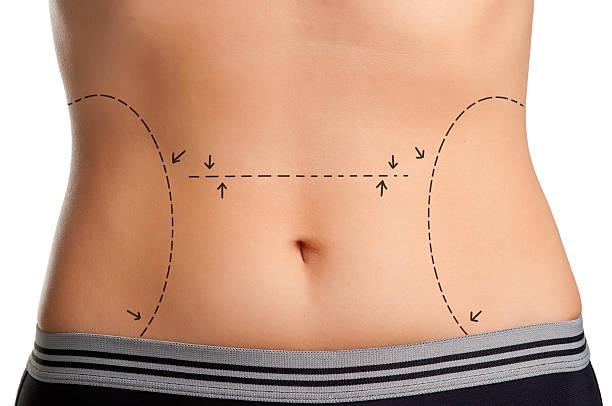
Liposuction works by breaking up and removing unwanted fat cells through a thin medical instrument called a cannula. The surgeon makes small incisions in the selected treatment area and carefully inserts the cannula beneath the skin. Controlled suction is then used to remove excess fat while maintaining the natural shape of the surrounding tissues.
Initial Consultation and Body Assessment
The procedure begins with a detailed consultation. During this appointment, the surgeon examines the targeted areas, reviews medical history, and discusses the patient's expectations. Skin elasticity, fat distribution, and general health are important factors in determining whether liposuction is appropriate.
Anesthesia and Preparation
Depending on the treatment area and surgical plan, local anesthesia with sedation or general anesthesia may be used. The surgeon marks the areas requiring treatment and prepares the skin before making small incisions.
Breaking Down and Removing Fat
A cannula is inserted through the incisions to loosen and remove unwanted fat. The surgeon carefully moves the instrument beneath the skin to create balanced contours. The amount of fat removed depends on individual needs and medical safety considerations.
Closing the Incisions
Once the desired contour has been achieved, the cannula is removed and the incisions are closed or managed according to the surgical technique. Compression garments may be recommended to support the treated areas and help manage postoperative swelling.
Which Body Areas Can Liposuction Treat?
Liposuction can target several areas where stubborn fat commonly accumulates. The treatment plan depends on individual body proportions and the areas a patient wants to improve.
Abdomen and Waist
Abdominal liposuction removes localized fat around the stomach and waistline. It may help create a flatter-looking midsection and improve the definition of the natural waist.
Thighs and Hips
Fat deposits around the inner thighs, outer thighs, and hips can affect lower-body proportions. Liposuction may help refine these areas and create smoother body contours.
Arms and Back
Excess fat around the upper arms and back can sometimes remain despite regular physical activity. Removing selected fat deposits may improve the overall appearance and definition of these areas.
Chin and Neck
Liposuction can also treat excess fat beneath the chin and around the neck. This may help create a more defined jawline and a balanced facial profile.
What Are the Different Types of Liposuction?
Different liposuction techniques are available, and the appropriate method depends on the patient's anatomy, treatment goals, and the surgeon's recommendation.
Traditional Liposuction
Traditional liposuction uses a cannula connected to a suction device to remove unwanted fat. It is a widely used technique for treating various body areas.
Tumescent Liposuction
This technique involves injecting a special fluid into the treatment area before fat removal. The solution helps reduce bleeding and makes the fat-removal process easier.
Ultrasound-Assisted Liposuction
Ultrasound-assisted liposuction uses sound-wave energy to help break down fat cells before they are removed through suction. It may be suitable for selected treatment areas.
Laser-Assisted Liposuction
Laser-assisted liposuction uses laser energy to help disrupt fat cells before removal. The surgeon determines whether this technique is appropriate based on individual requirements.
Who Is an Ideal Candidate for Liposuction?
An ideal candidate is generally someone in good overall health who has stubborn localized fat deposits and realistic expectations. Individuals who maintain a stable body weight and have relatively good skin elasticity may be suitable for the procedure.
However, liposuction is not designed to treat obesity or replace healthy lifestyle habits. People with significant loose skin, certain medical conditions, or unrealistic expectations may need alternative treatments or additional medical evaluation. A consultation with a qualified plastic surgeon helps determine the safest and most appropriate approach.
What Is the Recovery Process After Liposuction?
Recovery varies depending on the number of treated areas, the amount of fat removed, and the surgical technique. Swelling, bruising, tenderness, and temporary discomfort are common during the initial healing period. These effects gradually improve as the body recovers.
Patients may need to wear compression garments to support the treated areas and manage swelling. Light walking is often encouraged, while strenuous exercise and heavy lifting should be avoided until the surgeon confirms they are safe. Following postoperative instructions and attending scheduled follow-up appointments are important for proper healing.
What Results Can You Expect From Liposuction?
Liposuction can improve body contours by permanently removing selected fat cells from treated areas. However, the final appearance does not become visible immediately because swelling and fluid retention may temporarily affect the results.
As the body heals, the treated areas gradually become more defined. Maintaining a stable weight is essential because remaining fat cells can enlarge with significant weight gain. A balanced diet, regular exercise, and healthy daily habits can help preserve the results over time.
What Are the Possible Risks and Complications of Liposuction?
Although liposuction is commonly performed, it is still a surgical procedure and carries potential risks. Possible complications include bruising, swelling, infection, bleeding, fluid accumulation, uneven contours, changes in skin sensation, and irregular skin appearance. Rare but serious complications can also occur. Choosing a qualified surgeon, undergoing proper medical assessment, and following recovery instructions can help reduce avoidable risks.
Book Your Liposuction Consultation at Royal Clinic Saudia
If you are considering improving your body contours, a professional consultation can help you understand whether liposuction is suitable for your needs. Book an appointment at Royal Clinic Saudia to discuss your aesthetic concerns, explore available treatment approaches, and receive personalized guidance based on your body shape and goals.
FAQs:
What is the main purpose of liposuction?
The main purpose of liposuction is to remove stubborn fat deposits from specific body areas and improve overall body contours. It is not intended as a general weight-loss treatment.
Is liposuction a permanent fat-removal procedure?
Yes, liposuction permanently removes fat cells from treated areas. However, remaining fat cells can expand if you gain weight after the procedure, which may affect your results.
How long does it take to recover after liposuction?
Recovery depends on the extent of the procedure and individual healing. Many patients gradually return to normal activities within a few weeks, while swelling and final contour development may take several months.
Can liposuction remove loose skin?
Liposuction primarily removes excess fat rather than significant loose skin. Individuals with poor skin elasticity may require additional procedures to address sagging skin and achieve their desired contours.

 English
 Arabic
 French
 Spanish
 Portuguese
 Deutsch
 Turkish
 Italiano
 Russian
 Romaian
 Portuguese (Brazil)
 Greek