


Can a Samsung 25W Charger Handle Daily Charging Without Increasing Standby Power Consumption?
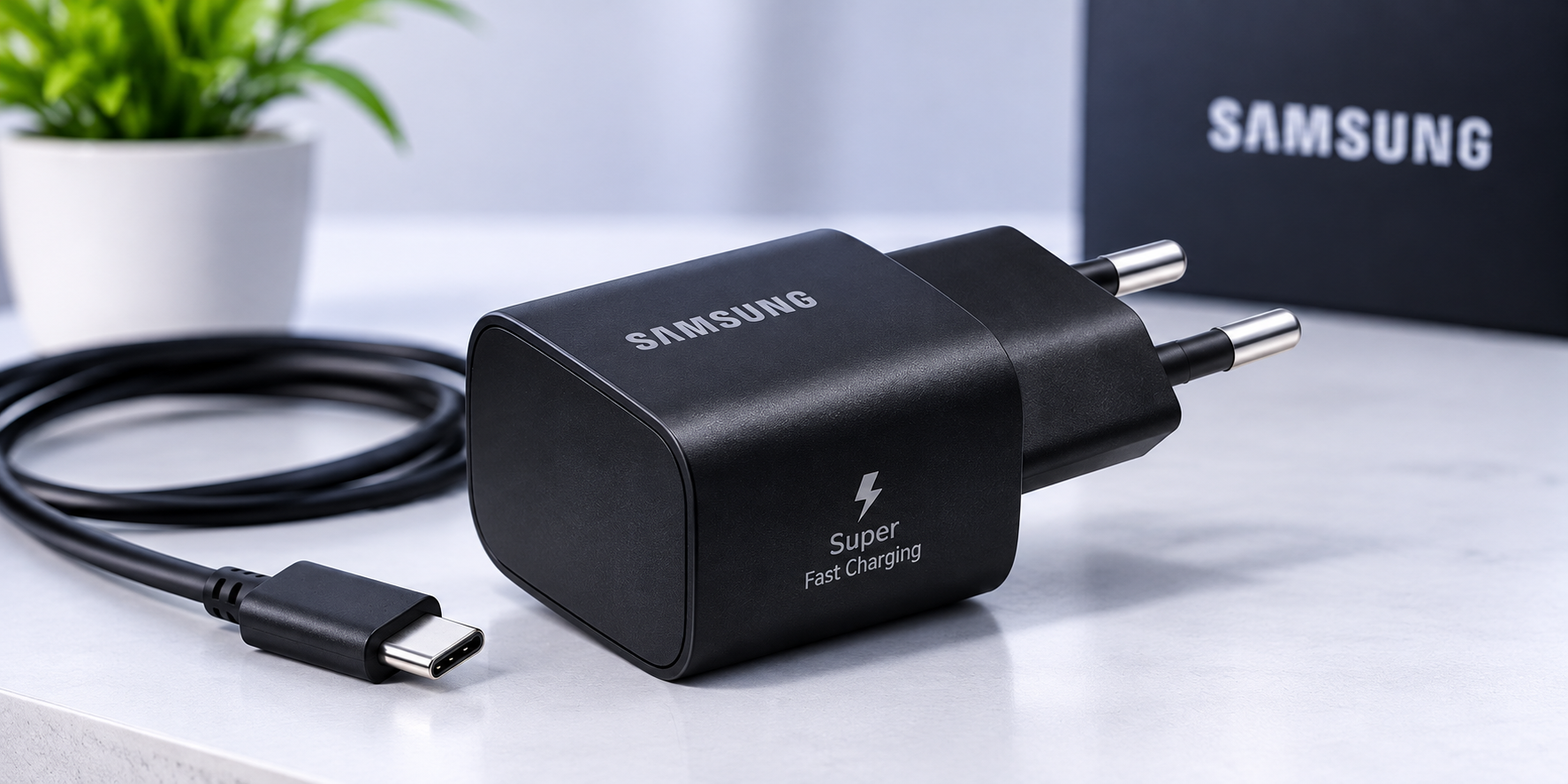
Many people leave a charger in the wall all day. It sits there, silent, while the phone is elsewhere. That habit raises a fair question. Does an idle adapter waste electricity? And does a fast charger waste more than a slow one? I have measured chargers with a plug-in watt meter at home. The results surprised me. Most modern adapters draw almost nothing when nothing is connected. The bigger costs lie elsewhere. They hide in heat, old cables, and overnight habits. This guide explains standby power in plain language. It gives real numbers, simple tests, and daily habits that save energy without hassle. Read it before you unplug everything in your house out of worry.
What Standby Power Really Means
Standby power is the electricity a device uses while it does no useful work. For a charger, that means being plugged in with nothing attached. Engineers call it no-load power. Inside the adapter, a small circuit stays awake to watch for a connected device. That circuit needs a tiny trickle of energy. Regional efficiency rules limit how much it can use. In many markets, adapters of this size must stay near or below 0.1 watt at no load. Rules differ by region, so check your adapter's label. Older and uncertified chargers often miss these standards. The design of the adapter matters more than its wattage rating. A well-made fast charger can idle as efficiently as a slow one.
A genuine 25W Samsung charger follows those efficiency rules, so idle draw stays very low. Do the math. At 0.1 watt, a charger left plugged in all year uses under one kilowatt-hour. That costs well under a dollar in most places. Fast charging ability does not change that number. The adapter only ramps up when a phone asks for power. PPS, the feature behind Super Fast Charging, works through a conversation between phone and charger. When no phone is attached, the adapter simply waits. So you can leave it plugged in without much guilt. The real savings come from other choices. Heat, cheap clones, and poor cables waste far more energy. Focus there first. Verify claims with a plug-in meter if you want proof.
Measuring the Real Numbers
Idle Draw at Home
A cheap plug-in watt meter answers the question fast. Plug the meter into the wall. Plug the charger into the meter, with no phone attached. Wait a minute for the reading to settle. Many meters show 0.0 or 0.1 watts for good adapters. Some budget meters cannot read below 0.2 watts, so treat very low numbers carefully. Repeat the test with an old, unbranded charger. You may see higher readings, sometimes several times higher. That gap explains why brand and certification matter. Write down each result in a simple list. If any adapter idles above 0.5 watts, replace it. The same goes for any unit that feels warm with nothing attached. Warmth at idle often signals poor design or a fault.
Energy Used While Charging
Charging itself costs more than standby, yet the sums stay small. A typical phone battery holds roughly 15 to 20 watt-hours. A full daily charge, with conversion losses, uses about 20 to 25 watt-hours. Over a year, that comes to roughly 7 to 9 kilowatt-hours. At common electricity rates, the yearly cost often stays under a few dollars. Fast charging adds slightly more heat loss, but the difference is small. The phone also slows near full charge, so peak power lasts only a short time. Battery size, age, and temperature change the numbers. If your electricity bill worries you, other appliances deserve attention first. Space heaters, old fridges, and always-on consoles use far more. Your phone charger is rarely the problem.
Habits That Keep Consumption Low
Small habits matter more than the adapter itself. Charge in a cool, ventilated spot, since heat wastes energy and ages the battery. Remove thick cases during long fast-charging sessions if the phone runs hot. Turn on the Protect battery option in Samsung's battery settings. It stops charging near 85 percent. That limits time spent at full charge and trims overnight trickle charging. Unplug the phone once it finishes, when convenient. Use a switched power strip for a desk full of chargers. Turn it off at night or while you travel. Avoid covering the adapter with fabric or pillows. Replace frayed cables, because damaged ones waste power and risk fire. Do not buy extra chargers for every room. Own fewer, better adapters and use them well.
Choosing a Safe, Efficient Charger
Buy from Samsung or trusted accessory brands. Look for safety marks such as CE, UL, or regional equivalents on the label. Check that the adapter lists USB PD with PPS if you want full Samsung fast-charging speed. Counterfeit chargers often skip safety parts and waste more power at idle. Judge the build in your hand. Very light, flimsy units often cut corners. Read reviews that mention heat and coil whine. Pair the adapter with a good USB-C cable rated for at least 3 amps. Short cables lose less energy than long ones. Keep your receipt, since it helps with warranty claims. Replace any adapter that buzzes, smells hot, or shows burn marks. Safety always outranks savings, and a cheap clone can cost far more later.
Myths That Cause Needless Worry
Several myths cause needless worry. The first says a plugged-in charger drains the wall constantly. Modern certified adapters draw almost nothing at idle. The second says fast chargers destroy batteries. Heat and bad habits do the damage, not speed alone. Samsung phones control how much power they accept. The third says overnight charging always ruins batteries. Phones stop at full charge, and protection settings reduce stress further. The fourth says higher wattage means higher bills. The phone only draws what it needs. A stronger adapter does not push extra power into it. The fifth says unplugging at the wall every time is essential. It helps slightly, but convenience matters. Pick practical habits you can keep. Consistent small steps beat extreme rules you abandon after a week.
Frequently Asked Questions
Does a fast charger use more power when idle than a slow one?
Not necessarily. Design and certification matter more than the wattage rating.
How can I check idle draw at home?
Use a plug-in watt meter. Test the charger with nothing attached.
Is overnight charging safe with a certified adapter?
Yes. Enable Protect battery to cut time spent at full charge.
Should I unplug the adapter when I travel?
It is optional. The saving is tiny, but unplugging also guards against power surges.
Why does my charger feel warm with no phone attached?
Slight warmth can happen. Noticeable heat suggests a poor or faulty unit.
Final Thoughts
A good adapter idles with almost no draw and charges efficiently. Heat, cheap clones, and worn cables cost far more than standby power. Buy certified, measure if you doubt, and use battery protection. Simple habits keep your phone healthy and your bill low.
 Greek
 English
 Arabic
 French
 Spanish
 Portuguese
 Deutsch
 Turkish
 Dutch
 Italiano
 Russian
 Romaian
 Portuguese (Brazil)