


Corporate Event Venues: How to Choose a Space That Works for Your Business Event
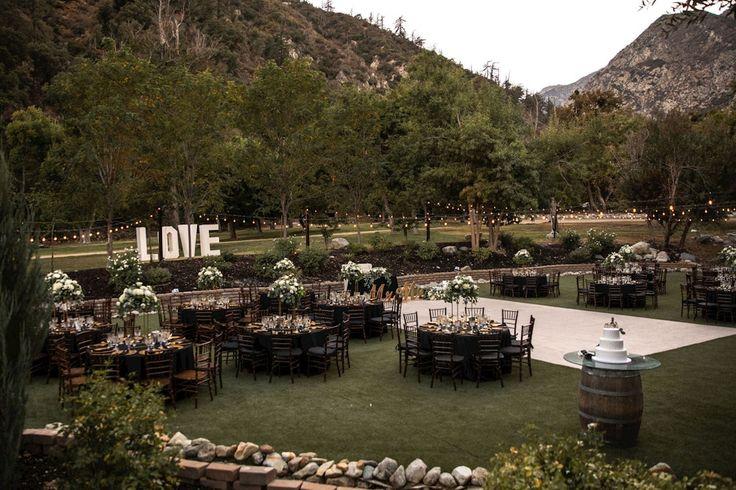
A corporate event is more than a date on a calendar. It can introduce a new product, bring distributed teams together, recognize employee achievements, host important clients, or create opportunities for professional networking. Because the setting influences how people interact and how the event is remembered, selecting the right venue deserves more attention than simply finding an attractive room.
The right Corporate Event Venues should support the purpose of the gathering while making things comfortable for attendees and manageable for the organizing team. A beautiful location is useful, but it needs to work equally well from a practical and business perspective.
Start With the Purpose, Not the Venue
One of the easiest ways to make venue selection complicated is to start browsing locations before defining what the event needs to accomplish.
A leadership meeting may require privacy and quiet surroundings. A company celebration might benefit from an energetic environment with space for entertainment. A training session needs appropriate seating, presentation equipment, and reliable connectivity.
Begin by identifying the primary objective of the event. Once that is clear, you can create a venue checklist based on actual requirements rather than choosing a location because it looks impressive online.
Match the Space to the Event Format
Corporate gatherings can take many forms, and each one places different demands on a venue.
A conference may need a stage, presentation screens, microphones, and theater-style seating. A networking event may work better with open areas where attendees can move freely between conversations. Workshops often require tables that can be rearranged into smaller groups.
Consider the movement of people throughout the event. If attendees will repeatedly switch between presentations, meals, breakout sessions, and networking areas, the venue should make those transitions simple.
A layout that looks spacious when empty may become difficult to navigate once tables, equipment, catering stations, and guests are added.
Think About Your Attendees
Your audience should influence almost every venue decision.
If executives or clients are attending, the location may need a polished atmosphere and convenient transportation. If employees are traveling from multiple areas, accessibility and parking could become major considerations.
Also think about accessibility requirements. Entrances, elevators, restrooms, seating arrangements, and pathways should be suitable for attendees with different mobility needs.
Guest comfort is not merely a courtesy. People who are comfortable and able to move around easily are more likely to engage with the event.
See more: corporate events venue
Location Can Influence Attendance
Even an excellent event can struggle if reaching the venue is inconvenient.
Review the location in relation to major roads, public transportation, airports, hotels, and parking facilities. For events involving visitors from outside the area, accommodation nearby can make planning considerably easier.
You should also consider the time of day. A venue that is convenient during weekends may be difficult to reach during weekday commuting hours.
Instead of asking only, “Is this venue in a good area?” ask, “How easily can our attendees get here at the time of the event?”
Technology Is Now Part of the Venue
Modern corporate events frequently depend on technology. Presentations, video conferences, digital registration systems, product demonstrations, livestreams, and interactive sessions can all require dependable infrastructure.
Before booking, confirm what the venue actually provides.
Ask about internet capacity, display systems, microphones, speakers, charging access, power outlets, lighting controls, and technical support. If you are bringing specialized equipment, find out whether the venue can accommodate it.
A weak internet connection or inadequate audiovisual setup can disrupt an otherwise carefully planned business event.
Consider Food as Part of the Experience
Catering can influence the atmosphere just as much as décor.
For a formal conference, plated meals may suit the schedule. For networking events, small plates or stations can encourage movement and conversation. A long workshop may require refreshments throughout the day rather than a single meal.
Discuss dietary requirements before finalizing the menu. Vegetarian, vegan, halal, allergy-sensitive, and other dietary needs may be relevant depending on the audience.
Also ask how food will be served and where dining will take place. Catering should fit naturally into the event schedule rather than interrupting it.
Look Beyond the Main Room
The primary event space is only one part of the venue.
Pay attention to registration areas, entrances, restrooms, storage, breakout rooms, service corridors, and spaces where speakers can prepare. These supporting areas can have a surprisingly large effect on how smoothly the event operates.
If guests must queue in a narrow hallway for registration or speakers have nowhere quiet to prepare, the event may feel disorganized even when the main room looks excellent.
Build the Right Atmosphere for Your Brand
A corporate venue does not have to feel sterile or overly formal.
The environment should reflect the identity and purpose of the organization. A technology company launching an innovative product may prefer a contemporary space. A professional networking dinner may call for a more refined environment. An employee appreciation event can benefit from a relaxed and social setting.
Think about how the venue's architecture, lighting, furniture, and surroundings interact with your company's image.
The goal is not to turn the venue into a giant advertisement. Instead, the environment should naturally complement the character of the event.
Ask About Flexibility
Corporate events rarely remain completely unchanged from the first planning meeting.
Guest numbers may increase. A speaker may require additional equipment. The schedule may shift. A particular activity may need extra space.
For that reason, venue flexibility is valuable.
Ask how far in advance final guest numbers are required, whether room layouts can be changed, how setup time is handled, and what happens if additional equipment or services become necessary.
Clear policies can save the organizing team from unexpected complications later.
Understand the Full Cost
The advertised venue price may not represent the final expense.
When comparing Corporate Event Venues, ask for a detailed breakdown of costs. Determine whether the quotation includes furniture, staffing, cleaning, security, audiovisual equipment, catering, service charges, taxes, setup, and breakdown.
A venue with a higher initial price may actually be more economical if it includes services that another location charges separately.
Comparing complete packages gives you a more realistic picture of the budget.
Visit Before Making the Final Decision
Photographs and virtual tours are useful, but they cannot always reveal how a venue feels in person.
During a site visit, walk through the event as if you were an attendee. Enter through the expected guest entrance, locate registration, inspect the restrooms, check the main room, and consider where catering and networking will happen.
Pay attention to sound, lighting, temperature, accessibility, parking, and general atmosphere.
If possible, visit at a similar time of day to when your event will take place. This can reveal traffic, natural lighting, and other conditions that photographs cannot show.
A Venue Should Make Your Job Easier
The best Corporate Event Venues do not simply provide four walls and furniture. They create an environment where the event's objectives can be achieved without unnecessary logistical obstacles.
Before signing an agreement, evaluate the location from three perspectives: business goals, attendee experience, and operational practicality.
If all three align, you are much more likely to have a successful event.
Final Thoughts
Choosing among Corporate Event Venues requires more than comparing attractive interiors or rental prices. The strongest choice is a venue that fits the event format, supports technology, accommodates attendees, complements the company's image, and allows organizers to manage the day efficiently.
Start with the purpose of the event, understand what attendees need, inspect the practical details, and calculate the complete cost. Most importantly, select a space that supports the experience you want people to have.
When the venue works quietly in the background, your speakers, guests, employees, and business objectives can take center stage.
Further information: click here

 English
 Arabic
 French
 Spanish
 Portuguese
 Deutsch
 Turkish
 Italiano
 Russian
 Romaian
 Portuguese (Brazil)
 Greek
