


Property Inspection: A Complete Guide for Home Buyers
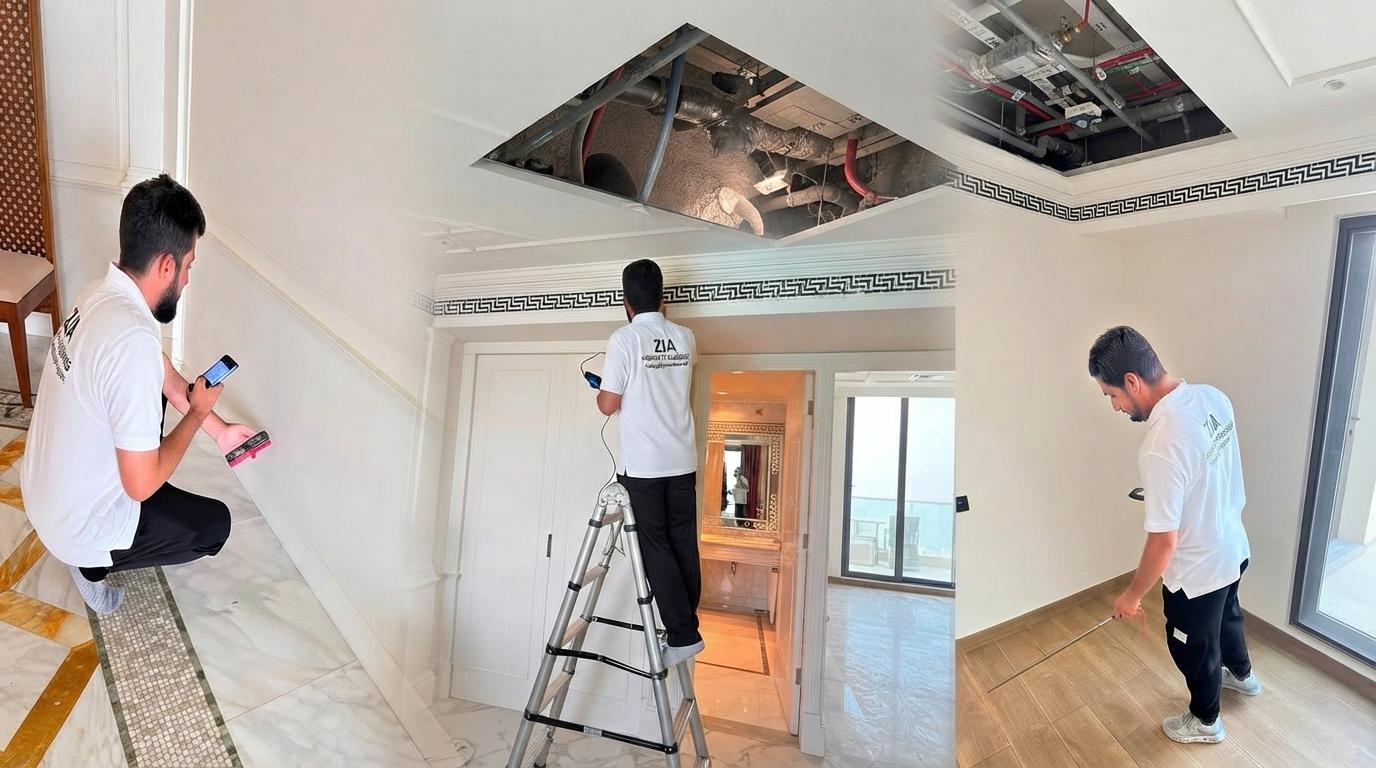
Property inspection is a detailed assessment of a residential or commercial property to understand its current condition. It is usually carried out before buying, selling, renting, or taking possession of a property. The main purpose is to identify visible defects, maintenance concerns, safety issues, and potential problems that may affect the property's value or usability.
A property can look perfect during a normal viewing, but many problems are not immediately noticeable. Issues may exist behind walls, around plumbing fixtures, in electrical systems, on roofs, or within air conditioning equipment. A professional inspection provides a more detailed understanding of the property's actual condition.
For buyers, property inspection is an important part of the decision-making process. It helps them understand whether the property meets their expectations and whether any repairs or maintenance should be considered before completing the purchase.
Why Is Property Inspection Important?
Buying a property is a major decision, and appearance alone cannot confirm that a building is in good condition. Property inspection helps reveal issues that may otherwise remain unnoticed.
One of the biggest advantages of an inspection is that it gives the buyer a clearer picture of the property. Instead of relying only on what can be seen during a property viewing, the buyer receives professional observations about different parts of the building.
An inspection can also help identify maintenance requirements. Small problems can sometimes become expensive if they are ignored for a long time. Finding these concerns early allows property owners or buyers to plan suitable repairs.
Property inspection can also provide peace of mind. When a professional checks important areas of the property, buyers can make decisions based on better information rather than appearance or assumptions.
What Does a Property Inspector Check?
A professional property inspection normally covers the major visible and accessible areas of a property. The exact inspection scope can vary depending on the property type, location, age, and inspection service.
Structural Condition
The inspector looks for visible signs that may indicate structural concerns. This can include cracks in walls, ceilings, floors, columns, beams, and other accessible structural elements.
Not every crack indicates a serious structural problem. However, unusual or significant cracking may require further assessment. A professional inspection helps identify areas that deserve attention.
Walls and Ceilings
Walls and ceilings are checked for visible defects such as cracks, stains, dampness, peeling finishes, poor workmanship, or signs of previous repairs.
Water stains can sometimes indicate leakage from plumbing, air conditioning systems, bathrooms, roofs, or other areas. Identifying the possible source is important because cosmetic repairs alone may not solve the underlying problem.
Flooring
Floor surfaces are inspected for damaged tiles, uneven areas, loose flooring, gaps, poor installation, and other visible defects.
Inspectors may also look for signs that moisture has affected flooring materials. Such issues can become more noticeable after the property is occupied.
Doors and Windows
Doors and windows are important for security, ventilation, insulation, and comfort. During an inspection, their visible condition and operation may be assessed.
The inspector may identify problems such as damaged frames, poor alignment, difficult operation, broken hardware, gaps, or sealing concerns.
Plumbing System
Plumbing inspection focuses on accessible fixtures, visible pipes, drainage points, water pressure observations, leaks, and other noticeable conditions.
Bathrooms, kitchens, utility areas, and other plumbing locations are commonly reviewed. Leaking taps, blocked drains, damaged fittings, or moisture around plumbing fixtures can indicate maintenance requirements.
Electrical System
Electrical components are checked to the extent that they are safely accessible and within the inspection scope.
The inspection may identify visible concerns involving sockets, switches, distribution boards, wiring, lighting fixtures, or other accessible electrical components. Electrical safety is especially important because certain defects can create significant risks.
Air Conditioning System
In properties where air conditioning is installed, accessible components and operational performance may be reviewed.
Inspectors may observe cooling performance, unusual sounds, drainage concerns, visible damage, or maintenance issues. Poor air conditioning performance can affect comfort and may also lead to higher maintenance costs.
Kitchen
The kitchen is inspected for visible defects in cabinets, countertops, sinks, plumbing fixtures, appliances where applicable, walls, flooring, and ventilation.
Cabinet doors and drawers may be checked for alignment and operation. Plumbing areas are also reviewed for signs of leakage or moisture.
Bathrooms
Bathrooms require careful inspection because they contain several systems in a relatively small space.
The inspection may cover visible plumbing fixtures, drainage, sanitary fittings, tiles, sealants, ventilation, ceilings, walls, and flooring. Water leakage and poor sealing are common concerns that should not be ignored.
Exterior Areas
Depending on the property, exterior areas may include balconies, terraces, walls, external doors, windows, parking areas, walkways, and other accessible components.
Inspectors may look for visible damage, cracks, water-related concerns, damaged finishes, drainage problems, or other maintenance issues.
Common Problems Found During Property Inspection
Property inspections can reveal many different types of defects. Some may be minor maintenance concerns, while others may require professional repair or further investigation.
Common findings can include water leakage, damaged tiles, cracks, poor sealant, blocked drainage, faulty fixtures, damaged doors, window problems, electrical concerns, air conditioning issues, moisture marks, and poor finishing.
New properties can also have defects. New construction does not automatically mean that everything is perfect. Construction and finishing issues can occur during development, installation, or handover.
This is why inspection is useful for both new and existing properties.
Property Inspection for Home Buyers
For home buyers, an inspection can be especially valuable before completing a purchase. It gives the buyer an opportunity to understand the property's condition before making a final decision.
If defects are discovered, the buyer may discuss appropriate solutions with the seller or developer. Depending on the circumstances, this may involve requesting repairs, asking for clarification, or considering the expected maintenance requirements.
An inspection report can also help buyers prioritize issues. Not every defect has the same importance. Some problems may be cosmetic, while others may affect safety, functionality, or long-term maintenance.
Property Inspection Before Handover
Property inspection is also important before taking possession of a newly built property.
During handover, buyers may notice finishing defects that were not obvious during earlier visits. A detailed inspection can identify issues involving doors, windows, flooring, walls, ceilings, plumbing, electrical fixtures, bathrooms, kitchens, and other areas.
A professional inspection allows these observations to be documented clearly so that the relevant party can review and address them.
Property Inspection Report
After an inspection, the professional may provide a property inspection report. The report generally describes the condition of inspected areas and identifies observed defects or concerns.
A useful report should be clear and easy to understand. It should help the property owner or buyer recognize what requires attention and which areas may need further professional evaluation.
The report can also be useful for future maintenance planning. Keeping inspection documentation provides a reference for understanding the property's condition at the time of inspection.
Professional Property Inspection vs Personal Inspection
A personal property walkthrough is useful, but it is not the same as a professional inspection.
A buyer may notice obvious problems such as damaged paint, broken tiles, or a leaking tap. However, professional inspectors have experience examining properties systematically and identifying conditions that an ordinary viewer may overlook.
A professional inspection also provides a structured assessment rather than relying only on personal observations.
For this reason, buyers should consider professional inspection when they want a more detailed understanding of a property's condition.
When Should You Get a Property Inspection?
The best time for a property inspection depends on the purpose of the inspection.
Buyers commonly arrange an inspection before completing a property purchase. New property owners may arrange an inspection before accepting handover. Property owners may also request inspections when preparing a property for sale or when investigating maintenance concerns.
An inspection can be useful whenever you need an independent understanding of the property's visible condition.
How to Prepare for a Property Inspection
Property owners can make the inspection process easier by providing reasonable access to relevant areas.
Important rooms and accessible spaces should be available for inspection. Utilities should be operational where appropriate and safe to test. Previous maintenance information can also be helpful if it is available.
The inspector should have sufficient time to examine the property carefully rather than rushing through the process.
What Happens After a Property Inspection?
After the inspection, the findings should be reviewed carefully. The most important step is understanding which defects require immediate attention and which can be handled as routine maintenance.
Some findings may require specialists. For example, an electrical concern may require an electrician, while a structural concern may require assessment by an appropriate building professional.
Property inspection is primarily an assessment process. It helps identify visible conditions and potential concerns, but specialized testing may be necessary when an issue requires deeper investigation.
Benefits of Property Inspection
Property inspection offers several practical benefits for buyers and property owners.
It can help identify hidden or overlooked defects, improve decision-making, support maintenance planning, provide documentation of property condition, and reduce the possibility of unexpected repair requirements.
For buyers, one of the most important benefits is knowledge. Understanding the property's condition before making a major commitment can make the buying process more informed and transparent.
How to Choose a Property Inspection Service
When selecting a property inspection service, consider the inspector's experience, inspection scope, reporting process, and professionalism.
A good inspector should explain what will be checked and what may fall outside the inspection scope. Communication is also important because buyers should be able to understand the findings and ask questions about significant observations.
The goal should not simply be to receive a report. The goal is to gain a clear understanding of the property's condition.
FAQs About Property Inspection
What is the main purpose of property inspection?
The main purpose of property inspection is to assess the visible and accessible condition of a property and identify defects, maintenance concerns, and potential issues that may require attention.
Is property inspection only for old properties?
No. Property inspection can be useful for both new and existing properties. New properties can have construction, finishing, installation, or handover defects.
Can property inspection find hidden problems?
An inspection can identify signs of potential hidden problems, but not every concealed issue can be confirmed through a standard visual inspection. Some concerns may require specialized testing or further investigation.
Is property inspection important before buying a home?
Yes. It can help buyers understand the property's condition before completing a purchase and can reveal issues that may not be obvious during a normal viewing.
What areas are usually checked during property inspection?
Common areas include structural elements, walls, ceilings, floors, doors, windows, plumbing, electrical components, air conditioning, kitchens, bathrooms, and accessible exterior areas.
Does a property inspection guarantee that there are no problems?
No. An inspection provides an assessment based on the accessible areas and agreed inspection scope. It cannot guarantee that every possible defect or concealed issue will be discovered.
What should I do if an inspection finds serious defects?
Serious findings should be reviewed carefully, and appropriate specialists may be required for further assessment. Buyers can also discuss suitable solutions with the seller, developer, or relevant property representative.
Is a property inspection useful after buying a property?
Yes. It can help new owners understand maintenance requirements and identify issues that should be addressed to protect the property's condition.
Conclusion
Property inspection is an important part of making an informed property decision. Whether you are buying a home, accepting a newly constructed property, selling a property, or planning maintenance, a professional inspection can provide valuable information about the condition of the building.

 Arabic
 French
 Spanish
 Portuguese
 Deutsch
 Turkish
 Dutch
 Italiano
 Russian
 Romaian
 Portuguese (Brazil)
 Greek
