


What to Do When Your Washing Machine Hoses Burst and Flood Your Floor
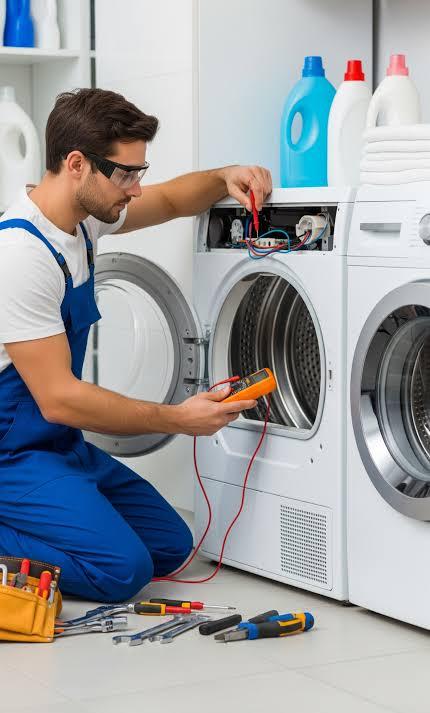
A washing machine can release a surprising amount of water in only a few minutes when a hose fails. A burst hose can quickly soak floors, damage cabinets, and create the conditions for costly water damage. When a laundry room leak happens unexpectedly, knowing what to do first can make a major difference. Bartley Appliance Repair provides professional assistance for homeowners dealing with appliance-related water problems and can help identify the cause once the immediate flooding has been controlled.
Why Washing Machine Hoses Burst
Washing machine hoses constantly handle pressurized water, so they are exposed to wear every time the appliance runs. Over time, aging rubber, corrosion, excessive pressure, or physical damage can cause a hose to weaken.
Common causes of a broken washer hose include:
• Age and deterioration of rubber
• Cracks caused by repeated flexing
• Corrosion around metal fittings
• Kinks or sharp bends in the hose
• Excessive water pressure
• Improper installation
• Hoses rubbing against the wall or appliance
• Damaged connections
A hose may look acceptable from the outside while becoming weak internally. That is why routine inspection is important, particularly for older washing machines.
What to Do Immediately When a Washer Hose Bursts
When water begins pouring from behind the washing machine, act quickly. The priority is stopping the water source and protecting people from electrical hazards.
1. Stop the Washing Machine
If the machine is currently running, stop the cycle if you can do so safely.
Do not reach through standing water to operate electrical controls or unplug the machine. If water has reached electrical outlets, cords, or other electrical equipment, keep away from the area and seek appropriate professional assistance.
2. Shut Off the Water Supply
Locate the hot and cold water supply valves behind or near the washing machine.
Turn them off if they can be reached safely without stepping into hazardous water. This emergency water shutoff can significantly reduce the amount of water released after a hose failure.
If the valves are inaccessible or cannot be operated safely, contact the appropriate emergency service or professional for assistance.
3. Protect Yourself From Electrical Hazards
Water and electricity are a dangerous combination.
Do not touch plugs, power strips, outlets, extension cords, or electrical appliances that are wet or surrounded by standing water.
If there is substantial flooding, leave the affected area and have the electrical system assessed as necessary before attempting to restore power.
4. Move Items Away From the Water
If it is safe to do so, move laundry baskets, cleaning products, boxes, rugs, and other belongings away from the flooded area.
Do not risk injury simply to save household items. Your safety should come first.
5. Remove Standing Water
Once the water source has been stopped and the area is confirmed safe, begin removing standing water.
Mops, towels, wet vacuums, or other suitable equipment may help with small amounts of water. Significant flooding may require professional water damage services.
The faster wet flooring and surrounding materials are dried, the lower the chance of prolonged moisture-related damage.
Inspect the Washing Machine Hose After the Flood
Once the immediate emergency is under control, identify where the water came from.
Check whether the failure occurred at:
• The hose itself
• The hose connection
• The washing machine inlet
• The wall-side water valve
• A damaged fitting
• Another component underneath or behind the appliance
A visible split in the hose may seem like an obvious explanation, but water can travel along the back or underside of a washer and make the actual source difficult to identify.
A professional Brooklyn laundry leak inspection can help determine whether the hose was the only problem or whether another appliance component contributed to the leak.
Should You Replace a Broken Washer Hose Yourself?
Replacing an external washing machine supply hose can be relatively straightforward for someone familiar with the process. However, homeowners should not assume that every water leak is caused by the hose.
Before replacing anything, make sure the water supply is completely shut off and inspect the connection points carefully.
If the hose connection is damaged, corroded, stuck, or leaking from the washing machine itself, professional service may be appropriate.
It is also important to avoid overtightening connections, which can damage fittings or create another leak.
Why Installing Steel Braided Hoses Can Help
One useful preventative measure is installing steel braided hoses designed for washing machines.
Steel braided hoses are constructed with an outer braided metal layer that provides additional resistance to certain forms of wear compared with basic rubber hoses.
However, no hose is completely failure-proof. Even reinforced hoses require proper installation and periodic inspection.
When installing steel braided hoses, make sure they are:
• Correctly sized
• Properly connected
• Free from sharp bends
• Not rubbing against the appliance or wall
• Inspected periodically for damage or corrosion
The hose should also have enough slack to accommodate normal washer movement without being stretched tightly.
Don't Ignore the Washer Itself
A flooded floor does not always mean the hose is the only problem.
Water can also come from a damaged water inlet valve, pump, drain hose, door seal, detergent drawer, internal hose, or other washer component.
If the appliance continues leaking after the external hose has been replaced, stop using it until the source has been identified.
This is particularly important when water appears underneath the machine rather than directly at a visible supply connection.
When Professional Washing Machine Flood Repair Is Needed
Professional washer repair Brooklyn service may be necessary when flooding involves more than a simple hose replacement.
Consider professional assistance when:
• The leak source is difficult to locate
• Water continues leaking after the supply is shut off
• The washer has internal water damage
• A connection or valve is damaged
• The machine stops operating after the flood
• Electrical components may have become wet
• The washer repeatedly develops leaks
• You are unsure whether the appliance is safe to use
A technician can inspect the appliance, identify damaged components, and determine whether repair is appropriate.
Common Washing Machine Leak Points
Understanding common leak locations can help homeowners recognize problems earlier.
Supply Hoses
The hot and cold supply hoses carry pressurized water into the appliance. A cracked hose or failed connection can release a large amount of water quickly.
Drain Hose
A loose, cracked, or improperly positioned drain hose can release wastewater during the drain cycle.
Water Inlet Valve
The inlet valve controls water entering the washing machine. A damaged valve or connection may cause water to leak even when the machine is not actively washing.
Drain Pump
The pump moves water out of the washer. A damaged pump or surrounding seal can produce water underneath the appliance.
Door or Lid Seal
Front-load washers use a door gasket to keep water contained. A damaged seal can allow water to escape during operation.
How to Prevent Future Washer Flooding
Prevention is much easier than dealing with a flooded laundry room.
Inspect Hoses Regularly
Look for bulges, cracks, rust, fraying, or signs of deterioration. Pay particular attention to the connection areas.
Replace Aging Hoses
Do not wait until an old hose bursts. If the hoses are showing significant wear or are approaching the replacement interval recommended by the manufacturer, replace them proactively.
Avoid Kinks
A hose bent sharply behind the washing machine can experience unnecessary stress. Position the appliance and hoses so water lines have a smooth path.
Don't Overload the Washer
Overloading can contribute to excessive vibration and movement. A machine that repeatedly shakes can put additional stress on hoses and connections.
Check for Washer Movement
If the appliance walks across the floor during spin cycles, investigate the cause. An unbalanced machine can place strain on surrounding connections.
Know Your Shutoff Valves
Before an emergency occurs, locate the washing machine's hot and cold water shutoff valves. Knowing where they are can save valuable time during a leak.
What If the Laundry Room Floods While You're Away?
A washing machine hose can fail even when nobody is home.
If you return to find standing water, do not immediately walk into the flooded area if electrical hazards may exist.
Instead, assess the situation from a safe location. If you can safely access the water supply shutoff without entering dangerous water, turn it off. Otherwise, seek professional or emergency assistance.
After the water source has been controlled, inspect flooring, walls, cabinets, and nearby materials for signs of water exposure.
Apartment Residents Have Additional Concerns
A washer flood in a Brooklyn apartment can affect more than one room. Water may travel beneath flooring or through walls and potentially affect neighboring units.
Renters should notify their landlord or property manager promptly after a significant appliance leak. Building management may need to coordinate water mitigation, electrical inspection, or repairs.
Apartment residents should also know where their appliance-specific water shutoff valves are located before an emergency occurs.
Frequently Asked Questions
How quickly can a washing machine hose flood a floor?
A failed pressurized supply hose can release water rapidly while the valve remains open. The amount depends on the plumbing system and failure location, which is why shutting off the water supply quickly is so important.
What should I do first when my washer hose bursts?
Stop the washing machine if it is safe to do so and shut off the washer's water supply. Avoid standing water near electrical equipment and prioritize personal safety.
Are steel braided washing machine hoses better?
Steel braided hoses can provide additional resistance to certain types of external wear compared with basic rubber hoses. They still require correct installation and periodic inspection.
How often should washing machine hoses be inspected?
Inspect them periodically for cracks, bulges, corrosion, kinks, or other visible damage. Follow the hose and washing machine manufacturer's replacement recommendations.
Can a washing machine leak without a broken hose?
Yes. Leaks can originate from valves, pumps, drain hoses, door seals, internal hoses, or other components.
Should I use my washer after a major leak?
It is best to determine the source of the leak before using the machine again. If electrical components may have become wet or the appliance has internal damage, professional evaluation may be necessary.
Who can diagnose a recurring washer leak?
A qualified appliance technician can inspect the washing machine and its water-related components to determine why the leak keeps occurring and identify the appropriate repair.

 Arabic
 French
 Spanish
 Portuguese
 Deutsch
 Turkish
 Dutch
 Italiano
 Russian
 Romaian
 Portuguese (Brazil)
 Greek
