


Denture Adjustments: When and Why Are They Needed
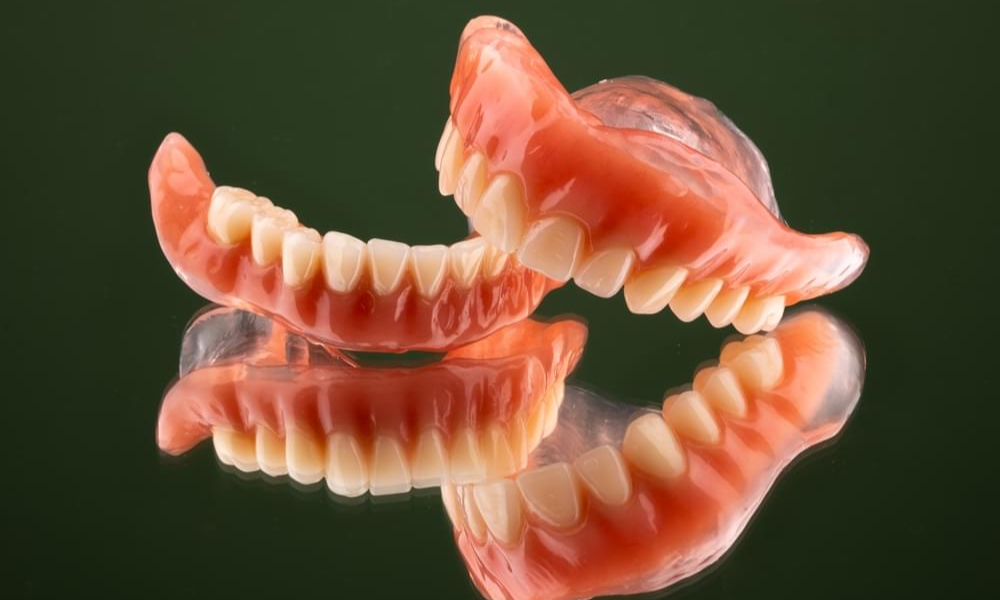
Dentures are designed to replace missing teeth and help restore everyday functions such as eating and speaking. However, even a well-made denture may need adjustments over time. Changes in the shape of your gums and jaw, normal wear, or simply getting used to a new denture can affect how comfortably it fits.
A denture adjustment involves making small changes to the appliance so that it fits more comfortably and functions properly. If your dentures feel loose, cause sore spots, click when you speak or make eating difficult, professional adjustment may help. Understanding when adjustments are needed can help prevent minor fitting problems from becoming ongoing sources of discomfort.
What Is a Denture Adjustment?
A denture adjustment is a professional modification made to an existing denture to improve its fit, comfort or function. Depending on the problem, an adjustment may involve smoothing an area that is pressing against the gums, altering the fitting surface or making changes to components such as clasps on a partial denture.
The purpose is not necessarily to remake the entire denture. Sometimes a relatively small modification can make a noticeable difference to how the appliance feels and performs. NHS guidance recognises denture adjustments as part of appropriate care, particularly where dentures are causing problems such as slipping, discomfort or difficulty eating and speaking.
Why Do New Dentures Sometimes Need Adjustments?
It is common for new dentures to require some adjustment after they have been fitted. Your mouth needs time to adapt to having a new appliance, and small areas of pressure may become noticeable only after you have worn the denture for a while.
Sore spots can develop where the denture presses against the gums or other soft tissues. NHS patient guidance explains that follow-up appointments are commonly used to identify and relieve areas causing soreness after new dentures are fitted.
Signs Your Dentures May Need Adjusting
One of the clearest signs is discomfort. If a particular area of your gums repeatedly becomes sore when wearing your dentures, the appliance may need to be professionally assessed. You should not assume that persistent pain is simply something you have to tolerate.
Other signs include dentures slipping while eating or speaking, clicking during conversation, difficulty chewing, or a feeling that the appliance no longer sits securely. The NHS specifically advises patients to see a dentist if dentures slip, no longer fit properly, cause pain, or are worn or damaged.
Dentures Becoming Loose Over Time
Dentures do not remain exactly the same fit forever because your mouth changes. The gums and underlying jawbone can gradually change shape after tooth loss, which may create space between the denture and the tissues supporting it.
As a result, a denture that once fitted securely may eventually begin to move when you eat or speak. Cambridge University Hospitals also explains that dentures can become loose as the gums and underlying bone change over time.
In some cases, a simple adjustment may help. In others, a reline, rebase or replacement may be more appropriate. A professional assessment can determine which option is most suitable.
Can Denture Adjustments Improve Comfort?
Comfort is one of the main reasons patients seek denture adjustments. A denture that creates excessive pressure in one area can cause irritation and make wearing it unpleasant. Adjusting the appliance can help remove or reduce the pressure point.
This can be particularly important with new dentures. It can take several weeks to become accustomed to wearing dentures, but persistent or significant discomfort should not simply be ignored. NHS guidance recommends seeking professional advice if dentures cause pain or other ongoing problems.
Denture Adjustments for Better Eating and Speaking
Dentures need to remain stable enough to support everyday activities such as eating and speaking. If the appliance moves excessively, you may find certain foods difficult to chew or notice that your speech has changed.
Small adjustments may sometimes improve how the denture sits and functions. However, the solution depends on the underlying cause. If changes to your mouth have significantly affected the fit, more extensive treatment such as relining or replacement may be needed rather than a simple adjustment.
What Is Denture Relining?
Denture relining is different from a minor adjustment. During relining, the fitting surface of the denture is modified or replaced so that it better corresponds with the current shape of the gums and supporting tissues.
Relining may be considered when a denture has become loose because the shape of the mouth has changed but the denture teeth and overall appliance remain suitable. NHS information recognises relining and rebasing as more extensive denture treatments compared with minimal adjustments.
A professional can determine whether your denture needs a small adjustment or whether relining would provide a more appropriate long-term solution.
How Often Do Dentures Need Adjustments?
There is no fixed schedule for denture adjustments because every patient's mouth and denture are different. New dentures may need adjustments during the initial period of wearing them, while older dentures may require attention as the mouth changes or the appliance becomes worn.
Regular dental or denture reviews can help identify problems with fit before they become more disruptive. The NHS advises people who wear dentures to continue having regular dental care and to seek professional help if their dentures become loose, uncomfortable, worn or damaged.
Can You Adjust Dentures Yourself?
It is not recommended to try modifying your dentures at home. Filing, cutting, heating or otherwise altering the appliance can permanently damage it and may make the fit worse.
Denture adhesives should also not be viewed as a replacement for professional assessment when dentures are poorly fitting. The American Dental Association notes that adhesives can provide additional retention in some situations but are not a solution for poorly fitting dentures that may require relining or replacement.
If your dentures are causing pain or repeatedly moving, professional assessment is a safer way to identify the actual cause.
Choosing a Denture Clinic
When your dentures need adjusting, choosing an experienced denture clinic can help ensure that the problem is properly assessed rather than simply treated temporarily. A professional can examine the appliance, consider how it fits your mouth and determine whether an adjustment, repair, reline or replacement is appropriate.
At H&A Denture Clinic, patients can receive advice about their individual denture needs. Whether you have recently received new dentures or have been wearing the same appliance for several years, addressing changes in comfort and fit can help you maintain better everyday function.
When Should You Have Your Dentures Checked?
You should consider professional advice if your dentures cause persistent soreness, become loose, click when you speak, make eating difficult or no longer feel as though they fit correctly. Damaged or significantly worn dentures should also be assessed rather than continued indefinitely.
For new dentures, follow-up appointments are particularly useful because small pressure areas can be identified and adjusted as you adapt to the appliance. NHS guidance from Leeds Teaching Hospitals explains that review appointments after fitting can be used to identify sore areas and make necessary adjustments.
Conclusion
Denture adjustments are a normal part of maintaining comfortable and functional dentures. New dentures may need minor modifications as you become accustomed to them, while older dentures can require attention because your gums, jawbone and oral tissues naturally change over time.
If your dentures are painful, loose, unstable or affecting your ability to eat and speak comfortably, professional assessment can help identify the cause. Depending on the condition of the appliance, a simple adjustment may be enough, while other situations may require relining, repair or replacement.
 Portuguese
 English
 Arabic
 French
 Spanish
 Deutsch
 Turkish
 Dutch
 Italiano
 Russian
 Romaian
 Portuguese (Brazil)
 Greek
