





Timeline
Friends
Photos
Videos
Blogs
Store
Community Businesses
Autonomous Communities
Community Events











 Arabic
 French
 Spanish
 Portuguese
 Deutsch
 Turkish
 Dutch
 Italiano
 Russian
 Romaian
 Portuguese (Brazil)
 Greek
Recent Updates
-
IRI JI FESTIVAL - NEW YAM FESTIVAL
Cultural Relevance
Among the Igbo people, yam is the king of crops, and its successful harvest is cause for celebration. The Iri Ji or New Yam Festival in Nsukka is a deeply symbolic event that honors the earth, the deities, and ancestors for a bountiful harvest.
This festival also represents the beginning of a new agricultural cycle, reinforcing the agrarian roots of the Nsukka people. It promotes gratitude, hospitality, and community sharing.
Rituals and Ceremonies
Blessing of the Yams: The oldest man or the traditional chief priest performs the first ritual of breaking and eating roasted yam, which signifies approval from the gods.
Sacrifices and Offerings: Goats, chickens, and drinks are offered to the gods and ancestors.
Public Feasting: Once the yams are ritually approved, families cook large meals and share them with neighbors and guests.
Attire and Performances
Traditional Outfits: Men wear isiagu tops and red caps; women adorn themselves with colorful wrappers, beads, and coral necklaces.
Music and Dance: Drummers, flutists, and traditional dancers entertain the crowd in open village squares.
Masquerades: Some communities also incorporate light-hearted masquerades to entertain children and visitors.IRI JI FESTIVAL - NEW YAM FESTIVAL Cultural Relevance Among the Igbo people, yam is the king of crops, and its successful harvest is cause for celebration. The Iri Ji or New Yam Festival in Nsukka is a deeply symbolic event that honors the earth, the deities, and ancestors for a bountiful harvest. This festival also represents the beginning of a new agricultural cycle, reinforcing the agrarian roots of the Nsukka people. It promotes gratitude, hospitality, and community sharing. Rituals and Ceremonies Blessing of the Yams: The oldest man or the traditional chief priest performs the first ritual of breaking and eating roasted yam, which signifies approval from the gods. Sacrifices and Offerings: Goats, chickens, and drinks are offered to the gods and ancestors. Public Feasting: Once the yams are ritually approved, families cook large meals and share them with neighbors and guests. Attire and Performances Traditional Outfits: Men wear isiagu tops and red caps; women adorn themselves with colorful wrappers, beads, and coral necklaces. Music and Dance: Drummers, flutists, and traditional dancers entertain the crowd in open village squares. Masquerades: Some communities also incorporate light-hearted masquerades to entertain children and visitors.0 Comments 0 Shares 1K Views 0 Reviews -
ODO FESTIVAL IN LEJJA AUTONOMOUS COMMUNITY:
Cultural Significance
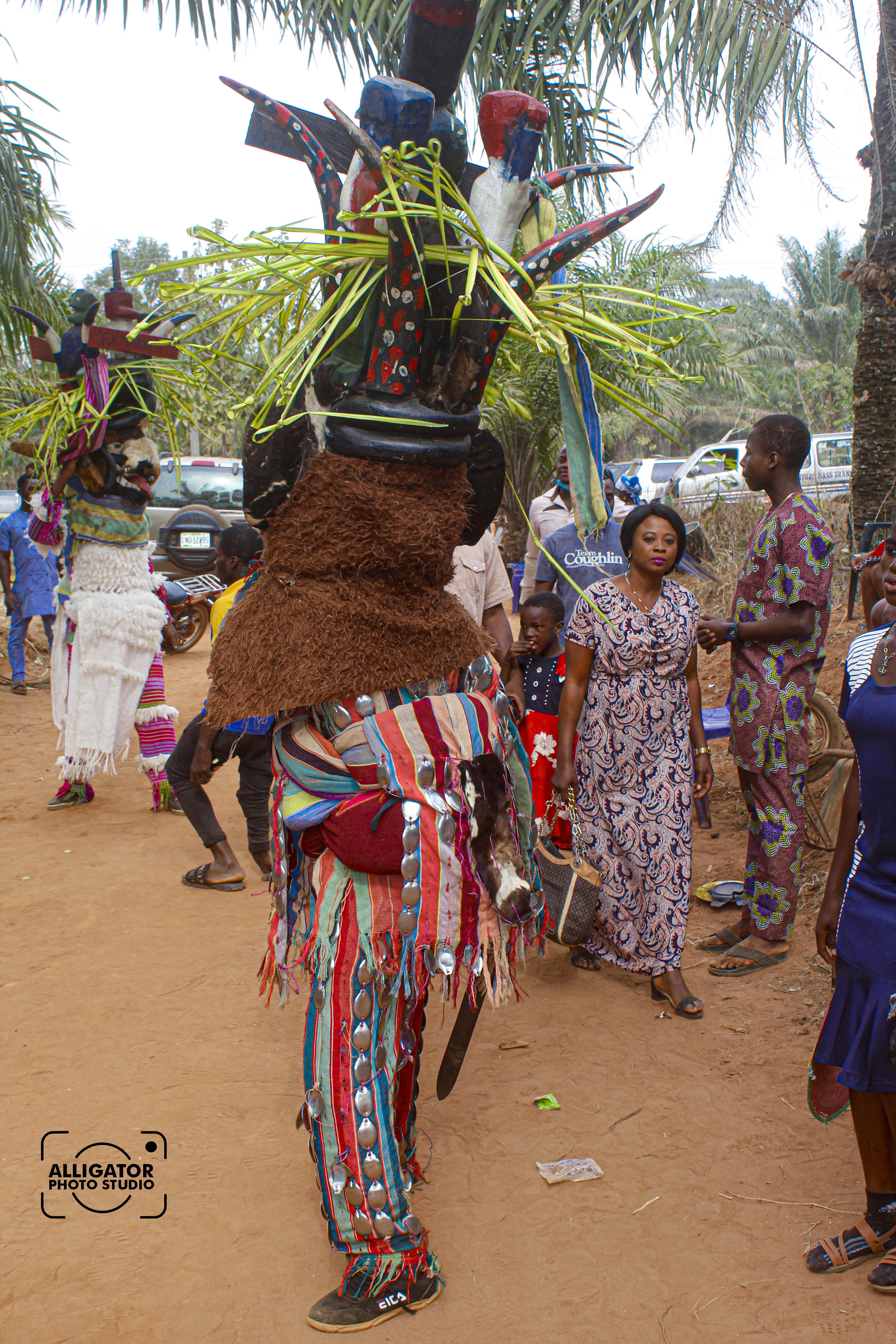
The Odo Festival is arguably the most iconic of all Nsukka festivals. Celebrated in communities such as Ede-Oballa, Obollo-Afor, Lejja, and Okpuje, this masquerade festival is held in honor of the ancestral spirits known as Odo. The Odo are believed to be ancestral beings who return from the spiritual realm to commune with the living.
This festival is not merely symbolic—it is a sacred ritual. It reinforces traditional beliefs, social norms, and moral conduct. The presence of the Odo serves as both a blessing and a reminder of ancestral surveillance.
Timing and Duration
The Odo Festival is biennial, occurring every two years, typically between February and April. It lasts for several weeks, involving multiple phases: the arrival of the Odo, their interactions with the community, and their eventual send-off back to the spiritual world.
Main Activities
Masquerade Processions: Odo masquerades, adorned in intricately designed costumes and wooden masks, move around villages, visiting homes and performing rituals.
Chants and Drumming: Traditional drummers accompany the Odo with sacred rhythms, while chanters invoke ancestral names and stories.
Community Cleansing: Villagers perform rituals to cleanse their homes and community spaces of evil or misfortune.
Community Impact
The Odo Festival strengthens intergenerational bonds as older members pass down history and rituals to the youth. It also draws attention from cultural tourists and researchers, offering economic and academic opportunities.ODO FESTIVAL IN LEJJA AUTONOMOUS COMMUNITY: Cultural Significance The Odo Festival is arguably the most iconic of all Nsukka festivals. Celebrated in communities such as Ede-Oballa, Obollo-Afor, Lejja, and Okpuje, this masquerade festival is held in honor of the ancestral spirits known as Odo. The Odo are believed to be ancestral beings who return from the spiritual realm to commune with the living. This festival is not merely symbolic—it is a sacred ritual. It reinforces traditional beliefs, social norms, and moral conduct. The presence of the Odo serves as both a blessing and a reminder of ancestral surveillance. Timing and Duration The Odo Festival is biennial, occurring every two years, typically between February and April. It lasts for several weeks, involving multiple phases: the arrival of the Odo, their interactions with the community, and their eventual send-off back to the spiritual world. Main Activities Masquerade Processions: Odo masquerades, adorned in intricately designed costumes and wooden masks, move around villages, visiting homes and performing rituals. Chants and Drumming: Traditional drummers accompany the Odo with sacred rhythms, while chanters invoke ancestral names and stories. Community Cleansing: Villagers perform rituals to cleanse their homes and community spaces of evil or misfortune. Community Impact The Odo Festival strengthens intergenerational bonds as older members pass down history and rituals to the youth. It also draws attention from cultural tourists and researchers, offering economic and academic opportunities.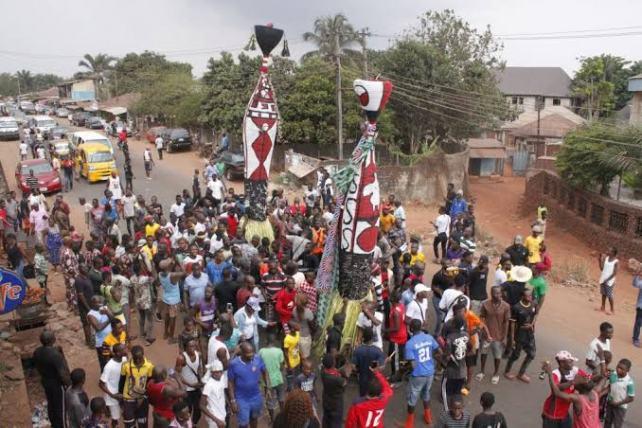 0 Comments 0 Shares 3K Views 0 Reviews
-
Historical and Cultural Heritage
Ancient Iron-Smelling Site
Ancient slag heaps, sacred shrines, and archaeological remains that make Lejja famous worldwide. The site continues to have cultural and spiritual significance for the community.Historical and Cultural Heritage Ancient Iron-Smelling Site Ancient slag heaps, sacred shrines, and archaeological remains that make Lejja famous worldwide. The site continues to have cultural and spiritual significance for the community.0 Comments 0 Shares 1K Views 0 Reviews -
Iri Ji - New Yam Festival in Lejja Autonomous Community
Cultural Relevance
Among the Igbo people, yam is the king of crops, and its successful harvest is cause for celebration. The Iri Ji or New Yam Festival in Nsukka is a deeply symbolic event that honors the earth, the deities, and ancestors for a bountiful harvest.
This festival also represents the beginning of a new agricultural cycle, reinforcing the agrarian roots of the Nsukka people. It promotes gratitude, hospitality, and community sharing.
Rituals and Ceremonies
Blessing of the Yams: The oldest man or the traditional chief priest performs the first ritual of breaking and eating roasted yam, which signifies approval from the gods.
Sacrifices and Offerings: Goats, chickens, and drinks are offered to the gods and ancestors.
Public Feasting: Once the yams are ritually approved, families cook large meals and share them with neighbors and guests.
Attire and Performances
Traditional Outfits: Men wear isiagu tops and red caps; women adorn themselves with colorful wrappers, beads, and coral necklaces.
Music and Dance: Drummers, flutists, and traditional dancers entertain the crowd in open village squares.
Masquerades: Some communities also incorporate light-hearted masquerades to entertain children and visitors.Iri Ji - New Yam Festival in Lejja Autonomous Community Cultural Relevance Among the Igbo people, yam is the king of crops, and its successful harvest is cause for celebration. The Iri Ji or New Yam Festival in Nsukka is a deeply symbolic event that honors the earth, the deities, and ancestors for a bountiful harvest. This festival also represents the beginning of a new agricultural cycle, reinforcing the agrarian roots of the Nsukka people. It promotes gratitude, hospitality, and community sharing. Rituals and Ceremonies Blessing of the Yams: The oldest man or the traditional chief priest performs the first ritual of breaking and eating roasted yam, which signifies approval from the gods. Sacrifices and Offerings: Goats, chickens, and drinks are offered to the gods and ancestors. Public Feasting: Once the yams are ritually approved, families cook large meals and share them with neighbors and guests. Attire and Performances Traditional Outfits: Men wear isiagu tops and red caps; women adorn themselves with colorful wrappers, beads, and coral necklaces. Music and Dance: Drummers, flutists, and traditional dancers entertain the crowd in open village squares. Masquerades: Some communities also incorporate light-hearted masquerades to entertain children and visitors.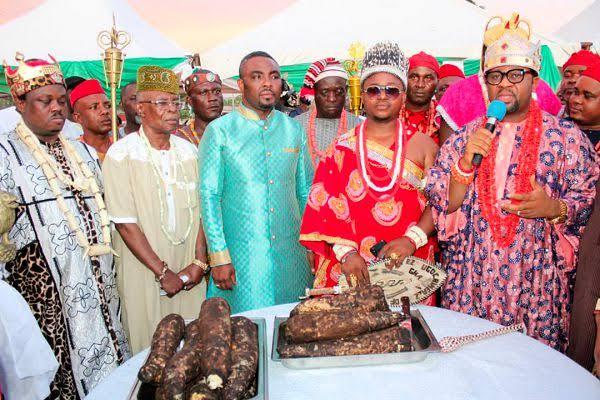 0 Comments 0 Shares 1K Views 0 Reviews
-

More Stories
