


What Is the Difference Between a Shipping Container and a Storage Container?
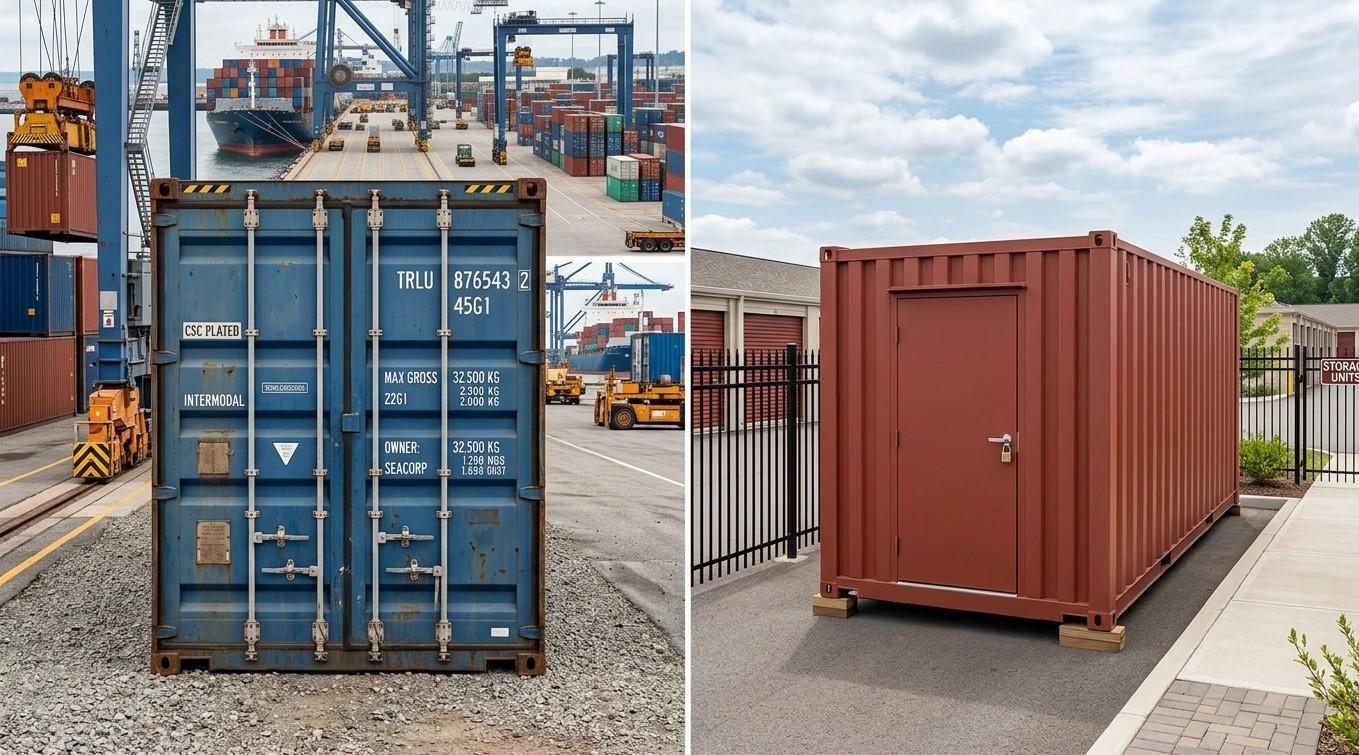
If you are looking for a secure and durable way to store equipment, inventory, tools, vehicles, or household belongings, you may come across the terms shipping container and storage container. While these terms are sometimes used interchangeably, there can be important differences depending on how the container was manufactured, graded, and intended to be used.
Understanding these differences can help you choose the right container for your property and avoid paying for features you do not need.
In this guide, we will explain the difference between shipping and storage containers, compare their features, and help you determine which option is right for your needs.
Table of Contents
- What Is a Shipping Container?
- What Is a Storage Container?
- Shipping Container vs. Storage Container
- Key Differences to Consider
- Which Container Is Best for Storage?
- Should You Buy a New or Used Container?
- How to Choose the Right Container
- Frequently Asked Questions
- Get Your Container From Conex Hub
What Is a Shipping Container?
A shipping container is a standardized steel container originally designed to transport cargo by ship, rail, and truck. Most are built using durable corten steel and are designed to protect cargo from weather and demanding transportation conditions.
Common shipping container sizes include 10ft, 20ft, and 40ft, with high-cube versions available for additional interior height.
Depending on its condition, a shipping container may be suitable for international transportation, secure on-site storage, modification projects, or other applications.
For example, Conex Hub offers new one-trip, cargo-worthy, wind-and-watertight, and other container conditions to meet different requirements.
What Is a Storage Container?
A storage container is generally a container used primarily for storing goods, equipment, materials, tools, or personal belongings at a fixed location.
The important point is that "storage container" describes the use, rather than necessarily a completely different type of container.
A standard shipping container can become a storage container simply by being placed on a property and used for storage.
For example, a used shipping container that is wind and watertight can provide a secure storage solution without needing to be used for transportation again. Conex Hub describes its used containers as a budget-friendly option for storage and projects.
Shipping Container vs. Storage Container: What's the Difference?
The biggest difference is usually purpose.
A shipping container is designed and constructed for transporting cargo. A storage container is generally being used for stationary storage.
| Feature | Shipping Container | Storage Container |
|---|---|---|
| Primary purpose | Cargo transportation | On-site storage |
| Construction | Heavy-duty steel | Often heavy-duty steel |
| Weather protection | Generally designed for cargo protection | Depends on condition |
| Mobility | Designed for transport | Usually placed permanently or semi-permanently |
| Common sizes | 10ft, 20ft, 40ft, high cube | Various sizes |
| Security | Steel construction and locking doors | Varies by container |
| Modification potential | High | High |
| International shipping | Depends on condition/grade | Usually not required |
It's also important to understand that not every container advertised for storage is necessarily certified for international shipping.
For example, Conex Hub identifies cargo-worthy (CW) containers as structurally sound and suitable for international shipping, while wind and water tight (WWT) containers are intended for secure storage where international shipping certification is not required.
Key Differences to Consider
1. Intended Use
If you need to transport cargo internationally, you will generally need a container that meets the appropriate shipping requirements.
If your only goal is to store items on your property, you may not need a cargo-worthy container.
For example, a business storing construction equipment at a job site may be better served by a suitable wind-and-watertight container rather than paying extra for a container intended for international transportation.
2. Condition and Grade
Container condition is one of the most important factors to consider.
Common grades include:
- One-Trip/New: Has generally made only one overseas trip and is in near-new condition.
- Cargo Worthy: Structurally suitable for international shipping.
- Wind and Water Tight: Sealed and suitable for storage.
- As-Is: More economical but may have cosmetic wear or other limitations.
Conex Hub provides these condition options when customers request a quote, allowing buyers to select a container based on their intended use and budget.
3. Price
There is no single price for a shipping or storage container.
Cost can vary according to:
- Container size
- Condition
- Age
- Location
- Delivery requirements
- Special doors or openings
- Refrigeration
- Interior modifications
- Availability
Current Conex Hub inventory demonstrates how prices can vary substantially between standard, refurbished, high-cube, office, refrigerated, and modified units. Availability and pricing can change, so it is best to request a current quote.
4. Security
Both shipping and storage containers can provide strong physical security because of their steel construction and locking doors.
However, the condition of the container matters. Before purchasing, inspect the doors, roof, walls, floor, seals, and locking mechanisms.
If security is a priority, you can also ask about additional modifications such as personnel doors, windows, ventilation, shelving, or specialized locking systems.
5. Size and Configuration
The right size depends on what you plan to store.
A 10ft container can work well when space is limited. A 20ft container is a popular general-purpose choice, while a 40ft container provides substantially more storage capacity.
High-cube containers can provide additional interior height. Conex Hub's 40ft high-cube containers, for example, provide an additional foot of height compared with standard-height containers and can be useful for equipment, offices, and conversion projects.
Which Container Is Best for Storage?
For most on-site storage applications, you do not necessarily need a brand-new shipping container.
A wind-and-watertight used container can be a practical choice if your primary requirements are:
- Protection from rain and weather
- Secure storage
- Durable steel construction
- Affordable cost
- Long-term on-site use
On the other hand, a new one-trip container may be worth considering if appearance, cleanliness, condition, or future modification is particularly important.
The best option depends on your budget and how you plan to use the container.
Should You Buy a New or Used Container?
New One-Trip Containers
One-trip containers have typically made a single voyage and arrive in near-new condition. They can be a good choice when you want a clean exterior, newer flooring, and a strong starting point for a modification project.
Used Containers
Used containers can offer a more budget-conscious solution for storage. Their condition varies, so buyers should pay attention to the specific grade and inspect the unit before purchasing.
Conex Hub offers used containers for storage and projects, with inventory that can include refurbished and cargo-worthy options.
How to Choose the Right Container
Before searching for storage containers for sale, answer these questions:
What are you storing?
Heavy equipment may require a different configuration than household belongings or business inventory.
How much space do you need?
Measure the items you plan to store and consider whether you may need additional space in the future.
Do you need transportation capability?
If the container needs to be shipped internationally, ask specifically about cargo-worthy certification and applicable requirements.
Where will the container be placed?
Consider ground conditions, access for delivery, overhead clearance, and available space.
Do you need modifications?
If you need windows, doors, electrical systems, insulation, shelving, HVAC, or other modifications, discuss those requirements before purchasing.
If you are searching online for a shipping container for sale near me, remember that the cheapest listed container may not be the cheapest overall option after delivery and site requirements are considered.
Frequently Asked Questions
Is a shipping container the same as a storage container?
Not always. A shipping container describes a container designed for cargo transportation, while a storage container generally refers to a container being used for on-site storage. A shipping container can certainly be used as a storage container.
Are storage containers waterproof?
A properly maintained wind-and-watertight container is designed to keep normal rain and weather out. However, buyers should inspect the roof, walls, doors, seals, and floor before purchase.
Are used shipping containers good for storage?
Yes. A suitable used container can be an economical and durable storage solution. The condition and grade should be evaluated before purchase.
Do I need a cargo-worthy container for storage?
Not necessarily. If the container will remain on your property and will only be used for storage, a wind-and-watertight container may meet your needs. Cargo-worthy certification becomes more important when the container needs to be transported as cargo.
What size storage container should I buy?
It depends on what you are storing and how much space you have available. 10ft, 20ft, and 40ft containers are common choices, while high-cube models provide additional height.
Where can I find shipping containers for sale?
You can compare available sizes, conditions, and configurations through Conex Hub. The company offers new, used, and modified containers and provides quotes based on container requirements and delivery location.
Get the Right Container for Your Needs From Conex Hub
Whether you need a secure storage unit, a container for transportation, or a customized workspace, choosing the right condition and configuration is important.
Conex Hub specializes in shipping container sales, leasing, and custom modifications, offering new and used containers for different applications. The company has delivered more than 30,000 containers and operates five yards across California and Arizona.
Instead of guessing which container is right for you, provide your preferred size, condition, quantity, and delivery location and request a quote.
If you're looking for shipping containers for sale, storage containers for sale, or searching for a shipping container for sale near me, Conex Hub can help you identify an option that fits your project and budget.
Get your quote from Conex Hub and find the right container for your storage or project needs.

 English
 Arabic
 French
 Spanish
 Portuguese
 Turkish
 Dutch
 Italiano
 Russian
 Romaian
 Portuguese (Brazil)
 Greek
