

Physiotherapy for Headaches and Head Pain in Edinburgh Today
Headaches can make ordinary activities feel much harder. Working at a computer, driving, exercising, sleeping, or even concentrating for long periods may become uncomfortable when head pain keeps returning. While headaches can have many different causes, some are associated with tension, neck stiffness, posture, muscular overload, or problems around the upper back and jaw.
Physiotherapy can be useful when these physical factors contribute to headache symptoms. A proper assessment helps identify whether the neck, shoulders, posture, movement patterns, or muscular tension may be playing a role. Top physiotherapy treatment in Edinburgh should focus on understanding the individual rather than simply treating the location of the pain.
Could Your Headache Be Connected to Your Neck?
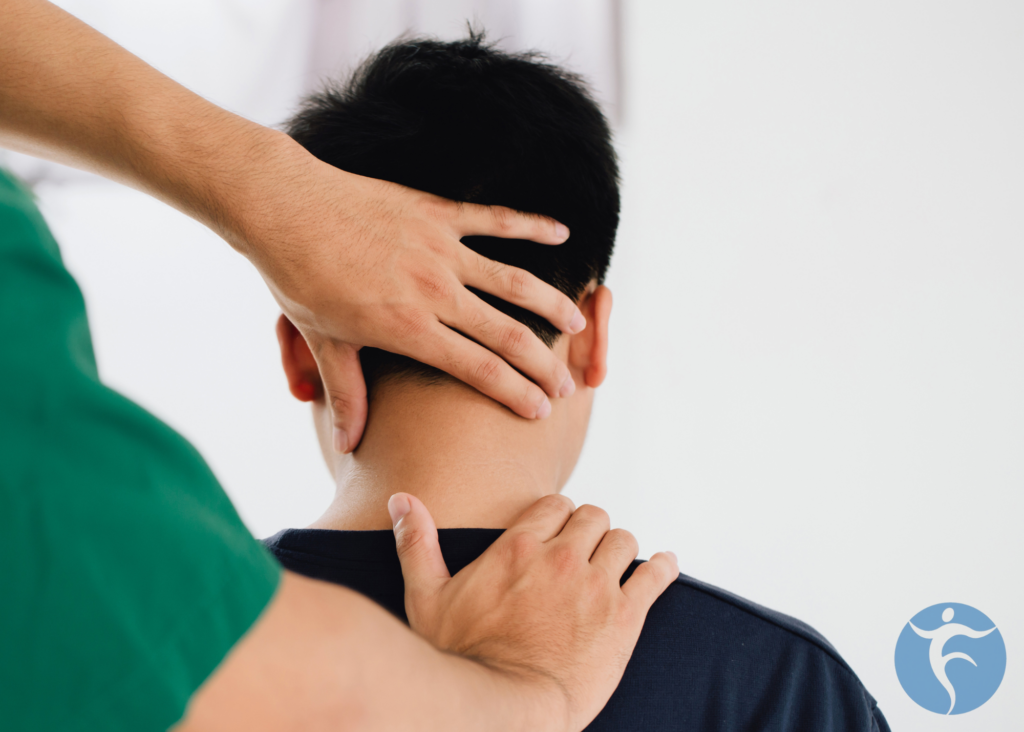
Not every headache comes from the neck, so identifying the likely cause is an important first step. Some headaches may occur alongside neck stiffness, reduced movement, muscular tension, or discomfort around the base of the skull. Physiotherapists can assess neck movement, strength, posture, muscle function, and other relevant physical factors to determine whether treatment may be appropriate.
You may notice a physical connection if your headaches:
- Appear after long periods at a desk.
- Occur alongside neck stiffness.
- Become worse after maintaining one position for too long.
- Are associated with tight shoulders or upper-back tension.
- Return after certain activities or movements.
- Develop after a neck or sports injury.
This does not mean every headache is caused by poor posture or muscle tension. Instead, these factors should be considered as part of a professional assessment.
What Happens During a Physiotherapy Assessment?
Effective treatment begins with understanding your symptoms. A physiotherapist may ask about when your headaches started, how often they occur, what makes them better or worse, and whether you experience accompanying neck or shoulder symptoms.
The assessment may also include:
- Checking neck range of movement.
- Assessing muscle strength and endurance.
- Looking at posture and movement habits.
- Examining the neck, shoulders, and upper back.
- Considering jaw movement where relevant.
- Identifying activities that may increase physical strain.
This assessment helps create a treatment plan based on your specific presentation rather than applying the same approach to every headache. Physical therapists are trained to assess movement and physical contributors while also recognising when another healthcare professional may be more appropriate.
Treatment Can Go Beyond Massage
Many people associate physiotherapy with massage, but headache management can involve several different approaches. Depending on the assessment, treatment may include gentle manual therapy, mobility work, strengthening, posture education, and an appropriate home exercise programme.
Manual techniques may be used to address stiffness or muscular tension around the neck and upper back. Exercise can then help improve strength, endurance, movement control, and tolerance to everyday activities. Education may also help you understand triggers and modify habits that contribute to recurring symptoms.
For people looking for top physiotherapy treatment in Edinburgh, a personalised combination of assessment, hands-on care, exercise, and practical advice can be more useful than relying on a single treatment technique.
Desk Work and Screen Time Can Matter
Long periods of sitting or looking at a screen can place additional demands on the neck and upper body. Staying in one position for too long may contribute to stiffness and muscular discomfort, particularly when combined with limited movement during the day.
Simple changes can make your working environment more comfortable:
- Position your screen around eye level.
- Avoid staying in exactly the same position for long periods.
- Take regular movement breaks.
- Adjust your chair and desk where necessary.
- Avoid holding your phone between your head and shoulder.
- Include regular physical activity throughout the day.
Physiotherapy guidance can help you identify which changes are relevant to your symptoms instead of assuming that one “perfect posture” works for everyone. Workstation adjustments and lifestyle changes are commonly included in physical therapy approaches to headaches and neck-related problems.
Building Strength for Long-Term Headache Management
If your assessment identifies reduced neck or upper-body strength, rehabilitation may become an important part of treatment. The aim is not simply to make the muscles stronger but to improve their ability to support normal movement and everyday activities.
A physiotherapist may gradually introduce exercises targeting the neck, shoulder blades, upper back, and related muscles. The programme should match your current ability and progress as your symptoms improve.
This active approach can help you become more confident with movement and develop strategies for managing future flare-ups. Exercise and individually prescribed home programmes are recognised components of physical therapy for headache management.
Headaches Can Have Different Causes
One of the most important points about headache treatment is that there is no single solution for every type of head pain.
Headaches can be associated with different conditions, including migraine, tension-type headaches, cervicogenic headaches, and other medical causes. Physiotherapy may be particularly relevant when physical or musculoskeletal factors are involved, but some headache patterns require medical assessment or a combination of treatments.
That is why top physiotherapy treatment in Edinburgh should start with assessment rather than immediately applying a particular technique.
If your headaches are frequent, changing, unusually severe, or accompanied by other concerning symptoms, seeking appropriate medical advice is important.
When Should You Seek Professional Advice?
Consider arranging a professional assessment when headaches are repeatedly affecting your:
- Work or concentration.
- Sleep.
- Exercise routine.
- Neck movement.
- Daily activities.
- General quality of life.
Headaches that occur with significant dizziness, weakness, coordination problems, worsening neurological symptoms, or other unusual changes should receive prompt medical attention rather than being treated as a routine muscular problem.
A More Complete Approach to Head Pain
The most useful physiotherapy programme is often broader than treating the painful area. Your therapist may consider your neck mobility, upper-back movement, shoulder strength, workstation habits, activity levels, sleep, stress, and daily movement patterns.
Local Edinburgh physiotherapy services commonly offer headache-related care alongside treatment for neck and musculoskeletal conditions, using approaches such as manual therapy, exercise, posture assessment, and rehabilitation.
For this reason, top physiotherapy treatment in Edinburgh should be viewed as a personalised process: assess the contributing factors, address the physical limitations, build strength and movement capacity, and give you practical strategies that you can continue using outside the clinic.
Final Thoughts
Recurring headaches and head pain can interfere with work, sleep, exercise, and everyday life. When physical factors such as neck stiffness, muscular tension, reduced movement, or posture-related strain contribute to symptoms, physiotherapy may form part of an effective management plan.
A detailed assessment can help identify the factors that may be contributing to your symptoms and determine whether physiotherapy is appropriate. With personalised manual therapy, exercises, movement advice, and practical lifestyle adjustments, the goal is to support better movement and long-term symptom management.
Choosing top physiotherapy treatment in Edinburgh means looking for an approach that considers the person as a whole rather than simply treating the headache itself.

 English
 Arabic
 French
 Portuguese
 Deutsch
 Turkish
 Dutch
Dutch
 Italiano
 Russian
 Romaian
 Portuguese (Brazil)
 Greek
Greek