


What Is GAPP? A Parent’s Guide to Pediatric In-Home Care Services
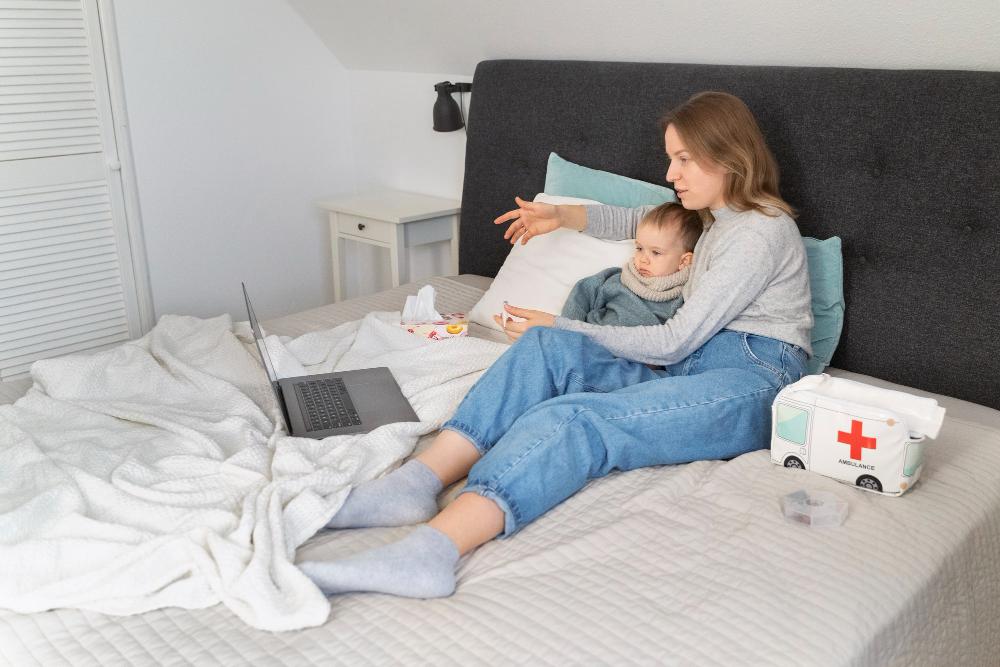
When a child has complex medical needs, parents often find themselves managing far more than everyday parenting. Appointments, medications, medical equipment, therapies, and ongoing supervision can become part of the family’s normal routine. Finding dependable support can make these responsibilities easier to coordinate while allowing a child to remain in a familiar home environment.
So, what is GAPP and how can it help families in Georgia? The Georgia Pediatric Program, commonly known as GAPP, is a Medicaid program designed to provide certain medically necessary services to eligible medically fragile children. Understanding how the program works can help parents explore whether in-home support may be appropriate for their child.
For families considering pediatric home healthcare, SLB In-Home Care provides professional in-home support for children with complex medical needs. Learning about available programs and services can be an important first step toward building a care plan that works for both the child and the family.
Understanding What Is GAPP?
GAPP stands for the Georgia Pediatric Program. It is a Medicaid benefit intended to support eligible children who are medically fragile and require medically necessary skilled nursing and/or personal care support.
Rather than requiring every healthcare need to be addressed in a clinical facility, GAPP can provide authorized services in the child's home and community setting. This approach may allow children to receive appropriate support while remaining connected to their familiar routines.
Eligibility and authorization depend on the child's individual circumstances, medical needs, physician involvement, and applicable Medicaid requirements. Parents should work with an approved GAPP provider and the appropriate healthcare professionals to understand what services may be available.
Which Children May Qualify for GAPP Services?
GAPP is intended for children with significant medical needs, but not every child with a health condition will automatically qualify. Individual eligibility is determined according to program requirements.
Children who may be considered for GAPP-related services can include those who have:
- Complex or multiple medical conditions
- Ongoing skilled nursing needs
- Significant physical limitations
- Conditions requiring regular medical monitoring
- Dependence on certain medical equipment
- Long-term healthcare needs requiring assistance at home
- A need for medically necessary personal care support
For parents asking what is GAPP because their child requires ongoing assistance, speaking with a qualified provider can help clarify the next steps and documentation that may be required.
Pediatric In-Home Services Available Through GAPP
One of the key features of GAPP is its focus on supporting eligible children outside of traditional healthcare facilities. Depending on the child's authorized plan, services may address different aspects of daily care.
Skilled Nursing Support
Skilled nursing may be appropriate for children whose conditions require professional nursing care. Depending on the authorized services, nurses may assist with prescribed healthcare tasks, monitoring, and other responsibilities identified in the child's plan of care.
Personal Care Assistance
Some medically fragile children need help with everyday activities. Authorized personal care support may assist with appropriate daily living needs while helping children remain in their home environment.
Care Within Familiar Surroundings
Home-based services allow care to take place where children spend much of their everyday lives. This can make it easier to coordinate healthcare responsibilities with school activities, family routines, therapy, rest, and other normal experiences.
Support for Families
Parents remain an essential part of a child's care team. Professional in-home support can help families coordinate daily responsibilities while ensuring the child's authorized care needs are addressed according to the established plan.
Why Parents Explore GAPP for Pediatric Home Care
Managing complex pediatric healthcare can affect the entire household. Parents may need to balance employment, appointments, siblings, school schedules, and their child's daily medical needs.
GAPP services may provide practical support by helping eligible families:
- Coordinate professional care at home
- Maintain greater consistency in daily routines
- Support medically necessary healthcare needs
- Reduce unnecessary disruption to family life
- Keep children connected to their familiar surroundings
- Build a more organized approach to ongoing care
For families researching what is GAPP, understanding these potential benefits can provide useful context before beginning the application and authorization process.
A Team-Based Approach to Children's Healthcare
Pediatric home care works best when communication is maintained among the people involved in a child's healthcare. Parents, physicians, nurses, therapists, specialists, and care providers may each contribute different information to the overall plan.
A GAPP provider can become part of this larger care team by delivering authorized services in the home. Parents can also provide valuable insight because they understand their child's normal behaviors, routines, preferences, and challenges.
Good communication helps ensure that everyone understands their responsibilities and knows when concerns should be shared with the appropriate healthcare professional.
How Parents Can Prepare for the GAPP Process
Families beginning their GAPP journey may have questions about eligibility, documentation, physician orders, service needs, and authorization. Preparing relevant medical information can help make conversations with providers more productive.
Parents can begin by discussing their child's home-care needs with the child's healthcare provider. They may also want to document the types of assistance their child requires during a typical day, including nursing-related needs, personal care, mobility, nutrition, or other areas identified by the healthcare team.
Because program requirements can change and authorization is based on individual circumstances, families should obtain current guidance from Georgia Medicaid and an approved GAPP provider.
Why Families Choose SLB In-Home Care
For parents of medically fragile children, choosing a home healthcare provider is an important decision. Families often look for professional support that recognizes the child's individual needs while respecting the family's established routines.
SLB In-Home Care focuses on pediatric home healthcare and support for children with complex medical needs. Its approach centers on providing care within the home while working around the child's individualized needs and authorized services.
Families looking for pediatric in-home support may value:
- Pediatric-focused care
- Professional in-home nursing support
- Family-centered communication
- Individualized care planning
- Assistance for medically fragile children
- Care delivered within a familiar environment
Understanding what is GAPP is only one part of the process. Families also need to understand the type of care their child requires and whether an available provider can support those needs.
Creating Greater Continuity for Children at Home
Children with complex medical conditions often have routines that are carefully structured around their healthcare needs. Changes in caregivers, environments, or schedules can sometimes make daily life more difficult for both children and parents.
In-home services can provide greater continuity by bringing authorized professional support into the child's normal surroundings. Care can become part of the family's existing routine rather than requiring every healthcare need to take place outside the home.
This does not replace a child's physicians or other members of the healthcare team. Instead, pediatric home care can complement the broader care plan by addressing authorized needs where the child lives.
Making GAPP Easier to Understand
For parents who have never explored Medicaid-supported pediatric home care, GAPP can initially seem complicated. The most useful starting point is to understand that eligibility, medical necessity, service authorization, and the child's individual needs all play important roles.
Asking clear questions and working with qualified professionals can help families understand the process and determine what support may be appropriate.
Ultimately, what is GAPP is a question with an answer that goes beyond an acronym. For eligible medically fragile children, the program can connect families with authorized in-home services intended to support healthcare needs while children remain in their familiar surroundings.
FAQs
1. What does GAPP stand for in Georgia?
GAPP stands for the Georgia Pediatric Program. It is a Georgia Medicaid benefit that provides certain authorized services to eligible medically fragile children who meet program requirements.
2. Does every medically fragile child qualify for GAPP?
No. Eligibility is based on specific program requirements, the child's medical needs, medical necessity, and other applicable Medicaid criteria. Families should speak with an appropriate healthcare professional and GAPP provider for current guidance.
3. What types of care can GAPP provide at home?
Depending on eligibility and authorization, GAPP may provide medically necessary skilled nursing and/or personal care support in the child's home or community setting.

 English
 Arabic
 French
 Spanish
 Portuguese
 Deutsch
 Turkish
 Italiano
 Russian
 Romaian
 Portuguese (Brazil)
 Greek
Greek