


What Is Fiberglass Made Out Of? A Complete Guide
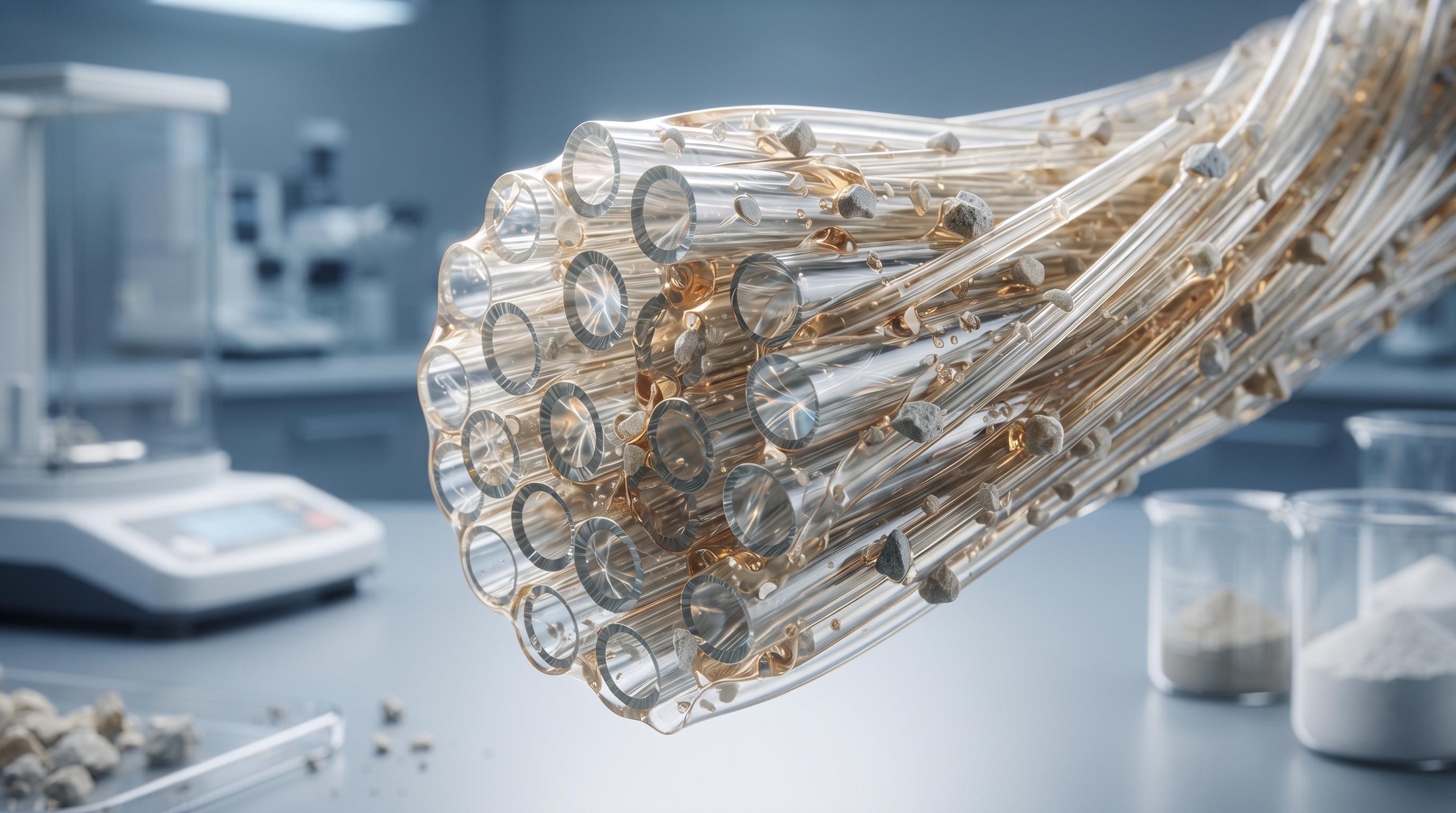
If you are wondering what is fiber glass made out of, the simple answer is that fiberglass is primarily made from extremely fine strands of glass. However, the finished material can contain more than glass fibers alone. Depending on the product and its purpose, fiberglass may also include a resin, binder, sizing material, or other additives that help improve strength, flexibility, durability, chemical resistance, or handling. The glass itself is generally silica-based and can contain minerals and oxides such as aluminum, calcium, magnesium, boron, sodium, and potassium compounds. These ingredients are carefully combined, melted, and processed into very fine fibers that can then be arranged or combined with other materials to create different fiberglass products.
What Is Fiberglass?
Fiberglass is a material made from very fine glass fibers that can be arranged into strands, mats, fabrics, insulation, or reinforcement products. In composite applications, the glass fibers are commonly combined with a polymer resin to create glass-reinforced plastic, which is widely used because it combines the strength and stiffness of glass fibers with the shaping and binding properties of a polymer matrix. The term fiberglass can therefore describe the glass fiber itself in some contexts or the finished composite material in others. The structure and composition of the final product depend on its intended application, manufacturing method, and the type of glass used.
What Is Fiber Glass Made Out Of?
The main material used to make fiberglass is silica-based glass, with silicon dioxide serving as the primary ingredient in many glass fiber formulations. Other mineral ingredients and oxides are added to modify the properties of the glass, including its chemical durability, strength, melting behavior, and suitability for particular applications. Common components can include aluminum oxide, calcium oxide, magnesium oxide, boron oxide, sodium oxide, and potassium oxide, although the exact composition varies according to the type of glass fiber being produced. This variation allows manufacturers to create glass fibers with properties suited to electrical, structural, corrosion-resistant, insulation, or other specialized applications.
Silica in Fiberglass
Silica, or silicon dioxide, is the fundamental ingredient behind most commercial glass fibers and is responsible for forming the basic glass structure. Silica is commonly obtained from silica-rich raw materials such as sand and is combined with other minerals before being melted into glass. Although pure silica can form glass fibers, commercial fiberglass usually uses a carefully balanced glass composition containing additional oxides because these ingredients can make processing easier and give the finished fibers properties needed for practical applications. The amount of silica and the other components varies between different glass fiber formulations.
Other Minerals Used in Fiberglass
Besides silica, fiberglass can contain several other mineral-based ingredients that influence its final characteristics. Aluminum compounds can contribute to the properties of certain structural glass fibers, while calcium and magnesium compounds can influence durability and other physical characteristics. Boron compounds are used in some formulations to modify the glass and its performance, while sodium and potassium compounds can act as modifiers within the glass structure. Manufacturers adjust these ingredients according to the type of glass fiber and its intended use, which is why not every fiberglass product has exactly the same chemical composition.
Is Fiberglass Made From Sand?
Fiberglass is commonly made using silica-rich raw materials, including sand, because silica is the principal component of many glass formulations. However, it would be inaccurate to say that fiberglass is simply made from ordinary sand. Manufacturers combine silica-rich materials with other minerals and chemical ingredients to create a specific glass composition. The mixture is then melted and processed into fine fibers. The final glass fiber therefore has a carefully controlled composition rather than being unchanged sand that has simply been stretched into threads.
Does Fiberglass Contain Resin?
Fiberglass products used as composite materials commonly contain resin, but not every material described as fiberglass is made with resin. Glass fibers themselves are made from glass and can exist as strands, woven fabrics, mats, or other forms without being embedded in a plastic matrix. When glass fibers are combined with a resin, they form a glass-reinforced composite that can be molded into products such as panels, structural components, tanks, pipes, automotive parts, and marine products. Common resin systems include polyester, vinyl ester, and epoxy, with the choice depending on the performance requirements of the finished product.
What Is Fiberglass Resin Made From?
Fiberglass resin is a separate material from the glass fibers and serves as the matrix that surrounds and holds the fibers together in many composite products. Depending on the product, the resin can be based on polyester, vinyl ester, epoxy, or another polymer system. The resin helps transfer loads between fibers, protects the reinforcement, and allows the material to be shaped into useful forms. Different resin systems provide different characteristics, so manufacturers select them according to factors such as chemical exposure, mechanical requirements, processing method, environmental conditions, and the desired finish of the final fiberglass product.
How Is Fiberglass Made?
The manufacturing process begins with carefully selected raw materials that are mixed to create the desired glass composition. These materials are heated in a furnace until they form molten glass, after which the molten material is transformed into extremely fine fibers through a controlled fiber-forming process. Continuous glass fibers can be drawn through small openings to form long filaments, while other processes can create shorter fibers used for insulation and other products. After the fibers are formed, manufacturers may apply sizing, binders, or other treatments depending on the intended application.
How Are Glass Fibers Formed?
Glass fibers are formed by taking molten glass and converting it into extremely fine strands. In continuous filament production, molten glass is delivered to a forming system and drawn through very small openings to create thin filaments that cool into solid glass fibers. For fiberglass insulation, different fiber-forming methods can produce shorter fibers that are collected into a mat. The manufacturing method influences the fiber structure, dimensions, surface characteristics, and final properties of the material.
What Is Fiberglass Sizing?
Sizing is a coating or treatment applied to glass fibers during manufacturing to help protect the fiber surface and improve its compatibility with later processing. Depending on the intended product, sizing can assist with handling, reduce surface damage, improve bonding with a resin, and help keep individual filaments together. This treatment is particularly important for reinforcement fibers because the condition of the fiber surface can affect how well the glass interacts with the surrounding polymer matrix. The exact sizing formulation depends on the glass fiber and the intended application.
Why Are Different Types of Glass Used?
Different glass compositions are used because fiberglass products have different performance requirements. E-glass, for example, is widely used for electrical and general reinforcement applications, while other formulations are designed for characteristics such as higher mechanical performance, improved chemical resistance, or specialized electrical properties. Changing the proportions of silica and other oxides allows manufacturers to modify the behavior of the glass fibers. This means that fiberglass should not be considered a single material with one universal chemical recipe.
What Makes Fiberglass Strong?
Fiberglass gets much of its strength from the fine glass fibers used as reinforcement. Glass in fiber form can have high strength because the manufacturing process produces fine fibers with relatively few large defects that could initiate failure. When these fibers are arranged correctly and combined with a suitable resin, the resulting composite can provide a useful combination of strength, stiffness, low weight, and durability. The performance of the final product depends not only on the glass composition but also on fiber orientation, fiber quality, resin type, bonding, manufacturing quality, and the conditions in which the material is used.
Why Is Fiberglass So Widely Used?
Fiberglass is widely used because it offers a useful balance of strength, weight, durability, electrical properties, and resistance to many environmental conditions. Glass fibers can reinforce polymers without adding the same level of weight associated with some traditional structural materials, while the resin matrix allows the finished product to be molded into many shapes. Fiberglass composites can also be produced as fabrics, mats, panels, pipes, tanks, insulation products, and molded components. These characteristics have made fiberglass valuable across construction, transportation, marine products, industrial equipment, electronics, and many other applications.
Common Uses of Fiberglass
Fiberglass is used in a wide range of products because its properties can be adjusted through glass composition, fiber arrangement, resin selection, and manufacturing methods. In construction, it can appear in insulation, roofing materials, panels, doors, pipes, and reinforcement products. In transportation, fiberglass composites can be used in vehicle components and marine structures. Industrial applications can include tanks, equipment, pipes, and protective components, while electrical and electronic applications can use glass fiber materials because of their useful insulating characteristics.
Fiberglass for Insulation
Fiberglass insulation is made using glass fibers that are formed into a wool-like structure and held together to create a mat or other insulation product. During manufacturing, molten glass is converted into fibers and a binder can be applied to help hold the fibers together. The resulting structure contains many small spaces that reduce heat transfer and can also contribute to sound absorption. Insulation fiberglass differs from structural glass-reinforced plastic because its primary purpose is usually thermal or acoustic performance rather than structural reinforcement.
Fiberglass Compared With Ordinary Glass
Although fiberglass is made from glass, it behaves differently from a conventional piece of bulk glass because its structure consists of extremely fine fibers. The fiber form can provide high tensile strength and flexibility during processing, while bulk glass is generally rigid and brittle. In composite fiberglass, the glass fibers are further combined with a polymer resin, creating a material with properties that differ substantially from ordinary window or container glass. The chemical composition can also vary because fiberglass manufacturers select glass formulations according to the intended application.
Is Fiberglass Waterproof?
The glass fibers themselves are not water-soluble and are generally resistant to moisture, but the water resistance of a finished fiberglass product depends on its complete construction. A fiberglass composite contains both glass reinforcement and a surrounding matrix, while insulation products can contain binders and other materials that influence their behavior when exposed to moisture. Properly manufactured fiberglass composites can provide good resistance to many environmental conditions, but water can still affect the resin, coatings, joints, or surrounding materials depending on the product. Therefore, waterproof performance should be evaluated for the specific fiberglass product rather than assumed for every material called fiberglass.
Is Fiberglass Heat Resistant?
Glass fibers can tolerate substantial heat, but the heat resistance of a fiberglass product depends on its glass formulation and, in composite materials, the resin surrounding the fibers. Glass itself can withstand temperatures far beyond those tolerated by many polymer resins, while the resin matrix can soften, degrade, or lose performance at elevated temperatures. This is why the maximum service temperature of a fiberglass composite cannot be determined from the glass fibers alone. The complete material system and its intended application need to be considered.
Frequently Asked Questions About What Fiber Glass Is Made Out Of
What is fiberglass mainly made out of?
Fiberglass is mainly made from extremely fine strands of silica-based glass. The glass usually contains additional mineral oxides that modify its properties and make it suitable for specific applications. Some fiberglass products also contain resin, binders, sizing, or other materials depending on how the fibers will be used.
Is fiberglass made from natural materials?
Many of the basic raw materials used to manufacture glass fibers are mineral-based materials that occur naturally, including silica-rich materials and other minerals. Manufacturers process and combine these materials into a controlled glass composition before forming the molten glass into fibers.
Does fiberglass contain plastic?
Fiberglass itself refers to glass fibers, but many finished fiberglass composite products contain a plastic resin. When glass fibers are embedded in a polymer resin, the result is commonly called glass-reinforced plastic or fiberglass composite.
Is fiberglass the same as glass fiber?
The terms are often used interchangeably, but their meaning can depend on context. Glass fiber specifically describes the fine strands of glass, while fiberglass can also refer to a finished composite product containing glass fibers and a polymer matrix.
What minerals are found in fiberglass?
Depending on the glass formulation, fiberglass can contain silica along with oxides of aluminum, calcium, magnesium, boron, sodium, potassium, and other elements. The exact ingredients vary between different glass fiber types and applications.
Why is silica used to make fiberglass?
Silica is used because it forms the fundamental structure of many types of glass. When combined with suitable mineral modifiers and stabilizers, it can produce glass with properties appropriate for fiber formation and different industrial applications.
Is fiberglass stronger than ordinary glass?
Glass fibers can have much higher practical tensile strength than bulk glass because their fine structure contains fewer large defects that can initiate cracks. When the fibers are combined with a suitable resin and arranged correctly, they can create strong composite materials.
Is fiberglass safe to handle?
The safety of fiberglass depends on the specific product and how it is handled. Fine glass fibers can irritate the skin, eyes, and respiratory system, particularly when fibers or dust become airborne. Appropriate protective practices should therefore be followed when cutting, installing, or processing fiberglass materials.
Conclusion
Understanding what is fiber glass made out of begins with recognizing that fiberglass is primarily based on very fine strands of silica-based glass. The glass composition can include minerals and oxides such as aluminum, calcium, magnesium, boron, sodium, and potassium compounds, with the exact formulation selected according to the required properties. In many finished fiberglass composites, these glass fibers are combined with a polymer resin that holds the reinforcement together and allows it to be shaped into useful products. Fiberglass can also be manufactured as insulation, fabric, mat, reinforcement, and other forms. Its combination of useful strength, relatively low weight, durability, and adaptable manufacturing characteristics explains why it continues to be used across construction, transportation, marine, industrial, and other applications.

 English
 Arabic
 French
 Portuguese
 Deutsch
 Turkish
 Dutch
Dutch
 Italiano
 Russian
 Romaian
 Portuguese (Brazil)
 Greek
Greek