
Which Commodities Are Most Traded in the Commodity Market?
Introduction to the Commodity Market
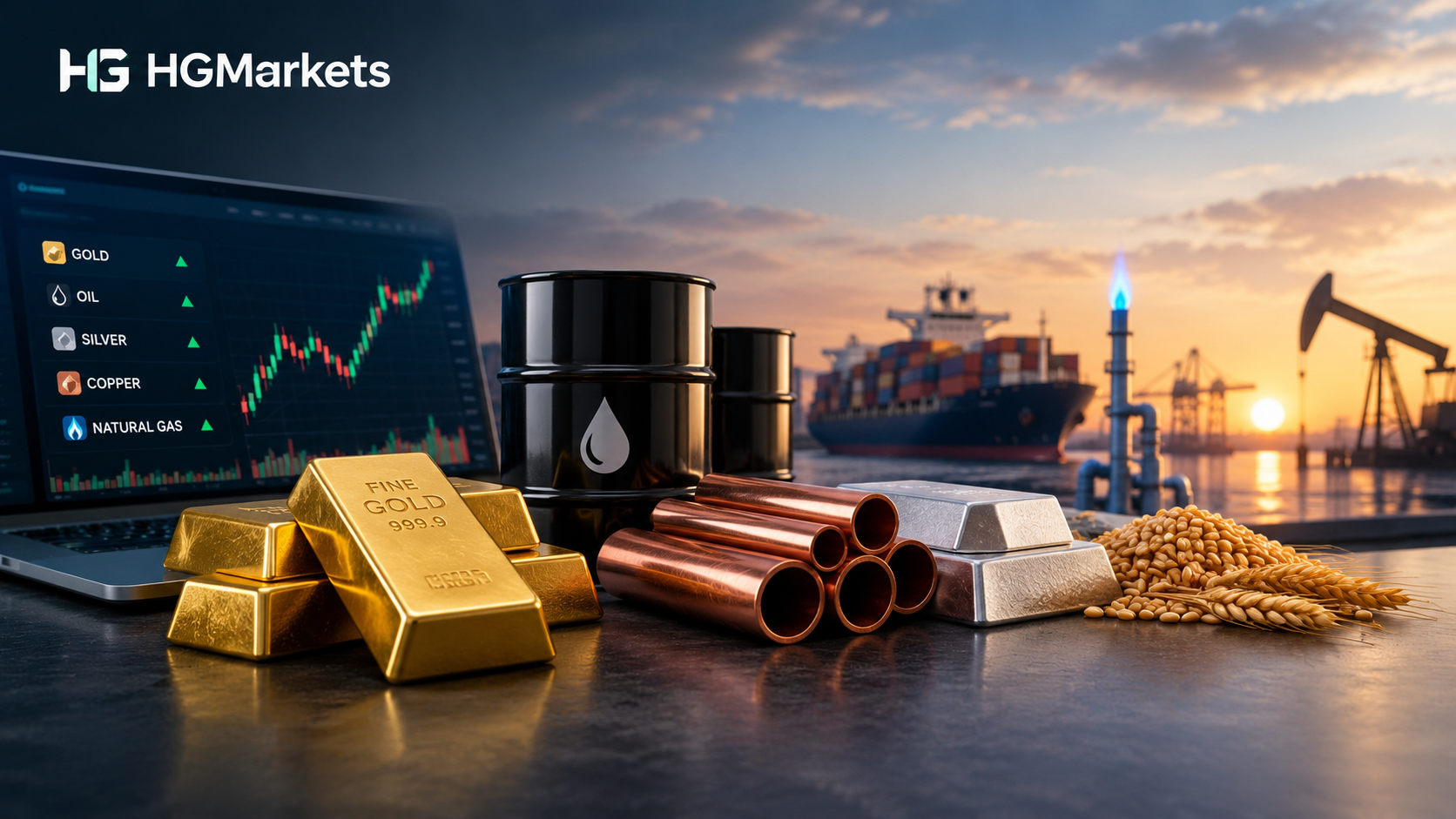
The commodity market is one of the oldest and most active financial markets in the world, connecting producers, businesses, and investors through the trading of essential raw materials. From crude oil and gold to agricultural products such as wheat and coffee, commodities influence global economies and everyday life. For traders, understanding which commodities attract the highest trading volumes can provide valuable insights into market trends and potential opportunities. Whether you are new to trading or looking to diversify your portfolio, knowing the most traded assets in the commodity market is an important step. In this guide, we'll explore the leading commodities, the factors that influence their prices, and how HG Markets helps traders access global commodity markets with confidence.
Understanding the Commodity Market
What Is the Commodity Market?
The commodity market is a financial marketplace where raw materials and natural resources are bought and sold. These assets are generally categorized into energy commodities, precious metals, industrial metals, and agricultural products. Unlike company shares, commodities represent physical goods that are essential to industries worldwide. Modern traders can access these markets through Contracts for Difference (CFDs), futures contracts, and other financial instruments without owning the physical asset. Thanks to online trading platforms such as HG Markets, commodity trading has become more accessible than ever, allowing both beginners and experienced traders to participate in global markets.
Why the Commodity Market Is Important
The commodity market plays a significant role in supporting global trade and economic growth. Every major industry depends on commodities, whether it's oil for transportation, copper for electrical infrastructure, or wheat for food production. Commodity prices also influence inflation, manufacturing costs, and consumer spending. Investors often include commodities in their portfolios because they can provide diversification and may help reduce risk during periods of economic uncertainty. As global demand continues to evolve, commodity trading remains a key component of the financial markets.
Crude Oil: The World's Most Traded Commodity
Why Crude Oil Dominates Trading
Crude oil is widely regarded as the most actively traded commodity in the world. It serves as the primary source of energy for transportation, manufacturing, and industrial production, making it essential to the global economy. The two major oil benchmarks—Brent Crude and West Texas Intermediate (WTI)—are traded by investors worldwide due to their high liquidity and price volatility. Oil prices are influenced by OPEC production decisions, geopolitical tensions, global economic growth, and supply-demand dynamics. Because of its frequent price movements, crude oil remains a popular choice for both short-term traders and long-term investors.
Gold: A Trusted Safe-Haven Asset
Why Investors Choose Gold
Gold has been a symbol of wealth and financial security for centuries. During times of economic uncertainty, inflation, or geopolitical instability, investors often turn to gold to preserve their wealth. Central banks also hold significant gold reserves, supporting long-term demand. Gold prices are affected by interest rates, inflation expectations, currency movements, and global economic conditions. Its strong liquidity and worldwide recognition make gold one of the most traded commodities available through brokers like HG Markets.
Natural Gas: A High-Volatility Energy Commodity
What Drives Natural Gas Prices?
Natural gas is an essential energy source used for electricity generation, industrial manufacturing, and residential heating. Unlike oil, natural gas prices are highly sensitive to seasonal weather conditions, especially during winter when heating demand rises. Storage levels, production volumes, export demand, and government energy policies also influence price movements. Because of its rapid fluctuations, natural gas attracts traders looking for opportunities in volatile markets while requiring careful risk management.
Silver: A Precious Metal with Industrial Demand
Why Silver Is Popular Among Traders
Silver combines the characteristics of both an investment asset and an industrial metal. It is widely used in electronics, solar panels, medical equipment, and electric vehicles, creating consistent industrial demand. At the same time, investors purchase silver as a hedge against inflation and economic uncertainty. Compared to gold, silver often experiences larger percentage price swings, making it attractive to traders seeking greater market volatility. Its dual role continues to support its popularity in the global commodities market.
Copper: The Metal That Reflects Economic Growth
Why Copper Is Closely Watched
Copper is often referred to as the "metal with a PhD in economics" because its price closely reflects global economic activity. It is used extensively in construction, electrical wiring, renewable energy systems, and electric vehicle manufacturing. As countries continue investing in infrastructure and clean energy, demand for copper remains strong. Traders monitor economic reports, industrial production data, and construction activity to anticipate copper price movements and identify trading opportunities.
Agricultural Commodities: Essential Products with Global Demand
Corn, Wheat, and Soybeans
Agricultural commodities are among the most important products traded in the commodity market. Corn is used for food production, livestock feed, and biofuel manufacturing, while wheat remains one of the world's most consumed staple crops. Soybeans play a crucial role in producing cooking oil, animal feed, and biodiesel. Prices for these commodities are influenced by weather conditions, crop yields, export demand, and government agricultural policies. Seasonal changes and global supply disruptions often create trading opportunities in these markets.
Soft Commodities: Coffee and Sugar
Why Coffee and Sugar Attract Traders
Coffee and sugar are two of the most actively traded soft commodities worldwide. Coffee production depends heavily on weather conditions in countries such as Brazil and Vietnam, while sugar prices are influenced by crop production, ethanol demand, and international trade policies. Because these commodities are closely linked to climate conditions and consumer demand, they often experience significant price fluctuations throughout the year. Their volatility makes them attractive to traders seeking diversified exposure beyond energy and metals.
What Influences Commodity Prices?
Supply and Demand
Like every financial market, commodity prices are primarily driven by supply and demand. When production declines due to poor weather, natural disasters, or geopolitical events, prices often rise. Conversely, higher production and weaker demand can lead to lower prices. Understanding supply-demand dynamics helps traders anticipate potential market movements and make informed trading decisions.
Global Economic and Political Events
Economic growth, inflation, interest rate decisions, and geopolitical developments all influence commodity prices. Political conflicts can disrupt oil supplies, while trade agreements may impact agricultural exports. Currency fluctuations, particularly changes in the US dollar, also affect the pricing of internationally traded commodities. Monitoring these macroeconomic factors is essential for traders looking to navigate changing market conditions.
Why Trade Commodities with HG Markets?
Access Global Commodity Trading Opportunities
HG Markets provides traders with access to a diverse range of commodities, including energy products, precious metals, industrial metals, and agricultural assets. The platform offers competitive trading conditions, advanced charting tools, real-time market analysis, and educational resources designed to support traders at every experience level. Whether you're exploring commodity trading for the first time or expanding your investment strategy, HG Markets delivers the technology and market access needed to trade with confidence in today's fast-moving financial markets.
Conclusion
The commodity market offers traders access to some of the world's most valuable and actively traded assets, including crude oil, gold, natural gas, silver, copper, and agricultural commodities. Each market is influenced by unique economic, political, and environmental factors, creating opportunities for traders with different strategies and risk preferences. By understanding how these commodities behave and choosing a reliable trading partner such as HG Markets, investors can make more informed decisions while gaining exposure to global financial markets.
Frequently Asked Questions
What is the most traded commodity in the world?
Crude oil is the most traded commodity globally because of its critical role in transportation, manufacturing, and energy production.
Why is gold considered a safe-haven asset?
Gold is often viewed as a safe-haven investment because it tends to retain value during periods of inflation, economic uncertainty, and market volatility.
Which commodities are best for beginners?
Many beginners start with gold and crude oil because these markets offer high liquidity, extensive market analysis, and significant trading volumes.
What factors affect commodity prices?
Commodity prices are influenced by supply and demand, geopolitical events, weather conditions, inflation, interest rates, currency movements, and global economic trends.
Why should traders choose HG Markets?
HG Markets offers access to global commodity markets, competitive trading conditions, advanced trading tools, educational resources, and dedicated customer support, helping traders make informed decisions in the dynamic commodity market.
 Russian
 English
 Arabic
 French
 Spanish
 Portuguese
 Deutsch
 Turkish
 Dutch
Dutch
 Italiano
 Romaian
 Portuguese (Brazil)
 Greek
Greek