


How to Reduce Redness After Plasma Pen Treatment
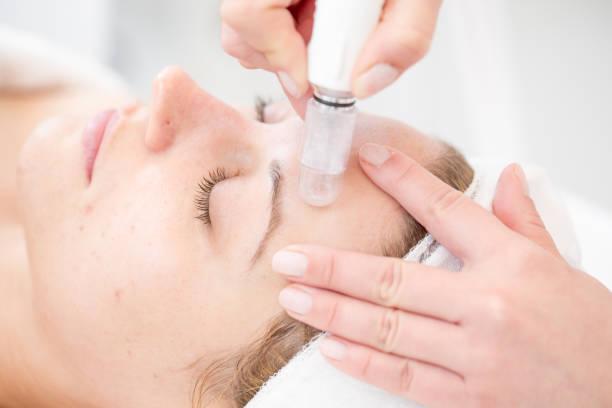
Redness is a common part of the skin’s response after plasma pen treatment. It can make the treated area appear more noticeable immediately after the procedure, but it generally settles as the skin progresses through its natural healing stages. For people considering Plasma Pen Treatment in Riyadh, understanding why redness occurs and how to care for the skin afterward can make recovery more comfortable.
The intensity and duration of redness can vary depending on the treatment area, treatment settings, individual skin sensitivity, and the body's healing response. Rather than trying to eliminate redness immediately, the goal is to protect the treated skin and avoid habits that could prolong irritation.
Why Does Redness Occur After Plasma Pen Treatment?
The Skin’s Natural Response
Plasma pen treatment creates controlled micro-injuries on the skin's surface, triggering a healing response. Increased blood flow to the treated area can contribute to temporary redness, warmth, and sensitivity. These effects are part of the recovery process and usually become less noticeable as the skin heals.
Different Skin Responses
Not everyone's skin reacts in exactly the same way. Some people may experience mild redness that settles relatively quickly, while others may notice more pronounced redness for several days. The treated area's size and sensitivity can also influence the appearance of redness.
Keep the Treated Skin Gentle
One of the most important ways to support recovery is to avoid unnecessary irritation. Clean the area only as directed by your treatment provider and avoid rubbing, scratching, or repeatedly touching the skin. Gentle handling can help prevent additional inflammation while the skin barrier is recovering.
Avoid picking at any small crusts or dots that develop after treatment. Although they may be tempting to remove, allowing them to detach naturally helps protect the healing skin underneath.
Use Recommended Soothing Products
Your provider may recommend specific post-treatment products designed to keep the skin comfortable and supported during recovery. Follow those instructions carefully rather than experimenting with multiple new products immediately after treatment.
Heavy fragrances, strong exfoliants, and potentially irritating active ingredients may not be appropriate while the skin is healing. If you are uncertain about a particular skincare product, ask your treatment provider before applying it to the treated area.
Protect Your Skin From the Sun
Why Sun Protection Matters
Recently treated skin can be more sensitive to sunlight. Direct exposure may increase irritation and can contribute to unwanted pigmentation changes while the skin is recovering. For this reason, protecting the area from unnecessary sun exposure is an important part of aftercare.
Follow Your Provider’s Sunscreen Guidance
Once your provider confirms that sunscreen is appropriate for your stage of healing, use the recommended broad-spectrum protection and take practical measures such as seeking shade and limiting prolonged direct exposure. Follow any specific instructions about when and how sunscreen should be applied.
Avoid Heat and Activities That Increase Irritation
Excessive heat and sweating may make recently treated skin feel more irritated. Depending on the treatment area and procedure intensity, your provider may recommend temporarily avoiding strenuous exercise, saunas, steam rooms, hot baths, or other activities that generate substantial heat.
Giving the skin time to settle can help reduce unnecessary discomfort. Returning to these activities should be based on your provider's recovery instructions rather than a fixed schedule.
Don't Cover the Redness With Irritating Makeup
It can be tempting to use makeup immediately to conceal redness. However, recently treated skin may not be ready for cosmetic products. Applying makeup too early or removing it aggressively can increase irritation.
Ask your treatment provider when it is safe to resume makeup and which products are appropriate. When makeup is permitted, gentle application and removal can help minimize unnecessary friction.
How Long Does Post-Treatment Redness Last?
Redness often becomes less noticeable as the initial healing stage progresses, but the timeline differs between individuals. Mild redness may settle within several days, while some people can experience residual pinkness for longer. The intensity of treatment and individual skin response are important factors.
With Plasma Pen Treatment in Riyadh, the visible recovery period should be discussed during consultation because the expected timeline can vary according to the treatment plan and the area being treated. Avoid comparing your recovery directly with photographs or experiences found online.
When Is Redness a Reason to Contact Your Provider?
Some redness, warmth, swelling, and sensitivity can occur during normal recovery. However, if redness becomes increasingly severe instead of gradually improving, or if it is accompanied by significant pain, unusual discharge, worsening swelling, or other concerning symptoms, contact your treatment provider promptly for professional assessment.
Do not attempt to treat unexpected symptoms with strong skincare products or home remedies without professional guidance. A qualified provider can determine whether the reaction is part of normal healing or requires additional attention.
Supporting a Smooth Recovery
The simplest approach is often the most effective: keep the treated area clean according to instructions, avoid picking or rubbing, protect the skin from excessive sun exposure, and use only products recommended for the recovery stage. Patience is also important because the skin needs time to complete its natural repair process.
A professional consultation before treatment can also help you understand what level of redness to expect and how your individual treatment plan may affect recovery. Good preparation and appropriate aftercare can make the healing period easier to manage.
Book an Appointment at Royal Clinic Saudia
If you are considering plasma pen treatment and want personalized guidance about redness, aftercare, and recovery, book a consultation with Royal Clinic Saudia. A professional assessment can help you understand the procedure and create an aftercare approach suited to your skin.
FAQs
Is redness normal after plasma pen treatment?
Yes, temporary redness can occur as part of the skin's natural healing response. Its intensity and duration can vary depending on the individual and the treatment performed.
Can I apply skincare products to reduce redness?
Only use products recommended or approved by your treatment provider during the early healing period. Some active ingredients can irritate recently treated skin.
Can I use ice to calm redness?
Do not place ice directly against treated skin unless your provider specifically recommends an appropriate cooling method. Recently treated skin can be particularly sensitive.
When should redness start improving?
Redness generally becomes less noticeable as healing progresses, but the exact timeline varies. If redness is worsening rather than improving, contact your treatment provider for advice.

 English
 French
 Spanish
 Portuguese
 Deutsch
 Turkish
 Dutch
Dutch
 Italiano
 Russian
 Romaian
 Portuguese (Brazil)
 Greek
Greek