


Common Swimming Pool Maintenance Problems in Singapore
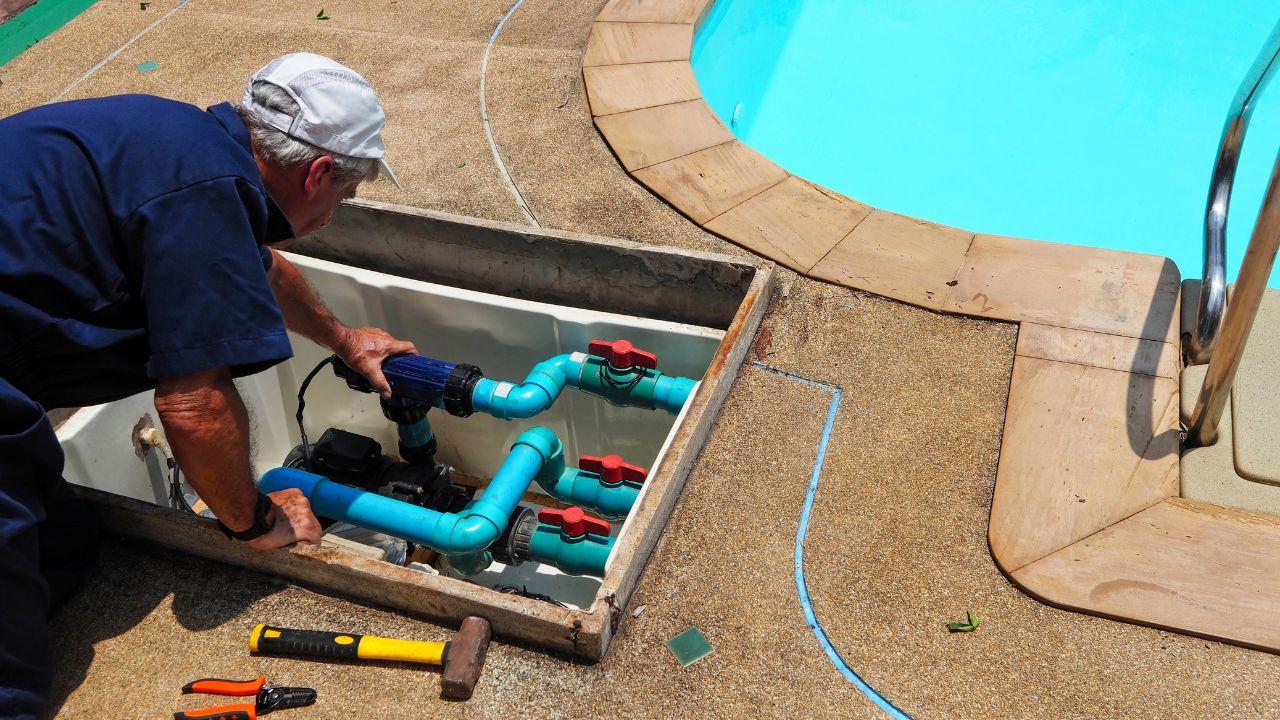
A Swimming Pool Maintenance Contractor in Singapore plays an important role in keeping residential and commercial pools clean, safe, and comfortable. Singapore’s tropical climate, frequent rain, humidity, and year-round heat can create several pool maintenance challenges. With proper care from Infinity Pool Services Pte Ltd, these problems can be identified early and managed effectively.
Why Swimming Pool Maintenance Matters in Singapore
Swimming pools require more than occasional cleaning. They are exposed to sunlight, rainwater, airborne dirt, leaves, insects, and changing weather conditions every day. Without regular maintenance, small problems can quickly become expensive repairs.
Singapore’s warm and humid environment can also encourage the growth of algae and microorganisms when water chemistry is not properly controlled. Regular maintenance helps keep the water clear while protecting pool surfaces, pumps, filters, and other equipment.
A professional Swimming Pool Maintenance Contractor in Singapore can establish a consistent maintenance routine based on the pool’s size, usage, equipment, and surrounding environment.
1. Cloudy or Murky Pool Water
One of the most common swimming pool problems is cloudy water. A pool may look slightly hazy even when it appears relatively clean at first glance.
Several factors can contribute to cloudy water, including:
-
Incorrect pH levels
-
Poor filtration
-
Insufficient sanitisation
-
Excessive debris
-
High swimmer activity
-
Environmental contaminants
When the water chemistry is not balanced, the pool may lose its clear appearance. A blocked or poorly functioning filter can make the problem worse because suspended particles are not removed efficiently.
Regular water testing, filter cleaning, and appropriate chemical treatment can help restore water clarity. Instead of simply adding more chemicals, it is important to identify the underlying cause.
2. Algae Growth
Algae can become a frustrating issue for pool owners. Green, yellow, or other forms of algae may develop when the pool does not receive sufficient circulation and sanitisation.
Warm weather can make algae management particularly important. If algae are allowed to grow, they can spread across pool walls, floors, steps, and other surfaces.
Common signs include:
-
Greenish water
-
Slippery pool surfaces
-
Green or yellow patches
-
Unpleasant-looking water
-
Increased chemical demand
Preventive maintenance is generally easier than dealing with a significant algae problem. Consistent circulation, proper filtration, regular brushing, and appropriate water treatment can reduce the conditions that allow algae to develop.
3. Unbalanced Pool Water Chemistry
Maintaining proper water chemistry is one of the most important parts of pool care. The pH, sanitiser levels, alkalinity, and other water parameters need to be monitored regularly.
If the pH is too high or too low, several problems may occur. Unbalanced water can affect swimmer comfort and may also contribute to problems involving pool surfaces and equipment.
For example, incorrect chemistry may contribute to:
-
Scale formation
-
Corrosion
-
Irritation
-
Reduced sanitiser effectiveness
-
Water discolouration
A professional maintenance team can test the water and make appropriate adjustments instead of relying on guesswork.
4. Dirty or Clogged Pool Filters
The filtration system is essential because it helps remove particles and contaminants from the water. However, filters can become dirty or clogged over time.
A heavily loaded filter may reduce water circulation and make the pool appear cloudy. It can also place additional strain on the circulation system.
Depending on the type of filter installed, maintenance may involve cleaning, backwashing, replacing filter media, or changing cartridges according to manufacturer recommendations.
Regular filter inspection should therefore be part of any pool maintenance schedule.
5. Pool Pump Problems
The pool pump is another critical component. It moves water through the filtration and circulation system, helping maintain consistent water movement.
Common pump-related problems include unusual noises, reduced water flow, leaks, overheating, and difficulty starting.
Ignoring unusual pump behaviour can allow a relatively small issue to develop into a larger equipment problem. If the pump is not circulating water properly, filtration and chemical distribution may also be affected.
This is why a Swimming Pool Maintenance Contractor in Singapore should inspect important equipment as part of routine servicing rather than focusing only on visible pool cleaning.
6. Poor Water Circulation
Even when a pump is running, circulation may not always be effective. Blocked pipes, dirty filters, incorrect valve settings, or equipment problems can reduce water movement.
Poor circulation can create areas where debris accumulates or chemicals are not distributed evenly. Some parts of the pool may therefore experience different water conditions from others.
Regular inspection of pumps, filters, skimmers, return jets, and related components can help identify circulation issues early.
7. Pool Surface Stains
Pool surfaces can develop stains for different reasons. Leaves, dirt, metals, organic materials, and water chemistry issues can all contribute to discoloration.
Some stains may appear as brown, green, yellow, or other coloured marks. Simply scrubbing the surface may not always solve the problem because the correct treatment depends on the cause.
Professional inspection can help determine whether a stain is related to environmental debris, chemical imbalance, metal deposits, or another issue.
8. Scale and Mineral Deposits
Hard-water conditions and improper water balance can contribute to mineral deposits on pool surfaces and equipment.
Scale may appear as rough or whitish deposits around waterlines, tiles, fittings, and other areas. Over time, excessive deposits can affect the appearance of the pool and potentially interfere with equipment performance.
Maintaining appropriate water chemistry and keeping surfaces clean can help minimise the development of scale.
9. Debris and Leaves
Outdoor pools naturally collect leaves, dust, insects, and other debris. Singapore’s weather conditions can make this a recurring maintenance task.
If debris is left in the pool for too long, it can affect water quality and place additional demands on filtration systems. Organic debris can also contribute to water contamination as it breaks down.
Routine skimming and cleaning are simple but important steps. For busy homeowners or commercial property managers, scheduled professional maintenance can make this task much easier to manage.
10. Pool Tile and Grout Problems
Tiles and grout are exposed to pool water and chemicals continuously. Over time, they can become dirty, stained, or affected by deposits.
Grout lines may also collect dirt and other contaminants, making the pool look less attractive even when the water itself is clean.
Regular surface cleaning helps maintain the appearance of the pool. Professional servicing can also identify areas where damaged grout, loose tiles, or other surface issues may require attention.
11. Water Level Problems
Pool water levels can change because of evaporation, rainfall, splashing, cleaning activities, or leaks.
Singapore’s hot and humid weather can contribute to regular evaporation, while heavy rain can cause water levels to rise unexpectedly. Maintaining an appropriate water level is important because the circulation and skimming systems are designed to operate within a suitable range.
If water levels are changing unusually quickly, the cause should be investigated rather than simply adding or removing water repeatedly.
12. Pool Leaks
A leak can be one of the more serious maintenance problems because it may not always be immediately visible.
Possible signs include:
-
Unusual water loss
-
Constantly decreasing water levels
-
Wet areas around equipment
-
Unexpectedly high water usage
-
Damage around pool structures
Not every reduction in water level means there is a structural leak because evaporation and normal pool activity also cause water loss. However, unusual or persistent water loss deserves professional attention.
13. Chemical Odour and Swimmer Discomfort
Many people associate a strong chemical smell with a clean pool. In reality, an unusual chemical odour can indicate that the water chemistry needs attention.
Poorly balanced water can also contribute to discomfort for swimmers. Rather than adding chemicals based solely on smell or appearance, pool water should be tested to determine what adjustments are actually necessary.
Consistent testing and maintenance provide a more reliable approach to water quality.
14. Skimmer and Drain Blockages
Skimmers and drains help move water through the pool circulation system. Leaves, hair, dirt, and other debris can accumulate in these areas.
A blocked skimmer can reduce effective surface cleaning and interfere with normal circulation. Regular inspection and cleaning can help prevent unnecessary strain on the system.
These components should also be checked carefully during routine maintenance so that potential problems can be addressed before they become disruptive.
15. Equipment Wear and Unexpected Breakdowns
Pool equipment does not last forever. Pumps, filters, valves, heaters, control systems, and other components can experience normal wear and tear.
Waiting until a component completely fails can lead to unexpected downtime and potentially higher repair costs. Preventive inspection allows maintenance professionals to identify unusual sounds, leaks, corrosion, reduced performance, and other warning signs.
Infinity Pool Services Pte Ltd can help pool owners maintain a more consistent maintenance routine by focusing on both visible cleanliness and the condition of essential equipment.
How Professional Pool Maintenance Helps
Hiring a Swimming Pool Maintenance Contractor in Singapore can make pool ownership easier because maintenance involves several tasks that need to be performed consistently.
A professional maintenance routine may include:
-
Water quality testing
-
Chemical balancing
-
Pool surface cleaning
-
Skimming and debris removal
-
Filter inspection
-
Pump inspection
-
Equipment checks
-
Tile and waterline cleaning
-
Algae prevention
-
General pool condition assessment
The exact maintenance schedule depends on factors such as pool size, frequency of use, surrounding environment, and equipment type.
Preventive Maintenance Is Better Than Waiting for Problems
One of the biggest mistakes pool owners can make is waiting until something goes wrong before arranging maintenance. A pool that looks clean from the surface can still have problems with water chemistry, filtration, circulation, or equipment.
Preventive maintenance provides an opportunity to identify issues while they are still manageable. It can also help extend the useful life of pool equipment and maintain a more pleasant swimming environment.
For residential pools, regular servicing can reduce the workload for homeowners. For commercial pools, consistent maintenance is particularly important because the pool may experience significantly higher usage.
Creating a Practical Pool Maintenance Schedule
A good maintenance schedule should be realistic and consistent. Depending on the pool, some tasks may need frequent attention while others can be performed periodically.
Daily or frequent checks may include observing water clarity, debris levels, and equipment operation. Routine servicing can involve water testing, cleaning, filter maintenance, and equipment inspection.
More detailed inspections can be scheduled periodically to assess pumps, filtration systems, fittings, surfaces, and other components.
Working with Infinity Pool Services Pte Ltd can help property owners establish a maintenance routine suited to their specific pool instead of relying on occasional cleaning.
Choosing the Right Pool Maintenance Professional
When selecting a Swimming Pool Maintenance Contractor in Singapore, pool owners should consider more than just the cleaning service itself.
Important factors include:
-
Experience with different pool systems
-
Knowledge of water chemistry
-
Equipment maintenance capabilities
-
Consistent service schedules
-
Clear communication
-
Ability to identify potential problems
-
Understanding of Singapore’s local climate
A professional contractor should approach maintenance as a combination of cleaning, water management, inspection, and preventive care.
Final Thoughts
Common swimming pool problems in Singapore include cloudy water, algae growth, chemical imbalance, clogged filters, pump issues, poor circulation, stains, scale, debris, and equipment wear. Most of these issues can be managed more effectively through regular inspection and preventive maintenance. Working with Infinity Pool Services Pte Ltd can help pool owners maintain cleaner water, better-performing equipment, and a more enjoyable swimming environment.
A reliable Swimming Pool Maintenance Contractor in Singapore can take care of routine maintenance while helping identify potential problems before they become major repairs. With a consistent maintenance plan and professional attention, Singapore pool owners can keep their pools clean, functional, and ready for use throughout the year.

 English
 Arabic
 French
 Spanish
 Portuguese
 Deutsch
 Turkish
 Italiano
 Russian
 Romaian
 Portuguese (Brazil)
 Greek
Greek