


When Should You Hire a Waterproofing Specialist in Singapore?
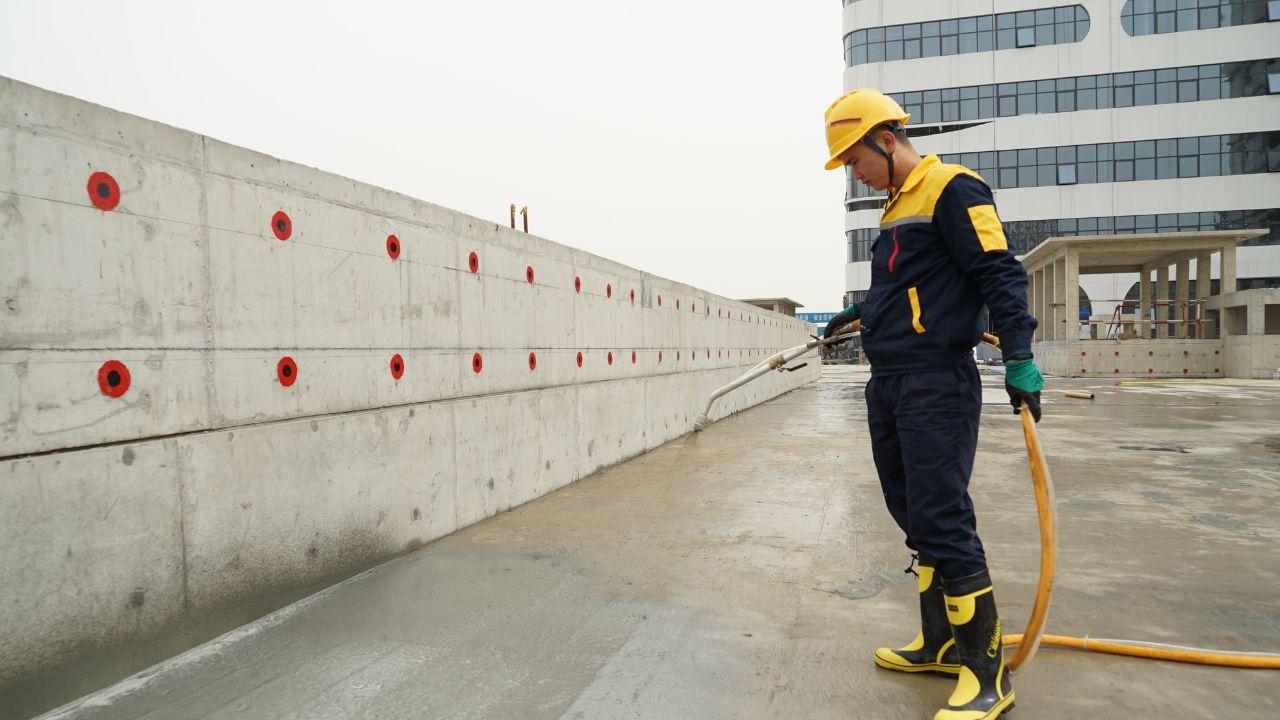
Water damage can start with a small stain and develop into costly structural problems. Knowing when to call a waterproofing specialist in Singapore can help property owners address leaks before they worsen. From recurring ceiling stains to bathroom seepage, early professional attention can protect your property and prevent unnecessary repair expenses.
Why Waterproofing Matters in Singapore
Singapore's tropical climate brings high humidity, frequent rainfall, and intense storms, making buildings particularly vulnerable to moisture-related problems. Although modern buildings are designed with waterproofing systems, these systems can deteriorate over time due to weather exposure, movement, aging materials, and poor installation.
Waterproofing is not simply about stopping visible leaks. A properly maintained waterproofing system helps prevent moisture from entering walls, ceilings, floors, balconies, rooftops, and other vulnerable areas.
Ignoring early warning signs can allow water to travel through concealed spaces. By the time the damage becomes obvious, the repair may involve more than simply sealing a crack.
Professional waterproofing can help protect:
-
Roofs and rooftop structures
-
Bathrooms and wet areas
-
Balconies and terraces
-
External walls
-
Basement areas
-
Concrete slabs
-
Windows and façade joints
-
Swimming pools and water-retaining structures
Signs That You May Need Professional Waterproofing
Not every damp spot requires the same solution. However, certain warning signs indicate that it may be time to consult a waterproofing specialist in Singapore.
1. Recurring Water Leaks
If a leak keeps returning after temporary repairs, there may be an underlying waterproofing problem.
For example, you may notice water dripping from a ceiling whenever it rains. Applying sealant to the visible area might provide temporary relief, but the actual source could be a roof, balcony, external wall, or drainage-related issue.
Recurring leaks should be investigated rather than repeatedly patched.
A professional can inspect the affected area and determine where the water is entering before recommending an appropriate repair method.
2. Damp or Discoloured Ceiling
Brown, yellow, or dark patches on a ceiling can indicate water infiltration. Sometimes the affected area remains damp even after several days of dry weather.
This can happen when moisture has accumulated inside the ceiling or concrete structure.
If the stain continues to grow or returns after repainting, the problem should not be treated as merely cosmetic. Identifying and addressing the moisture source is usually more important than covering the stain.
3. Peeling Paint or Bubbling Walls
Paint that begins to peel, blister, or bubble may be exposed to excessive moisture.
This is particularly noticeable around:
-
Bathrooms
-
Kitchens
-
Windows
-
External walls
-
Balconies
-
Areas beneath pipes
While damaged paint can be replaced, repainting without resolving the moisture problem may only provide a short-term improvement.
4. Mould and Persistent Musty Odours
Persistent dampness can create an environment where mould and mildew become more likely to develop.
If mould repeatedly appears in the same location despite cleaning, there could be an ongoing moisture source behind the surface.
Repeated mould growth should prompt an investigation into the cause of the moisture, especially in enclosed or poorly ventilated areas.
5. Cracks in Concrete or Walls
Small cracks are common in buildings, but not every crack should be ignored.
Some cracks may allow rainwater or moisture to penetrate the building envelope. Cracks around balconies, rooftops, external walls, bathrooms, and concrete structures deserve particular attention when accompanied by dampness or water stains.
A professional inspection can help determine whether waterproofing, crack repair, drainage improvements, or another solution is appropriate.
When Should You Hire a Waterproofing Professional?
There are several situations where professional waterproofing services make sense.
When Temporary Repairs Keep Failing
DIY sealants and basic patching products can sometimes address minor surface issues. However, if the same leak returns repeatedly, continuing to apply temporary solutions may not solve the underlying problem.
A professional can investigate the source instead of treating only the visible symptom.
If you have already attempted several repairs and the problem keeps returning, professional assessment is worthwhile.
Before a Major Renovation
Renovation is an excellent opportunity to inspect waterproofing systems in areas that will soon be covered by new tiles, flooring, walls, or fixtures.
For example, if you are renovating a bathroom, checking the waterproofing layer before installing new tiles can help prevent future water-related problems.
Once new finishes have been installed, accessing the underlying waterproofing system may become more difficult and expensive.
Before Buying or Selling a Property
Water damage can affect the condition and long-term maintenance requirements of a property.
If you are purchasing a property, visible water stains, damp walls, cracked surfaces, or musty smells should not be ignored. A professional assessment can provide useful information about potential waterproofing concerns.
Similarly, property owners preparing to sell may want to resolve known water-related issues before putting the property on the market.
After Heavy Rain or Severe Weather
Heavy rainfall can expose weaknesses in roofs, balconies, external walls, windows, and drainage systems.
After significant weather events, check for new signs such as:
-
Water stains
-
Damp walls
-
Ceiling leaks
-
Pooling water
-
Cracked sealants
-
Damaged roof surfaces
-
Moisture around windows
If these problems appear after rain and continue afterward, professional inspection may be necessary.
Areas That Commonly Need Waterproofing in Singapore
Different parts of a property can experience different types of water intrusion.
Bathrooms and Wet Areas
Bathrooms are exposed to water every day. Over time, waterproofing membranes, joints, grout, and sealants can deteriorate.
Water may then penetrate beneath tiles or into surrounding walls.
Common signs include dampness in adjacent rooms, stains on lower walls, loose tiles, or water appearing below the bathroom.
Roofs and Rooftops
Roofs receive continuous exposure to rain, sunlight, temperature changes, and environmental conditions.
Small cracks or deteriorated waterproofing layers can eventually allow water to enter the building.
Roof leaks should be investigated at the source, because water can travel along structural elements before appearing inside the building.
Balconies and Terraces
Balconies are particularly exposed to rainfall. Drainage problems combined with damaged waterproofing can result in standing water and seepage.
Pay attention to cracked tiles, deteriorated joints, blocked drains, and damp areas beneath balconies.
External Walls
Rainwater can penetrate external walls through cracks, joints, damaged coatings, or poorly sealed openings.
Water may then appear internally as damp patches, peeling paint, or mould.
Why Early Waterproofing Repairs Can Be More Practical
One of the biggest advantages of addressing waterproofing problems early is that smaller issues may require less extensive intervention.
A minor crack or deteriorated joint may be easier to address than widespread water damage affecting multiple surfaces.
Delaying repairs can potentially result in:
-
More extensive dampness
-
Damaged interior finishes
-
Mould growth
-
Deterioration of building materials
-
Repeated maintenance costs
-
Disruption to occupants
This does not mean every visible water stain requires an expensive waterproofing project. Instead, it means that identifying the cause early can help property owners make informed maintenance decisions.
What Does a Waterproofing Specialist Do?
A waterproofing specialist in Singapore typically begins by examining the affected area and looking for possible sources of water intrusion.
Depending on the property and problem, the assessment may involve inspecting surfaces, cracks, joints, drainage points, roof areas, bathrooms, or other vulnerable locations.
Identifying the Source
The visible location of a leak is not necessarily the point where water entered.
For example, water entering through a rooftop can travel before appearing as a ceiling stain somewhere else.
Therefore, source identification is an important part of effective waterproofing repair.
Recommending a Suitable Solution
Different waterproofing problems require different approaches. Depending on the situation, solutions may involve membrane systems, crack sealing, joint treatment, protective coatings, or other specialized methods.
The appropriate method depends on factors such as the affected surface, severity of the problem, building condition, and source of moisture.
Repair and Preventive Maintenance
Professional waterproofing is not only about repairing an existing leak. Preventive maintenance can also help identify vulnerable areas before they develop into larger problems.
Working with an experienced company such as Allseal Waterproofing PTE Ltd can help property owners understand the condition of affected areas and determine suitable waterproofing options.
How to Choose the Right Waterproofing Company
When selecting a waterproofing contractor, avoid making your decision based solely on the lowest quotation.
Consider the company's experience, service scope, inspection process, workmanship, and ability to explain the proposed solution clearly.
Look for Relevant Experience
Waterproofing requirements can differ significantly between a bathroom, rooftop, balcony, and external wall.
Choose a company that understands the type of waterproofing problem affecting your property.
Ask About the Cause of the Problem
A reliable contractor should be interested in determining why the leak is happening, not simply covering the visible damage.
Ask what was inspected, where the water may be entering, and why the recommended treatment is appropriate.
Understand the Proposed Repair
Before approving work, ask about the repair method, materials, preparation requirements, expected duration, and maintenance considerations.
Clear communication can help you understand exactly what you are paying for.
Consider a Professional Inspection
If you're uncertain whether a problem requires waterproofing, an inspection can be a sensible first step.
Allseal Waterproofing PTE Ltd can be considered when Singapore property owners need professional attention for water leakage and waterproofing concerns.
Don't Wait Until Water Damage Becomes Severe
Waterproofing problems rarely become easier to manage simply because they are ignored. A small stain today may indicate moisture entering through another part of the building.
However, property owners should also avoid assuming that every crack or damp patch requires complete waterproofing replacement.
The best approach is to identify the source, assess the severity, and choose a solution based on the actual condition of the property.
If you're experiencing recurring leaks, dampness, mould, peeling paint, or water seepage, consulting a waterproofing specialist in Singapore can help you understand the problem before deciding on repairs.
Conclusion
Hiring a waterproofing specialist in Singapore is especially important when leaks keep returning, dampness spreads, or visible damage appears after rain. Early professional assessment can help identify the source and determine an appropriate solution. For waterproofing concerns, Allseal Waterproofing PTE Ltd can help property owners address moisture-related problems professionally.

 Arabic
 French
 Spanish
 Portuguese
 Deutsch
 Turkish
 Dutch
Dutch
 Italiano
 Russian
 Romaian
 Portuguese (Brazil)
 Greek
Greek