


How Seasonal Garden Consultation Keeps Your Landscape Healthy
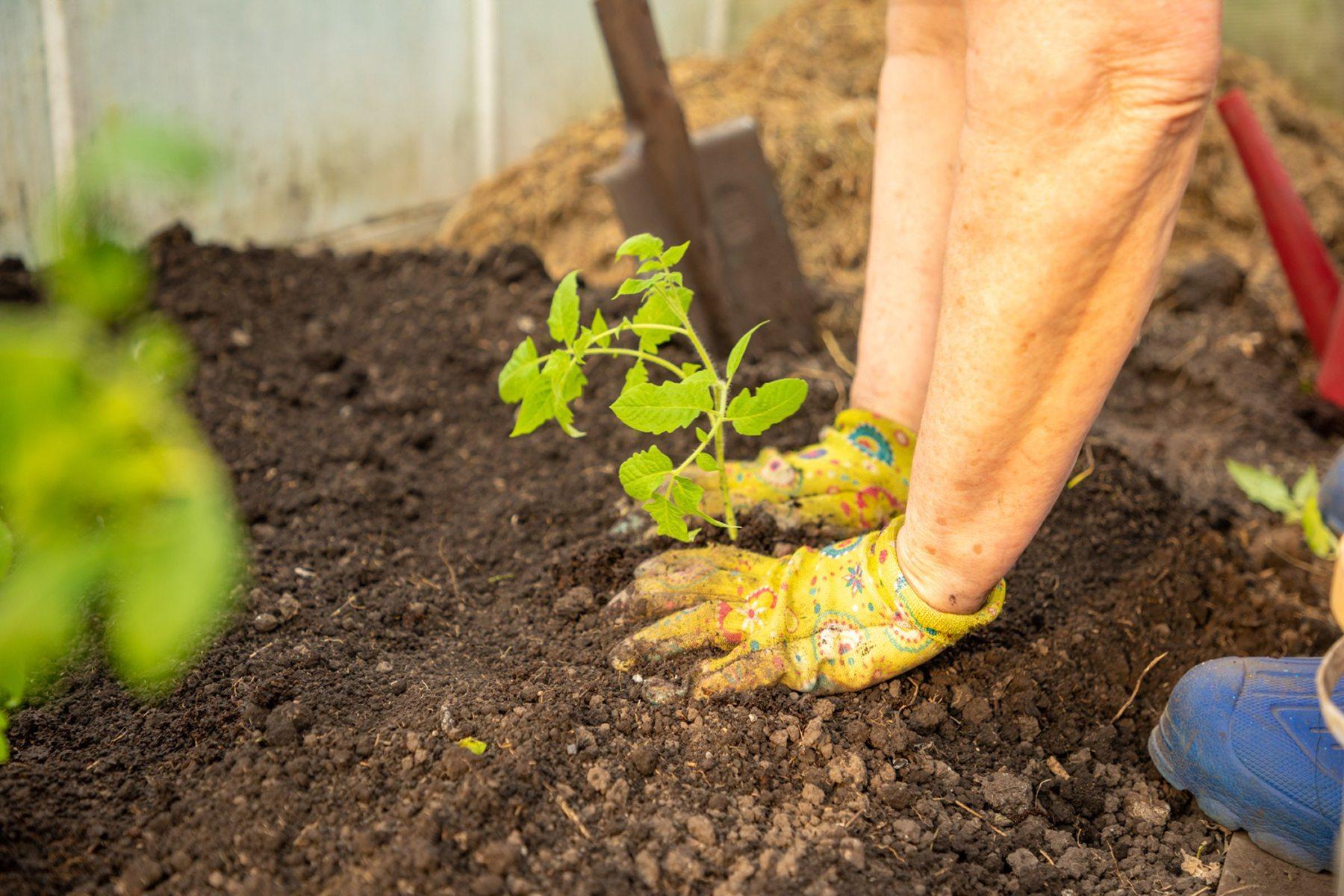
A beautiful garden needs more than occasional watering and trimming. Plants, soil, and outdoor spaces change throughout the year, and each season brings different gardening needs. A garden consultation can help homeowners understand these changes and make informed decisions about maintaining a healthy, attractive landscape throughout the year.
Professional garden advice can identify potential problems early, recommend suitable plants and maintenance practices, and help ensure that the garden continues to thrive as the seasons change.
Understanding Seasonal Garden Needs
Every season affects a garden differently. Spring is often the time when plants begin active growth, making it an ideal period for pruning, planting, soil preparation, and assessing winter damage. Summer can bring heat, drought, pests, and increased watering requirements. Fall is suitable for preparing plants and soil for colder weather, while winter requires protection for sensitive plants and planning for the upcoming growing season.
During a garden consultation, these seasonal changes can be considered when creating a practical maintenance plan. Instead of following the same routine throughout the year, homeowners can adjust their gardening approach based on weather conditions and plant requirements.
Identifying Plant Health Problems Early
One of the important benefits of seasonal garden consultation is early problem identification. Plants can develop issues such as pest infestations, fungal diseases, poor growth, nutrient deficiencies, or damage caused by excessive moisture or drought.
Some problems may not be immediately obvious to homeowners. Yellowing leaves, weak growth, damaged stems, or changes in soil condition can sometimes indicate an underlying issue.
A professional consultation can help determine what may be affecting the garden and suggest appropriate steps. Addressing smaller problems early can help prevent them from becoming more difficult and expensive to manage later.
Choosing the Right Plants for Each Season
Plant selection plays an important role in maintaining a healthy landscape. Not every plant performs well in the same conditions, and factors such as sunlight, soil type, drainage, temperature, and available space can influence plant health.
Seasonal garden planning can help homeowners determine which plants are appropriate for different areas of the garden. It can also help create a landscape with a variety of plants that provide interest throughout the year.
Choosing plants that are suited to the local growing conditions can also reduce unnecessary maintenance and help plants establish more successfully.
Improving Soil and Water Management
Healthy soil provides the foundation for a healthy garden. Seasonal changes can affect soil moisture, nutrient availability, drainage, and overall structure. A garden consultation can help homeowners identify whether their soil may need improvements such as compost, organic matter, or other suitable treatments.
Water management is equally important. Overwatering can contribute to root problems, while insufficient water can cause stress during hot and dry periods. Seasonal advice can help determine appropriate watering practices and identify areas where drainage may need attention.
Preparing Your Garden for Seasonal Changes
Preparation can make a significant difference in how a landscape handles changing weather conditions. Before summer, a garden may need attention to watering systems, mulching, shade, and heat-sensitive plants. Before winter, certain plants may require pruning, protection, or other preparation.
Regular consultations can provide homeowners with a seasonal checklist based on their specific garden. This makes it easier to complete important tasks at the right time rather than reacting to problems after they occur.
Creating a Long-Term Garden Maintenance Plan
A garden consultation is not only about solving immediate problems. It can also support long-term landscape planning. By understanding how a garden responds to different seasons, homeowners can develop a maintenance routine that supports healthy plant growth and keeps the outdoor space looking its best.
Seasonal planning can also make gardening more manageable by organizing tasks throughout the year. Instead of dealing with everything at once, homeowners can focus on the work that matters most during each season.
Keep Your Garden Healthy Throughout the Year
A landscape is constantly changing, and its maintenance needs change along with it. Garden consultation provides an opportunity to evaluate plant health, soil conditions, watering practices, seasonal risks, and future garden improvements.
With the right seasonal planning, homeowners can create a healthier and more manageable outdoor space. Regular professional guidance can help identify issues early, make better planting decisions, and keep the garden attractive through every season.
 Portuguese
 English
 Arabic
 French
 Spanish
 Deutsch
 Turkish
 Dutch
 Italiano
 Russian
 Romaian
 Portuguese (Brazil)
 Greek
