


PRP Hair Treatment: A Beginner’s Guide
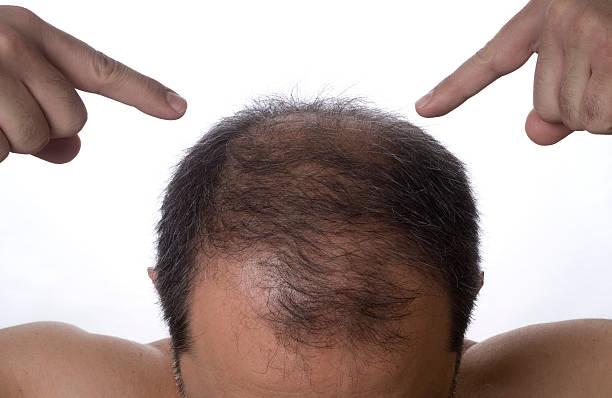
Hair thinning and excessive shedding can affect confidence, especially when the scalp becomes increasingly visible or the hair loses its former density. PRP Hair Treatment in Riyadh is a regenerative approach that uses components from your own blood to support the scalp and create a more favorable environment for hair growth. Unlike a hair transplant, PRP does not involve transferring hair follicles from one area to another, making it an option worth discussing with a qualified hair specialist for certain types of hair loss.
What Is PRP Hair Treatment?
PRP stands for platelet-rich plasma, a concentrated portion of blood containing platelets and various growth-related proteins. During treatment, a small blood sample is collected and processed to separate the plasma portion from other blood components. The resulting PRP is then prepared for application to selected areas of the scalp. The objective is to deliver these naturally occurring components directly where support may be needed.
How Does PRP Work for Hair Growth?
The treatment works by concentrating platelets from the patient's own blood and introducing them into areas of the scalp affected by thinning. Platelets contain signaling substances involved in tissue repair and healing. When PRP is injected into the scalp, these substances may help support cellular activity around existing hair follicles. The goal is not to instantly create new hair but to encourage healthier follicular function over time.
The Blood Collection Process
A typical session begins with collecting a small amount of blood from the patient. The sample is placed into specialized equipment that separates its components, allowing the platelet-rich portion to be prepared for treatment. This process is performed under appropriate clinical conditions to ensure that the prepared PRP is handled safely.
Preparing the Platelet-Rich Plasma
Once the blood has been processed, the platelet-rich portion is separated and prepared for scalp application. The concentration and preparation technique can vary according to the treatment protocol and the patient's individual needs. A consultation helps determine whether PRP is appropriate and how the treatment should be planned.
Injecting PRP Into the Scalp
The prepared PRP is carefully introduced into selected areas of the scalp using multiple small injections. Treatment areas generally correspond to regions where thinning or reduced density has been identified. A clinician may assess the pattern of hair loss before treatment to determine where the injections should be concentrated.
Who May Consider PRP Hair Treatment?
PRP may be considered by people experiencing certain forms of hair thinning or early-to-moderate hair loss, particularly when viable hair follicles remain. However, not every type of hair loss responds in the same way. The underlying cause, pattern, scalp condition, overall health, and follicle status can all influence whether PRP is suitable. A professional assessment is therefore an important first step.
What Can You Expect After Treatment?
Most patients do not see dramatic changes immediately because hair growth occurs gradually. Some people may experience temporary redness, tenderness, swelling, or sensitivity around injection sites. These effects generally settle as the scalp recovers. Your provider can explain appropriate aftercare and advise when normal hair-care activities can be resumed.
When Do PRP Results Become Noticeable?
Hair growth follows a natural cycle, so improvements typically require patience. Changes may become noticeable progressively rather than immediately after one session. Treatment plans can involve multiple sessions spaced over time, depending on the patient's condition and clinical assessment. Follow-up appointments can help evaluate changes in hair density and determine whether additional treatment is appropriate.
Benefits and Limitations of PRP for Hair Loss
One notable feature of PRP Hair Treatment in Riyadh is that it uses material obtained from the patient's own blood. It is a minimally invasive procedure and does not require surgical follicle transplantation. However, PRP is not a guaranteed solution for every cause of hair loss, and results can differ between individuals. Understanding the underlying diagnosis is essential before choosing treatment.
Is PRP Different From a Hair Transplant?
PRP and hair transplantation serve different purposes. PRP is designed to support existing follicles and scalp health, whereas a hair transplant involves surgically relocating follicles from a donor area to areas with insufficient hair. Some treatment plans may consider regenerative therapies alongside other approaches, depending on the diagnosis and patient's goals.
Why Professional Assessment Matters
Hair loss can have numerous causes, including hereditary patterns, hormonal changes, nutritional factors, stress, medical conditions, and scalp disorders. Because treatment effectiveness depends partly on the underlying cause, a proper assessment should come before starting therapy. A qualified clinician can examine the scalp, discuss medical history, and determine whether PRP is an appropriate option.
Book an Appointment at Royal Clinic Saudia
If you are concerned about thinning hair or ongoing shedding, PRP Hair Treatment in Riyadh can be discussed with the specialists at Royal Clinic Saudia. A personalized consultation can help identify the likely cause of your hair concerns and determine whether PRP or another treatment approach is suitable for your needs.
FAQs:
Is PRP painful?
PRP involves multiple small scalp injections, so some patients may experience brief discomfort or sensitivity during the procedure. Your clinician can discuss ways to make the session more comfortable.
How long does a PRP hair treatment session take?
The appointment includes blood collection, preparation of the PRP, and scalp injections. The total time can vary depending on the treatment plan and the areas being addressed.
Can PRP completely stop hair loss?
PRP is not guaranteed to stop hair loss completely. Its potential benefits depend on the underlying cause, the condition of the hair follicles, and individual response to treatment.
How many PRP sessions are needed?
The number of sessions varies according to the patient's hair-loss pattern and treatment goals. A specialist can recommend an appropriate schedule after evaluating the scalp and hair condition.

 Arabic
 French
 Spanish
 Portuguese
 Deutsch
 Turkish
 Dutch
Dutch
 Italiano
 Russian
 Romaian
 Portuguese (Brazil)
 Greek
Greek