Liposuction is a surgical body-contouring procedure that can help remove localized deposits of subcutaneous fat from selected areas of the body. While the procedure can improve body contours for suitable patients, understanding safety requirements and the recovery process is essential before treatment. Anyone considering liposuction should have a thorough consultation to discuss medical suitability, potential risks, preparation, and postoperative care.
Why Safety Matters in Liposuction
Liposuction involves anesthesia, small surgical openings, tissue manipulation, and controlled removal of fat. As with any surgical procedure, appropriate patient selection, surgical planning, sterile conditions, monitoring, and postoperative care are important.
Safety begins before the procedure. A qualified medical professional should review the patient's health, medications, previous surgeries, allergies, and relevant medical history before creating a treatment plan.
Individual Assessment
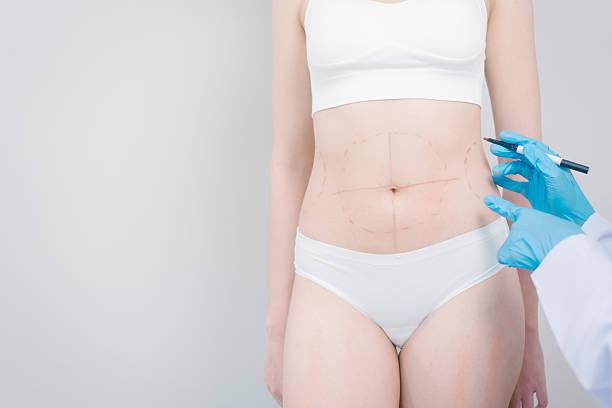
There is no single liposuction plan that is appropriate for everyone. The surgeon should evaluate the amount and location of subcutaneous fat, skin elasticity, body proportions, and the patient's overall health.
This assessment can also identify situations where liposuction may not adequately address the patient's primary concern.
Choosing an Appropriate Treatment Area
Liposuction can be used on several areas, including the abdomen, waist, hips, thighs, arms, back, and under the chin. However, treatment should be planned according to individual anatomy.
The surgeon considers how the selected area connects with surrounding body regions. Removing localized fat without considering these proportions could result in an uneven appearance.
For this reason, Liposuction in Riyadh should focus on controlled and individualized contouring rather than simply removing as much fat as possible.
Understanding Medical History Before Surgery
Patients should provide complete information about their health and medications. Certain medical conditions, medications, allergies, or previous procedures may influence surgical planning.
The surgical team may provide specific instructions regarding medications and supplements before the procedure. Patients should never stop prescribed medication without professional guidance.
Smoking and alcohol consumption may also be discussed because they can affect surgical preparation and healing.
Preparing for a Safe Procedure
Preoperative preparation varies depending on the planned surgery and individual circumstances. Patients may receive instructions about:
- Eating and drinking before surgery
- Medications and supplements
- Smoking and alcohol
- Personal hygiene
- Arranging transportation
- Preparing a comfortable recovery space
- Organizing assistance at home
Following these instructions carefully can help reduce avoidable problems and make the recovery period easier to manage.
What Happens During Liposuction?
During the procedure, anesthesia is administered according to the treatment plan. Small openings are made in the selected area, and a thin cannula is inserted to loosen and remove targeted subcutaneous fat.
The surgeon carefully controls fat removal to preserve natural proportions. Different liposuction techniques may be used depending on the treatment area, fat characteristics, and individual requirements.
The specific technique should be selected based on professional assessment rather than assuming that one method is appropriate for every patient.
Common Effects During Recovery
Swelling and bruising are common after liposuction. Patients may also experience tenderness, tightness, temporary numbness, or changes in skin sensation.
These effects generally improve as the body heals, although the duration varies between individuals.
A compression garment may be recommended to support the treated areas and help manage postoperative swelling.
The First Stage of Recovery
The initial recovery period typically focuses on rest, gentle movement, wound care, and following medical instructions.
Light walking may be encouraged when appropriate, while strenuous exercise and heavy lifting are usually restricted temporarily. The surgeon determines when specific activities can safely be resumed.
Patients should avoid trying to speed up recovery by returning to intense physical activity too early.
Managing Swelling and Bruising
Postoperative swelling can make the treated area look different from the expected final result. It gradually decreases as healing progresses.
Patients should use compression garments, medications, or other aftercare measures only according to their surgeon's instructions. Aggressive massage or other treatments should not be performed unless specifically recommended.
Regular follow-up appointments can help monitor the healing process.
When Do Results Become Visible?
Some contour changes may be visible after the initial swelling begins to settle, but the final appearance develops gradually.
The timeline varies depending on the extent of treatment, number of areas treated, individual healing response, and postoperative care.
With Liposuction in Riyadh, patients should be patient during the healing period and avoid evaluating the final outcome too early.
Warning Signs During Recovery
While some discomfort and swelling are expected, patients should contact their surgical team if they develop symptoms that are severe, unusual, or worsening.
Potential warning signs can include significant bleeding, severe or increasing pain, fever, signs of infection, breathing difficulties, chest pain, or sudden unusual swelling.
Urgent symptoms should receive prompt medical attention rather than being managed at home.
Factors That Can Support Recovery
Patients can support the recovery process by following their personalized aftercare plan. This may include:
- Getting sufficient rest
- Following medication instructions
- Wearing compression garments when advised
- Keeping incision areas clean as directed
- Maintaining gentle movement when permitted
- Avoiding strenuous activity until cleared
- Eating a balanced diet and staying adequately hydrated
- Attending follow-up appointments
Individual instructions should always take priority over general recovery advice.
Long-Term Safety and Results
Liposuction permanently removes fat cells from the treated area, but it does not prevent future weight gain. Remaining fat cells can enlarge when significant weight is gained.
Maintaining a relatively stable weight can help preserve the body contour achieved through surgery.
Patients should also remember that liposuction does not directly treat visceral fat or significant loose skin. If either is a major concern, the surgeon may discuss other approaches.
Understanding Potential Risks
Potential complications of liposuction can include infection, bleeding, fluid accumulation, prolonged swelling, changes in sensation, contour irregularities, asymmetry, and scarring.
More serious complications are possible with surgery, which is why appropriate patient selection, surgical planning, anesthesia management, monitoring, and follow-up care are important.
A qualified surgeon should explain the potential risks relevant to the individual's treatment before surgery.
Making an Informed Treatment Decision
Safety and recovery should be considered alongside the desired cosmetic outcome. Patients should understand what liposuction can and cannot accomplish and have realistic expectations about the healing process.
A detailed consultation allows the surgeon to evaluate suitability, explain the proposed technique, discuss potential risks, and provide personalized preparation and recovery instructions.
Book Your Appointment at Royal Clinic Saudia
If you are considering Liposuction in Riyadh, Royal Clinic Saudia can provide a personalized consultation to discuss your body-contouring goals, suitability, safety considerations, and expected recovery. A professional assessment can help you understand the treatment process before making an informed decision.
FAQs:
Is liposuction considered safe?
Liposuction can be performed safely in suitable patients when appropriate surgical planning, medical assessment, and postoperative care are provided.
How long does swelling last after liposuction?
Swelling gradually decreases during recovery, but some residual swelling may continue for several weeks or longer.
What should I avoid after liposuction?
Strenuous exercise and heavy lifting should generally be avoided until your surgeon confirms that they are appropriate.
When should I contact my surgeon after liposuction?
Contact your surgical team if you experience severe or worsening pain, significant bleeding, fever, signs of infection, breathing difficulties, or other unusual symptoms.




 English
 Arabic
 French
 Spanish
 Portuguese
 Turkish
 Dutch
Dutch
 Italiano
 Russian
 Romaian
 Portuguese (Brazil)
 Greek
Greek