


Heart Disorder Tests in Pune | Comprehensive Cardiac Screening
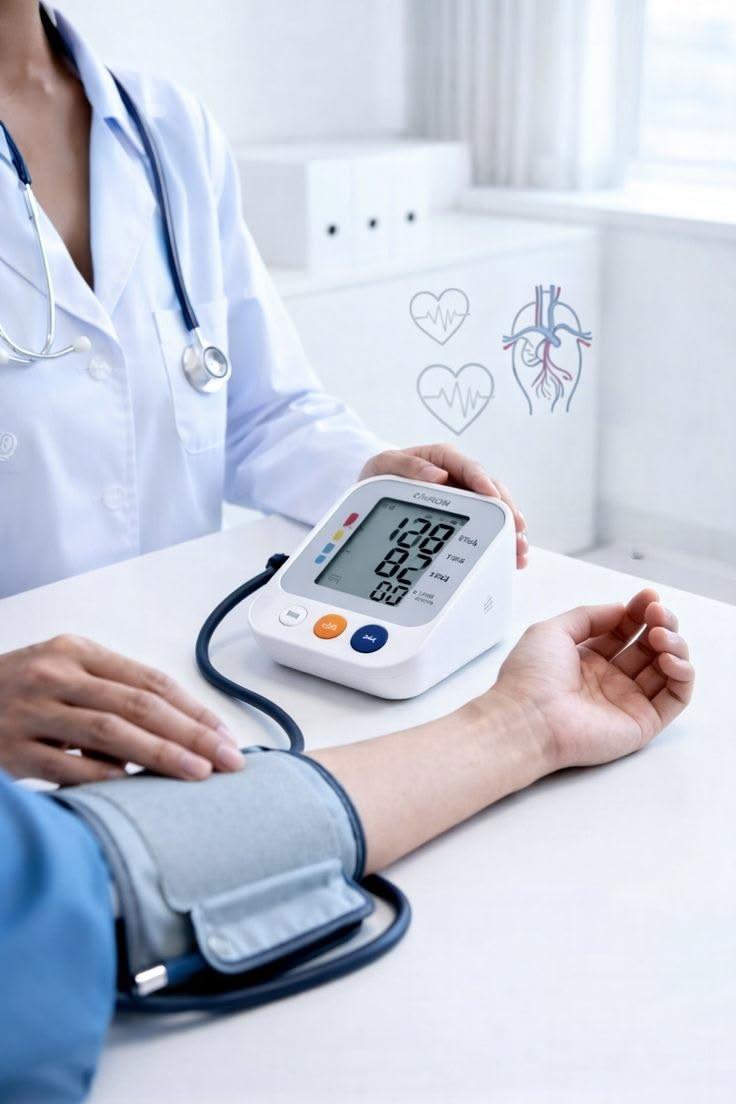
Heart-related concerns can be difficult to understand, especially when symptoms such as chest discomfort, unusual tiredness, breathlessness, dizziness, or an irregular heartbeat appear. In many cases, doctors recommend diagnostic tests to understand how the heart is functioning and to identify possible concerns at an early stage.
If you are searching for Heart Disorder Tests in Pune, understanding the different cardiac tests, why they are performed, how they work, and what to expect can help you prepare for your consultation.
A cardiac screening plan is not the same for everyone. The tests recommended by a doctor depend on your symptoms, medical history, age, risk factors, and initial examination.
What Are Heart Disorder Tests?
Heart disorder tests are diagnostic examinations used to assess the heart's electrical activity, rhythm, structure, blood flow, or related health factors.
A doctor may recommend one test or a combination of tests depending on what needs to be evaluated.
Common tests associated with cardiac assessment include:
- ECG (Electrocardiogram): Records the electrical activity and rhythm of the heart.
- Echocardiogram: Uses ultrasound to create images of the heart and assess its structure and movement.
- Blood Tests: Certain blood tests can provide information relevant to heart health, depending on the clinical situation.
- Blood Pressure Measurement: Helps assess blood pressure, which is an important part of cardiovascular health.
- Holter Monitoring: A portable device that records the heart's electrical activity over a longer period when continuous monitoring is needed.
- Stress Testing: Evaluates how the heart responds to physical activity or another controlled form of stress when recommended by a doctor.
Not every person needs all of these tests. A healthcare professional decides which investigations are appropriate.
Why Are Cardiac Tests Performed?
Heart tests may be recommended when a person has symptoms or when a doctor wants to assess cardiovascular risk.
Depending on the situation, testing may help doctors evaluate:
- Chest discomfort or pain
- Breathlessness
- Palpitations or an unusual awareness of the heartbeat
- Dizziness or fainting
- Unexplained fatigue
- Changes in heart rhythm
- Blood pressure-related concerns
- Certain existing health conditions
- Family or personal history that may increase cardiovascular risk
Testing can also be part of monitoring an already identified heart condition or assessing how a patient is responding to treatment.
Common Heart Disorder Tests in Pune
ECG Test
An ECG is one of the commonly used tests for checking the heart's electrical activity. Small sensors called electrodes are placed on the skin, usually on the chest and limbs.
The electrodes detect electrical signals produced by the heart, and the machine records them as a tracing.
An ECG is generally a quick procedure and does not involve injections or radiation.
Echocardiogram
An echocardiogram uses sound waves to produce images of the heart. It can help doctors assess aspects such as the heart's chambers, valves, movement, and pumping function.
During the examination, a trained professional places a handheld ultrasound device on the chest using a special gel.
The test is non-invasive, meaning it does not require an incision.
Blood Tests for Heart Health
Blood tests may be recommended as part of a broader cardiovascular assessment. Depending on the patient's situation, a doctor may consider tests that provide information about factors associated with heart health.
The exact tests required vary from person to person, so it is better to follow the test list provided by your doctor rather than choosing tests independently.
What Can You Expect During Cardiac Screening?
Your experience depends on the type of test being performed. Before the test, the diagnostic centre may provide specific instructions.
A typical process may include:
- Doctor's consultation or test recommendation: Your symptoms and medical history are considered.
- Test selection: The appropriate investigation is chosen based on the clinical requirement.
- Preparation: Some tests may require little or no preparation, while others may have specific instructions.
- Testing: The procedure is performed by trained healthcare professionals.
- Report generation: The results are reviewed and provided according to the diagnostic centre's reporting process.
- Medical interpretation: Your doctor interprets the results along with your symptoms, examination, and other relevant information.
Always follow the preparation instructions given by the healthcare professional or diagnostic centre.
How Much Do Heart Tests Cost in Pune?
The cost of cardiac testing can vary depending on several factors, including:
- Type of test
- Number of tests included
- Diagnostic centre
- Doctor or specialist consultation, where applicable
- Additional investigations recommended by the doctor
- Reporting and other service-related factors
Because cardiac screening is not a single standard test, it is advisable to check the current test requirements and applicable charges with the diagnostic centre before booking.
When Should You Consult a Doctor?
Do not ignore new, persistent, or concerning symptoms related to your heart.
Speak with a qualified healthcare professional if you experience symptoms such as recurring chest discomfort, unexplained breathlessness, frequent palpitations, dizziness, fainting, or unusual fatigue.
If you have sudden or severe chest pain, severe difficulty breathing, fainting, or other potentially serious symptoms, seek urgent medical attention rather than waiting for a routine diagnostic appointment.
Why Choose Diagnopein?
Diagnopein provides diagnostic and healthcare services with a focus on accessible, patient-oriented care. Depending on the service and centre, patients can access diagnostic investigations and related healthcare services.
Diagnopein also provides pathology services through its NABL-accredited laboratory, along with diagnostic services designed to support timely healthcare decisions.
For heart-related investigations, the availability of specific tests may vary by centre. Patients can contact Diagnopein to confirm the required service, centre availability, preparation instructions, and appointment details.
 Portuguese (Brazil)
 English
 Arabic
 French
 Spanish
 Portuguese
 Deutsch
 Turkish
 Dutch
Dutch
 Italiano
 Russian
 Romaian
 Greek
Greek