


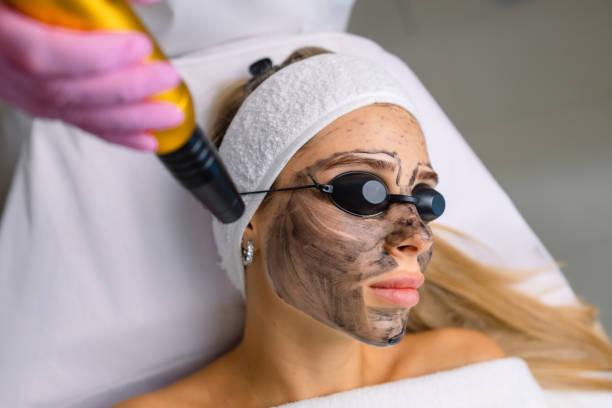
Q-switched laser treatment is one of the most precise technologies in aesthetic dermatology. It is widely used for pigmentation, tattoos, and uneven skin tone, yet many patients do not understand the science that makes it so effective. Q-switched Laser in Riyadh explains the scientific principles behind Q-switched lasers, from pulse generation to pigment clearance, so you can appreciate why this technology delivers such reliable results.
The Physics of Q-Switching
The term "Q-switched" refers to a mechanism that controls how laser energy is released. In a standard laser, energy builds up and is emitted continuously or in relatively long pulses. A Q-switched laser, by contrast, stores energy and releases it in extremely short bursts, typically lasting nanoseconds. This compression of energy produces very high peak power without excessive heat. For anyone considering Q-switched Laser in Riyadh, understanding that this pulse technology is the foundation of the treatment's precision is a helpful starting point.
Selective Photothermolysis Explained
Q-switched lasers operate on the principle of selective photothermolysis. This principle states that if a laser's wavelength is preferentially absorbed by a target chromophore, and the pulse duration is shorter than the target's thermal relaxation time, damage is confined to that target. In Q-switched laser treatment, the target chromophore is pigment, such as melanin or tattoo ink. Because the pulses are so brief, heat cannot diffuse to surrounding tissue, protecting healthy skin.
How Pigment Absorbs Laser Energy
Pigment particles, whether melanin in the skin or ink in a tattoo, absorb specific wavelengths of light. Q-switched lasers emit wavelengths that are strongly absorbed by these pigments. When the laser pulse strikes the pigment, the energy is converted to heat, causing the pigment particle to expand and fracture. This process, called photoacoustic fragmentation, breaks large pigment particles into tiny fragments. Patients researching q switch laser price should understand that multiple sessions are often needed because fragmentation occurs progressively.
Photoacoustic Versus Photothermal Effects
Q-switched lasers produce primarily photoacoustic effects rather than photothermal effects. Photothermal effects rely on sustained heat to destroy targets, which can damage surrounding tissue. Photoacoustic effects use brief, intense pulses that create mechanical stress, shattering pigment particles without significant heat diffusion. This distinction is why Q-switched lasers cause less damage to surrounding skin than continuous-wave lasers.
How the Body Clears Fragmented Pigment
After fragmentation, the tiny pigment particles are recognized by the body's immune system as debris. Macrophages and other immune cells engulf the particles and transport them to the lymphatic system, where they are gradually cleared. This process takes weeks to months, which is why Q-switched laser results develop gradually. Multiple sessions accelerate clearance by fragmenting more pigment each time.
Wavelength Selection and Tissue Penetration
Q-switched lasers are available in different wavelengths, each penetrating the skin to different depths. Shorter wavelengths, such as 532 nanometers, target superficial pigment like sunspots and freckles. Longer wavelengths, such as 1064 nanometers, penetrate deeper and target deeper pigment, making them suitable for darker skin tones and deeper tattoos. The Q-switched alexandrite laser at 755 nanometers and ruby laser at 694 nanometers target specific ink colors. Your provider selects the wavelength based on your concern and skin type.
Why Skin Tone Influences Laser Selection
Skin tone influences laser selection because melanin in the surrounding skin can absorb laser energy, leading to unwanted damage. In darker skin tones, higher wavelengths such as 1064 nanometers bypass surface melanin and target deeper pigment, reducing the risk of post-inflammatory hyperpigmentation. This scientific principle explains why darker skin requires specific lasers and experienced providers.
The Role of Pulse Duration
Pulse duration is critical in Q-switched laser treatment. Pulses lasting nanoseconds are shorter than the thermal relaxation time of most pigment particles, ensuring that heat is confined to the target. If pulses were longer, heat would diffuse to surrounding tissue, causing burns or scarring. This is why Q-switched technology is so precise and safe when used correctly.
Tissue Response and Healing
After treatment, the skin initiates a healing response. Inflammation brings immune cells to the treated area. Collagen remodeling may occur, improving skin texture over time. The epidermis remains largely intact in non-ablative Q-switched treatment, allowing rapid recovery. Patients should follow aftercare instructions to support this healing process and protect results.
Book an Appointment Consultation Clinic
For those seeking expert guidance and customized aesthetic care, you can book an appointment consultation at the Enfield Royal Riyadh. Their team applies scientific principles to design personalized Q-switched laser plans for safe, effective results.
FAQs
What is the science behind Q-switched lasers?
They use short, high-energy pulses to fragment pigment through photoacoustic effects.
What is selective photothermolysis?
A principle where laser energy targets specific chromophores without damaging surrounding tissue.
Why are multiple sessions needed?
Each session fragments a portion of pigment; the body clears it gradually over weeks.
How does skin tone affect laser selection?
Darker skin requires longer wavelengths to bypass surface melanin and avoid pigmentation changes.
Is q switch laser price in Riyadh justified by the science?
Yes, the precision and effectiveness of the technology often justify the investment.
Conclusion
The science behind Q-switched laser treatment involves pulse compression, selective photothermolysis, photoacoustic fragmentation, and immune clearance of pigment. Understanding these principles explains why the treatment is so precise and effective. If you are considering Q-switched Laser in Riyadh, choose a qualified provider who understands the science and tailors treatment to your skin. With proper care, Q-switched lasers deliver clearer, more even skin.

 Arabic
 French
 Spanish
 Portuguese
 Deutsch
 Turkish
 Dutch
Dutch
 Italiano
 Russian
 Romaian
 Portuguese (Brazil)
 Greek
Greek
