


How Should Insoluble Sulphur Be Stored Properly
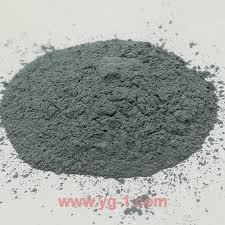
Rubber manufacturing depends on a range of chemical additives that must arrive at the production line in suitable condition. Among these materials,Insoluble sulphur holds a distinct place because of its role in vulcanization and its sensitivity to its surroundings. Unlike common sulphur grades, this polymeric form resists migration within rubber compounds and helps prevent surface blooming during storage of finished goods. Manufacturers who source this material from suppliers such as Donghai Chemical know that its advantages only appear when handling practices match its chemical nature. Poor storage can undo the benefits that the additive brings to a tire compound or industrial rubber part. What happens when this material sits in a warm warehouse or a humid corner of a plant?
The storage question matters because insoluble sulphur exists in a metastable state. Its polymeric chains can revert to soluble forms when exposed to heat over time. This conversion reduces the additive's ability to stay dispersed and perform its intended function during cure. Elevated temperatures accelerate the change, and a facility without climate control may see gradual loss of the high stability grade that was purchased. Moisture presents another concern, since damp conditions can affect the powder's flow and blending behavior. Direct sunlight and open air exposure add further risk. A controlled environment therefore protects both the material and the investment made in a quality grade.
Temperature management sits at the center of any storage plan. A cool, shaded area with stable conditions suits this material far beyond a hot loading dock or a rooftop container. Many producers recommend keeping the product below a threshold where reversion stays slow, and warehouse staff should monitor readings during summer months when ambient heat climbs. Humidity control complements temperature control, because dry air helps the powder remain free flowing. Sealed packaging offers a first line of defense, and once a container is opened, the remaining contents deserve prompt use or resealing. These simple habits preserve the additive's dispersion quality and its contribution to a uniform rubber compound.
Stock rotation deserves attention as well. Older material should move to production before newer arrivals, and records should show when each batch entered the warehouse. This practice prevents forgotten drums from sitting past their suitable window. A first in, first out system costs little to implement and spares formulators the frustration of inconsistent cure behavior. Storage areas should stay clear of steam lines, ovens, and other heat sources that radiate warmth into nearby shelves. Ventilation helps regulate conditions without introducing damp air. Floor placement also matters, since ground level areas tend to stay cooler than upper racks near a roof.
For companies that purchase rubber additives in large volumes, the relationship with a supplier affects storage success. Taizhou Huangyan Donghai Chemical Co., Ltd. has produced rubber accelerators, antioxidants, scorch retarders, plasticizers, adhesives, and related processing aids since its founding in 1985. The company operates a professional test center and holds ISO9001 and ISO14001 certifications. Its team understands how insoluble sulphur behaves under different conditions and can advise customers on suitable warehouse practices. This kind of technical support helps a plant avoid the quiet losses that come from improper handling, losses that show up later as cure variation or product defects.
Transportation adds another layer to consider. Shipments that cross long distances may pass through hot regions or sit in containers on a dock. Buyers can discuss packaging and shipping arrangements with their supplier to reduce exposure during transit. Upon arrival, staff should inspect containers for damage and confirm that the material meets expectations before moving it into storage. A quick check of appearance and packaging integrity takes little time and catches problems early. These steps connect the supplier's efforts with the plant's own practices, forming a chain that protects material quality from factory to mixing line.
Personnel training often decides whether written procedures translate into daily practice. Workers who handle rubber chemicals should understand why temperature and moisture matter, not simply follow instructions without context. A short session on the properties of insoluble sulphur can improve compliance and encourage staff to report issues such as a warm storage room or a damaged bag. Supervisors can review storage conditions during routine walkthroughs and adjust ventilation or placement when needed. Such attention keeps the material within its preferred range and supports consistent results in the mixing department.
Purchasing decisions also influence storage outcomes. Ordering quantities that match actual consumption reduces the time material spends in a warehouse. A supplier that offers dependable delivery schedules helps buyers avoid both shortages and excess stock. Donghai Chemical serves customers across many regions and provides the supply system that supports project needs in all directions. Buyers who plan their orders around production forecasts can keep inventory fresh and minimize the risk of reversion. This balance between supply and storage protects both quality and cost.
Readers who want to learn about the properties and handling of this additive can visit https://www.yg-1.com/ for background information. The page describes the material and its place among rubber processing aids. With sound storage practices, a reliable supplier, and trained staff, a plant can capture the full value of this additive. Does your current warehouse routine protect the rubber chemicals you purchase?

 English
 Arabic
 French
 Spanish
 Portuguese
 Turkish
 Dutch
Dutch
 Italiano
 Russian
 Romaian
 Portuguese (Brazil)
 Greek
Greek
