


How Does Vibration Monitoring Equipment Measure and Control Risks?
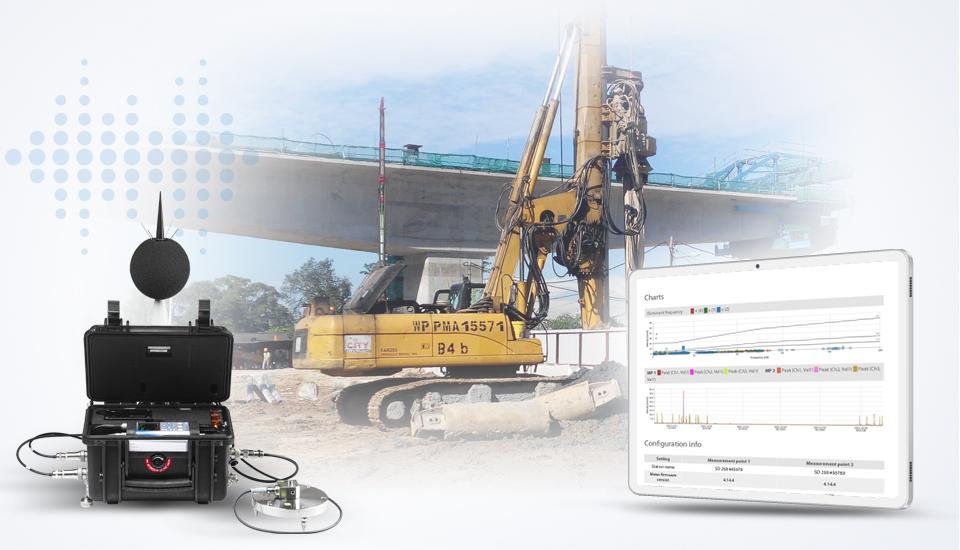
Understanding Vibration Risks in Construction Projects
Vibrations are common during construction, demolition, roadwork, excavation, and industrial operations. Activities such as piling, drilling, blasting, and operating heavy machinery can generate ground vibrations that affect nearby buildings, underground utilities, and sensitive equipment. If these vibrations are not monitored properly, they may contribute to structural damage, equipment malfunction, or disturbance to nearby communities. Understanding vibration levels helps engineers identify potential risks before they become serious problems. A planned monitoring strategy also supports safer working conditions, better project management, and compliance with applicable requirements for vibration control.
How Vibration Monitoring Measures Ground Movement
Modern Vibration Monitoring Equipment measures ground or structural movement caused by construction activities and machinery. Depending on the instrument, it can record parameters such as peak particle velocity, vibration frequency, acceleration, and displacement. Sensors are installed at suitable locations to capture vibration levels during specific operations. The recorded information helps engineers understand how vibrations change over time and whether they approach established project limits. Accurate measurements allow teams to evaluate the effects of different activities, identify unusual vibration patterns, and make informed decisions about construction methods. Equipment selection depends on the site conditions, monitoring objectives, and applicable technical standards.
Identifying Potential Structural Damage Early
Buildings located near excavation, demolition, or heavy construction activities may be exposed to repeated ground vibrations. Older structures, heritage properties, and buildings with existing cracks can require additional attention because their condition and vulnerability may differ from those of newer buildings. Continuous or periodic monitoring helps engineers compare measured vibration levels with appropriate assessment criteria. When readings increase unexpectedly, project teams can investigate the cause and consider suitable corrective measures. Combining vibration measurements with pre-construction building surveys, visual inspections, and documented records provides a clearer picture of potential impacts and supports more effective risk management throughout the construction process.
Improving Construction Safety Through Real-Time Monitoring
Real-time monitoring helps site managers respond quickly when vibration levels approach specified limits. Depending on the system, instruments may provide automatic alerts, remote data access, and time-stamped records for reviewing site activities. These features allow teams to investigate unusual readings and adjust operations when necessary. For example, contractors may modify equipment settings, change working sequences, or increase the distance between vibration-producing activities and sensitive structures. The objective is not simply to collect measurements but to use the information to support practical decisions. Consistent monitoring can improve communication between engineers, contractors, consultants, and property owners.
Choosing the Right Monitoring System for Site Conditions
Selecting an appropriate monitoring system requires an understanding of the vibration source, surrounding structures, expected frequency range, and project duration. Some projects may require portable instruments for short-term measurements, while others benefit from automated systems that continuously record and transmit data. Sensor placement is equally important because measurements taken at unsuitable locations may not represent the vibration exposure of a sensitive building or asset. Engineers should establish monitoring locations, alarm thresholds, recording intervals, and reporting procedures before work begins. Following relevant standards and manufacturer recommendations helps ensure that the collected data is suitable for meaningful technical assessment.
Supporting Infrastructure Quality With Complementary Testing
Construction quality assessments often involve several investigation methods because each technique evaluates a different performance characteristic. A Pressure Aging Vessel is used in asphalt binder research and testing to simulate the long-term oxidative aging of bituminous materials under controlled pressure and temperature conditions. This helps researchers assess changes in binder properties over time. Similarly, a Bond Pull Off Test measures the tensile adhesion strength between a coating or repair material and its substrate, depending on the test setup. Although these methods do not measure vibration, they can complement broader quality assurance programs by providing information about material durability and bond performance alongside appropriate vibration assessments.
Reducing Project Delays Through Data-Based Decisions
Vibration monitoring can help construction teams manage uncertainty by providing measurable evidence of site conditions. Documented readings allow engineers to compare vibration levels across different stages of a project, identify recurring patterns, and evaluate whether control measures are working as intended. These records can also support technical reports, stakeholder communication, and investigations into vibration-related complaints. When monitoring requirements are established early, contractors can plan suitable equipment, coordinate high-impact activities, and respond to potential problems before they cause substantial disruption. Reliable data supports a more proactive approach to construction management while helping protect surrounding infrastructure and maintain project progress.
Frequently Asked Questions
1. What is vibration monitoring equipment used for?
Vibration monitoring equipment measures ground or structural vibrations caused by construction, demolition, machinery, traffic, and industrial operations. It helps engineers evaluate potential risks to buildings, infrastructure, and sensitive equipment.
2. Which parameters are measured during vibration monitoring?
Common parameters include peak particle velocity, vibration frequency, acceleration, and displacement. The parameters recorded depend on the instrument, the source of vibration, and the monitoring requirements.
3. Where should vibration monitoring sensors be installed?
Sensors should be placed at locations selected according to the vibration source, nearby structures, site layout, and project objectives. Sensitive buildings and areas near high-impact activities may require particular attention.
4. Can vibration monitoring prevent structural damage?
Monitoring cannot guarantee that structural damage will be prevented. However, timely measurements and alerts help engineers identify potentially concerning vibration levels and implement appropriate control measures.
5. Is continuous vibration monitoring necessary for every project?
Not every project requires continuous monitoring. The decision depends on construction methods, vibration intensity, nearby structures, project risks, and applicable regulations or contractual requirements.

 English
 Arabic
 French
 Spanish
 Portuguese
 Turkish
 Dutch
Dutch
 Italiano
 Russian
 Romaian
 Portuguese (Brazil)
 Greek
Greek
