


Ozempic 1 mg Injection: Uses, Side Effects & Safety
Introduction
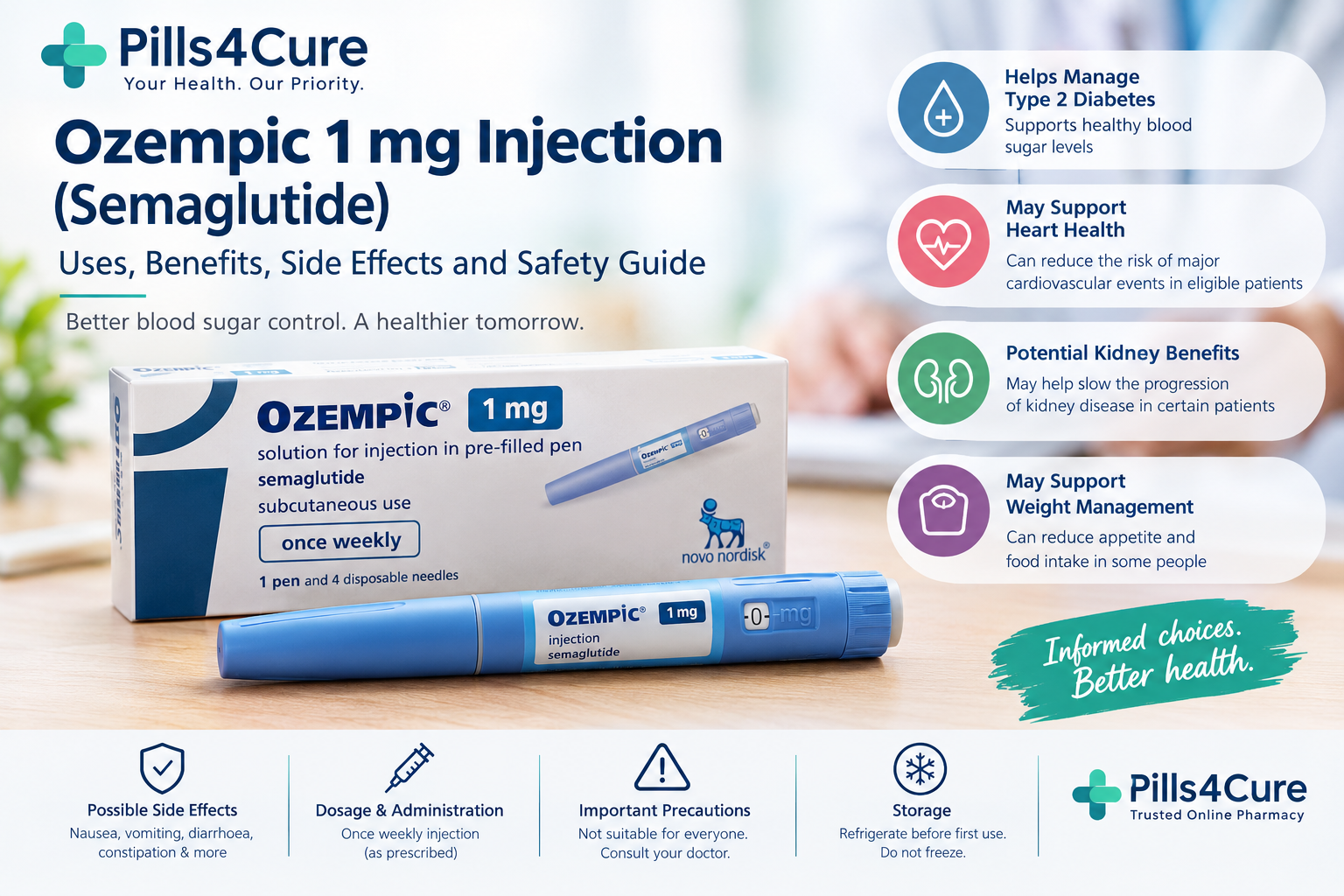
Managing type 2 diabetes often involves a combination of medication, healthy eating, regular physical activity and ongoing medical supervision. Ozempic 1 mg Injection is a prescription medicine containing semaglutide, an active ingredient that belongs to a group of medicines called glucagon-like peptide-1 (GLP-1) receptor agonists.
Ozempic helps improve blood sugar control in adults with type 2 diabetes when used alongside diet and exercise. Depending on a person's medical history and the applicable prescribing guidelines, it may also provide cardiovascular and kidney benefits for certain patients.
At Pills4Cure, we aim to make healthcare information easier to understand by explaining medication uses, precautions and responsible treatment practices. This guide covers how Ozempic 1 mg works, its potential benefits, common side effects and important safety considerations.
What Is Ozempic 1 mg Injection?
Ozempic 1 mg Injection is a prescription medication that contains semaglutide. It is administered as a subcutaneous injection, meaning the medicine is injected under the skin using the prescribed injection device.
Semaglutide acts on GLP-1 receptors involved in regulating blood glucose levels and appetite. It supports the body's natural glucose-regulating processes, particularly when blood sugar levels are elevated.
Ozempic is available in different dosage strengths. The 1 mg dose is generally considered after a patient has started treatment at a lower dose and their healthcare professional determines that a higher dose is appropriate.
Important: Ozempic 1 mg is not intended for everyone. A healthcare professional must determine whether this medicine and its dosage are suitable for an individual patient.
What Is Ozempic 1 mg Used For?
1. Managing Type 2 Diabetes
Ozempic is used alongside diet and exercise to improve blood glucose control in adults with type 2 diabetes. It can help lower blood sugar levels by supporting insulin release when glucose levels are elevated and reducing the release of glucagon, a hormone that can increase blood glucose.
Treatment plans differ depending on the patient's blood sugar levels, medical history, other medicines and individual treatment goals.
2. Supporting Cardiovascular Risk Reduction in Eligible Patients
For certain adults with type 2 diabetes and established cardiovascular disease, Ozempic may help reduce the risk of major cardiovascular events, such as heart attack, stroke or cardiovascular death, according to its approved prescribing information.
A healthcare professional can assess whether this benefit applies to a particular patient.
3. Kidney-Related Benefits for Certain Patients
In the United States, approved prescribing information also includes reducing certain risks associated with worsening kidney disease in adults with type 2 diabetes and chronic kidney disease. The applicable indication depends on the country's approved product information.
Patients with diabetes and kidney disease should receive individual medical assessment and appropriate monitoring.
4. Weight Changes During Treatment
Some people experience weight loss while taking semaglutide because it can influence appetite and food intake. However, results vary, and Ozempic should not be treated as a guaranteed weight-loss solution.
Ozempic's approved uses differ by country. A healthcare professional can explain which semaglutide product and treatment approach are appropriate for diabetes management or weight management.
How Does Ozempic 1 mg Work?
Semaglutide mimics the activity of the naturally occurring GLP-1 hormone. This hormone plays an important role in regulating blood sugar and appetite.
Ozempic works through several mechanisms:
-
Supports insulin release: It helps the pancreas release insulin when blood glucose is elevated.
-
Reduces glucagon secretion: It lowers the release of glucagon under appropriate conditions, helping reduce excess glucose production by the liver.
-
Slows gastric emptying: It can slow the movement of food from the stomach into the small intestine, particularly during treatment.
-
Influences appetite: It may reduce appetite and food intake in some people.
Together, these actions can help improve blood glucose control. The extent of the response depends on individual circumstances, adherence to treatment and other aspects of diabetes care.
Ozempic 1 mg Dosage and Administration
Ozempic dosage must be determined by a qualified healthcare professional. Treatment typically begins with a lower dose, which may be increased gradually according to the approved prescribing instructions and the patient's response.
The 1 mg dose is not usually the starting dose. Patients should not begin at 1 mg or increase their dosage without medical guidance.
General administration information includes:
-
Ozempic is generally administered once weekly.
-
It can be administered at any time of day, with or without meals, according to the product instructions.
-
The injection is given under the skin in an approved area, such as the abdomen, thigh or upper arm.
-
The injection site should be rotated according to the instructions supplied with the medicine.
-
The injection pen must never be shared with another person, even if the needle is changed.
Patients should follow the instructions for their specific pen and ask a healthcare professional or pharmacist for a demonstration if they are unsure how to administer it.
If a dose is missed, consult the official patient leaflet or your healthcare professional for instructions. Do not take extra doses to compensate for a missed injection.
Possible Side Effects of Ozempic 1 mg Injection
Like other prescription medicines, Ozempic can cause side effects. Some are mild and may improve as the body adjusts to treatment, while others require medical attention.
Commonly reported side effects include:
-
Nausea
-
Vomiting
-
Diarrhoea
-
Constipation
-
Abdominal pain or discomfort
Eating smaller meals and maintaining adequate hydration may help some people manage mild digestive symptoms, but persistent symptoms should be discussed with a healthcare professional.
Serious Side Effects and Warnings
Although less common, serious complications can occur.
Pancreatitis: Severe, persistent abdominal pain, sometimes spreading to the back and accompanied by vomiting, may indicate inflammation of the pancreas. Seek urgent medical assessment.
Gallbladder problems: Pain in the upper abdomen, fever or yellowing of the skin or eyes may require prompt medical attention.
Dehydration and kidney problems: Persistent vomiting or diarrhoea can lead to dehydration and may affect kidney function.
Low blood sugar: The risk of hypoglycaemia can increase when Ozempic is used with insulin or certain other diabetes medicines. Patients may need their treatment reviewed by a healthcare professional.
Allergic reactions: Swelling of the face, lips or tongue, or difficulty breathing, can indicate a serious allergic reaction. Seek emergency medical assistance.
Ozempic also carries a warning concerning thyroid C-cell tumours observed in rodents. It is not known whether this risk applies to humans. Under US prescribing information, Ozempic should not be used by people with a personal or family history of medullary thyroid carcinoma or by people with multiple endocrine neoplasia syndrome type 2 (MEN 2).
Discuss your medical history and any new symptoms with your prescriber before and during treatment.
Who Should Take Extra Care Before Using Ozempic?
Ozempic may not be appropriate for every patient. Before treatment, discuss the following with your healthcare professional:
-
A history of pancreatitis or gallbladder disease.
-
Diabetic retinopathy or other diabetes-related complications.
-
Kidney problems or a history of dehydration.
-
Severe digestive problems, including severe gastroparesis.
-
Previous serious allergic reactions to semaglutide or its ingredients.
-
Current use of insulin, sulfonylureas or other medicines that may affect blood glucose.
-
Pregnancy, plans to become pregnant or breastfeeding.
Semaglutide may affect the absorption of some oral medicines because it delays gastric emptying. Tell your healthcare professional about all prescription medicines, non-prescription medicines and supplements you use.
Never start, stop or change a prescribed treatment without professional advice.
Ozempic 1 mg and Lifestyle Management
Medication is only one part of an effective diabetes management plan. Healthy habits can complement prescribed treatment and support overall wellbeing.
Follow a Balanced Diet
Choose a varied diet that includes vegetables, fibre-rich foods, appropriate sources of protein and balanced portions of carbohydrates. A registered dietitian can help tailor meal choices to your health needs.
Stay Physically Active
Regular physical activity may improve blood glucose control and cardiovascular health. Choose activities that are suitable for your fitness level and medical circumstances.
Monitor Blood Glucose as Advised
Follow your healthcare professional's recommendations for blood glucose monitoring. Report unusual readings or symptoms, particularly if you also take medicines that can cause low blood sugar.
Attend Follow-Up Appointments
Regular appointments allow your healthcare professional to assess treatment effectiveness, review side effects and determine whether your treatment plan needs adjustment.
How Should Ozempic Be Stored?
Correct storage is essential for maintaining the quality of injectable medicines.
Ozempic pens generally require refrigeration before first use. Storage requirements after first use depend on the specific pen and the approved product instructions for your country.
Follow the official package leaflet for the exact temperature range, in-use storage period and protection from light. Do not freeze the medicine, and do not use it if it has been frozen or appears abnormal.
If you are uncertain whether a pen has been stored correctly, ask a pharmacist before using it.
Frequently Asked Questions About Ozempic 1 mg Injection
Is Ozempic 1 mg used for diabetes?
Yes. Ozempic is prescribed to improve blood glucose control in adults with type 2 diabetes, alongside diet and exercise. It may have additional approved benefits for certain eligible patients.
Is Ozempic 1 mg a weight-loss injection?
Weight loss can occur during treatment, but Ozempic's primary approved use is type 2 diabetes management in many countries. Approval for weight management depends on the specific product and local regulations. A healthcare professional can advise on appropriate options.
How often is Ozempic 1 mg administered?
It is generally administered once weekly. The prescribed dose and administration instructions should always be followed.
Can Ozempic 1 mg cause nausea?
Yes. Nausea is a commonly reported side effect, along with vomiting, diarrhoea, constipation and abdominal discomfort. Contact your healthcare professional if symptoms are severe or persistent.
Can I increase my dose if my blood sugar remains high?
No. Do not increase your dose independently. Your healthcare professional should assess your blood glucose results and determine whether any treatment adjustment is appropriate.
Can Ozempic replace insulin?
Ozempic is not a substitute for insulin when insulin is medically required. It is not indicated for treating type 1 diabetes or diabetic ketoacidosis. Never stop insulin without medical advice.
Learn More About Medicines With Pills4Cure
Pills4Cure aims to help people access useful information about medicines, their intended uses and important safety precautions. Understanding a medicine before using it can help patients have more informed conversations with their doctors and pharmacists.
When researching Ozempic 1 mg Injection, check the official product information, verify that the medicine is obtained through an authorised pharmacy and ensure that a valid prescription is provided where required. Product availability, approved indications and prescribing requirements may vary by country.
For personal advice about Ozempic or semaglutide, consult a qualified healthcare professional who can consider your medical history and treatment needs.
Conclusion
Ozempic 1 mg Injection contains semaglutide, a GLP-1 receptor agonist used to improve blood glucose control in adults with type 2 diabetes. For eligible patients, it may also offer additional cardiovascular or kidney-related benefits under applicable approved indications.
However, it can cause side effects and is not suitable for everyone. Correct dosage, appropriate storage, medical supervision and regular follow-up are essential parts of responsible treatment.
Pills4Cure encourages informed healthcare decisions and responsible use of prescription medicines. Always consult your doctor or pharmacist before starting Ozempic, changing your dose or combining it with other medicines.
 Greek
Greek
 English
 Arabic
 French
 Spanish
 Portuguese
 Deutsch
 Turkish
 Dutch
Dutch
 Italiano
 Russian
 Romaian
 Portuguese (Brazil)
