


How Tattoo Color and Ink Affect Laser Removal
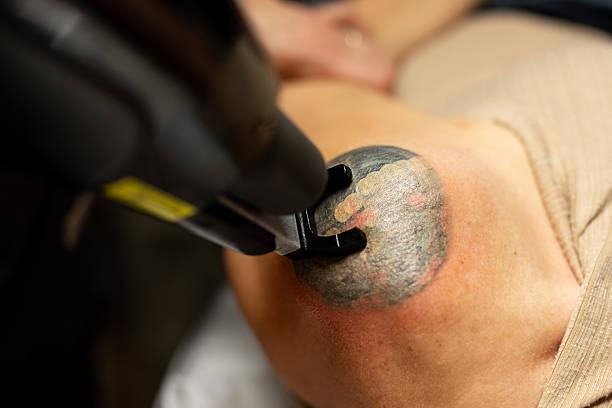
Tattoos are a popular form of self-expression, but preferences can change over time. Whether you want to remove an unwanted design, fade an old tattoo, or prepare your skin for a new look, understanding how tattoo color and ink affect the removal process is essential. Laser tattoo removal uses specialized laser technology to break down tattoo pigments into smaller particles, allowing the body's natural processes to gradually eliminate them. However, not every tattoo responds in the same way, as ink color, pigment composition, and tattoo depth all influence the results.
Choosing Laser Tattoo Removal in Riyadh can help you explore professional treatment options based on your tattoo's unique characteristics. Understanding how different ink colors react to laser energy allows you to develop realistic expectations about the treatment process. With an appropriate assessment, suitable laser technology, and proper aftercare, you can take an informed approach toward achieving clearer-looking skin.
How Tattoo Ink Color Influences Laser Removal
Tattoo ink color is one of the most important factors affecting laser removal. Different pigments absorb different wavelengths of light, meaning a laser that works effectively on one color may be less effective on another. The treatment approach must therefore be adjusted according to the colors present in the tattoo.
Black and Dark Blue Ink
Black ink is generally among the easiest tattoo colors to treat because it absorbs a broad range of laser wavelengths. Dark blue pigments can also respond well to appropriate laser settings. Although these colors often show a favorable response, the tattoo's depth, density, age, and ink composition can still affect the number of sessions required.
Red, Orange, and Yellow Ink
Red and orange pigments can respond well to certain laser wavelengths selected for those colors. Yellow ink, however, can be more challenging because it may not absorb laser energy as efficiently as darker pigments. Some warm-colored tattoos fade noticeably, while others retain traces of pigment even after multiple sessions.
Green, Turquoise, and Blue-Green Ink
Green and turquoise pigments can be difficult to remove because they may require specialized wavelengths. The exact response depends on the pigment formulation and the laser technology available. A professional assessment helps determine which approach is most suitable for these colors and whether gradual fading is a realistic goal.
White and Skin-Colored Ink
White, beige, and skin-colored tattoo pigments can be particularly unpredictable. Some contain titanium dioxide or other compounds that may darken when exposed to laser energy. This reaction, known as paradoxical darkening, can make the tattoo more difficult to treat. These pigments require careful evaluation before any procedure is considered.
How Ink Composition and Tattoo Depth Affect Results
Tattoo ink is not made from a single universal formula. Different manufacturers use different pigments, additives, and particle characteristics, which influence how the ink interacts with laser energy. Some tattoos contain a mixture of pigments, making removal more complicated because each color may respond differently.
Professional Tattoos Versus Amateur Tattoos
Professional tattoos are often applied more uniformly and may contain denser pigment deposits. Amateur tattoos can have uneven ink distribution and varying depths. Neither type is automatically easier to remove in every situation. The tattoo's specific characteristics, rather than its category alone, determine how it may respond to treatment.
Tattoo Age, Density, and Layering
Older tattoos may have already faded naturally, potentially making some pigments less prominent. However, age does not guarantee easier removal. Dense tattoos, cover-up designs, and layered pigments can require additional treatment because more ink must be broken down. Cover-up tattoos may be especially complex when several colors overlap.
How Laser Technology Supports Tattoo Removal
Laser tattoo removal works by delivering short pulses of energy that target tattoo pigments beneath the skin. The energy breaks pigment particles into smaller fragments, which the body gradually processes and clears away.
Choosing the Appropriate Laser Wavelength
Different wavelengths target different pigment colors. A practitioner selects an appropriate laser based on the tattoo's ink, skin characteristics, and treatment history. Certain laser systems can address a broad range of colors, but no single technology guarantees complete removal of every tattoo.
Why Multiple Sessions May Be Necessary
Tattoo removal usually requires multiple sessions because the body needs time to clear fragmented pigment and the skin needs time to recover. Treatment intervals depend on the tattoo, the laser used, and the individual's healing response. Attempting to accelerate the process through excessively frequent sessions can increase the risk of skin complications.
What to Expect Before and After Treatment
Before treatment, a qualified practitioner should assess the tattoo's colors, size, location, depth, and any previous removal attempts. Your skin type, medical history, and tendency to develop pigmentation changes or raised scars may also influence the treatment plan.
After a session, temporary redness, swelling, tenderness, blistering, or crusting may occur. Following the recommended aftercare instructions is important for supporting healing and reducing the risk of complications. Protecting the treated area from sunlight, keeping it clean, and avoiding picking at healing skin can help protect the skin during recovery.
Results vary from person to person, and complete removal cannot always be guaranteed. Some tattoos leave faint residual pigment or changes in skin color or texture. A professional consultation can help establish realistic expectations before treatment begins.
Frequently Asked Questions
Does tattoo color affect how many laser removal sessions I need?
Yes. Dark pigments often respond more readily, while colors such as green, turquoise, yellow, and certain light pigments may require specialized treatment. The number of sessions also depends on ink density, tattoo depth, and individual healing.
Can all tattoo colors be removed completely?
No. Many tattoos can be significantly faded, but complete removal is not guaranteed. Some pigments may remain visible despite appropriate treatment.
Why can white tattoo ink become darker during laser removal?
Certain white and light-colored pigments can undergo a chemical reaction when exposed to laser energy, causing them to darken. A careful assessment and, when appropriate, a test spot may help evaluate this risk.
Is laser tattoo removal suitable for every skin type?
Laser treatment may be possible for many skin types, but the choice of laser settings and treatment approach is important. A qualified practitioner should evaluate your skin tone and risk of pigmentation changes before proceeding.
How should I care for my skin after laser tattoo removal?
Follow your practitioner's aftercare instructions, keep the area clean, avoid picking at blisters or scabs, and protect the treated skin from sunlight. Contact your healthcare provider if you experience signs of infection or unexpected worsening symptoms.
Book Your Consultation at Enfield Royal Clinic
If you are considering tattoo removal and want to understand how your tattoo's colors and ink composition may affect the results, arrange a consultation with Enfield Royal Clinic. A personalized assessment can help identify suitable treatment options, explain potential risks, and establish realistic expectations based on your tattoo and skin characteristics. Take the first step toward making an informed decision about your tattoo removal journey.
 French
 English
 Arabic
 Spanish
 Portuguese
 Deutsch
 Turkish
 Dutch
Dutch
 Italiano
 Russian
 Romaian
 Portuguese (Brazil)
 Greek
Greek
