


What to Know About Body Contouring After Major Weight Changes
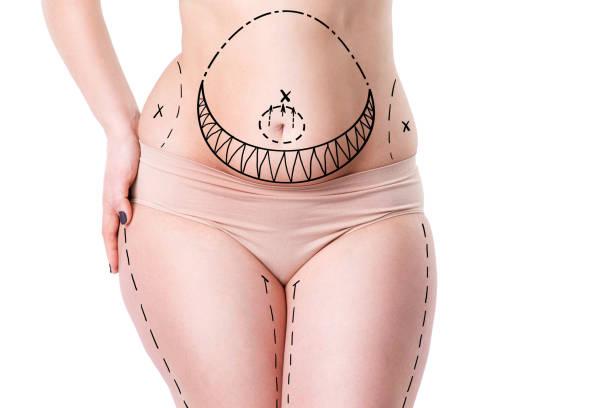
Major weight changes can transform a person's overall appearance, but they may also leave behind areas of loose skin and stubborn fat deposits. After losing a significant amount of weight, some individuals find that their body shape does not fully reflect their efforts because the skin may not shrink enough to adapt to the reduced body volume. Body contouring procedures can help address selected concerns and improve the appearance of specific areas.
People considering Liposuction in Riyadh should understand that body contouring involves more than removing fat. The most appropriate approach depends on current weight, skin elasticity, the distribution of remaining fat, general health, and personal goals. A professional assessment helps determine whether liposuction alone may be suitable or whether another procedure should be considered.
How Major Weight Changes Affect Body Shape
Changes in Skin Elasticity
Skin stretches as body size increases. When significant weight is lost, the skin may not always return to its previous shape, particularly after remaining stretched for an extended period. Age, genetics, the amount of weight lost, and individual skin characteristics can influence how much the skin retracts.
Loose skin may develop around the abdomen, upper arms, thighs, breasts, and lower back. This can affect body contours and sometimes cause discomfort or difficulty with clothing and physical activity. The degree of skin laxity varies, so treatment recommendations should be based on an individual examination.
Remaining Fat Deposits
Even after substantial weight loss, certain areas may retain localised fat deposits. These areas can be influenced by genetics, hormones, and natural fat distribution. Exercise and healthy eating can support weight management, but they may not eliminate every stubborn fat pocket.
Liposuction may help reduce selected deposits of fat in appropriate candidates. However, it is not a weight-loss procedure and does not correct significant excess skin. Understanding this distinction is essential when deciding which treatment may address a particular concern.
When Is the Right Time to Consider Body Contouring?
Maintaining a Stable Weight
Weight stability is an important consideration before body contouring surgery. If weight is still changing considerably, the body shape may continue to change after treatment. Further weight loss or weight gain can affect the appearance of the treated areas and may influence surgical planning.
Patients are generally encouraged to reach a sustainable weight and maintain it before elective body contouring. The appropriate timeframe depends on individual circumstances, including the amount of weight lost, general health, and whether the weight change followed lifestyle modifications or bariatric surgery.
Allowing the Body to Recover
After major weight loss, the body may need time to adjust to nutritional and physical changes. People who have undergone bariatric surgery may require additional evaluation to ensure that their nutritional status supports healing.
A healthcare professional may review nutritional intake, medical history, medications, and relevant laboratory results before surgery. Correcting nutritional deficiencies and addressing other health concerns can help improve readiness for a procedure.
Choosing Between Liposuction and Skin Removal Surgery
Understanding the Purpose of Liposuction
Liposuction removes selected deposits of fat beneath the skin. It may be appropriate for individuals who have localised fat, relatively good skin elasticity, and realistic expectations about the changes it can achieve.
For suitable candidates, Liposuction in Riyadh may help refine contours in areas such as the abdomen, waist, thighs, arms, or back. However, when substantial loose skin is present after major weight loss, removing fat alone may not produce the desired appearance. In some cases, it could make skin laxity more noticeable.
When Excess Skin Requires a Different Approach
Procedures designed to remove excess skin may be considered when loose tissue is the primary concern. Depending on the affected area, options can include abdominoplasty, arm lift surgery, thigh lift surgery, or other body-contouring procedures.
These operations differ from liposuction because they address excess skin and may involve reshaping underlying tissues. They also involve their own risks, recovery requirements, and potential scarring. A surgeon can explain which approach may be appropriate and whether combining procedures is safe in an individual case.
Areas Commonly Evaluated After Major Weight Loss
Abdomen and Waist
The abdomen may develop loose skin, remaining fat deposits, or both after substantial weight changes. Some people notice folds around the lower abdomen, while others experience changes around the waistline. The treatment plan depends on whether the main concern is fat, skin, or a combination of factors.
Arms and Thighs
Loose skin around the upper arms and inner thighs can remain after significant weight loss. This may affect clothing comfort and the appearance of the limbs. Liposuction may be suitable for selected fat deposits, but skin-removal surgery may be more appropriate when laxity is pronounced.
Back and Other Areas
The back, chest, buttocks, and other regions may also change after major weight loss. The surgeon evaluates the location of excess skin and fat, the quality of the tissues, and the patient's priorities before recommending treatment. Addressing each area in context can help create a balanced plan.
Preoperative Assessment and Surgical Safety
Before body contouring surgery, the medical team reviews health history, medications, previous operations, weight stability, and nutritional status. Additional tests may be recommended according to the patient's circumstances and the planned procedure.
Patients should discuss smoking or nicotine use, previous complications, allergies, and any conditions that could affect healing. Potential risks vary by procedure and may include bleeding, infection, fluid accumulation, scarring, changes in sensation, wound-healing problems, and anaesthesia-related complications.
A detailed consultation also helps establish realistic expectations. Body contouring can improve selected contours, but it cannot guarantee perfect symmetry or a particular body shape. Patients should understand the expected scars, recovery period, and possibility of further treatment before making a decision.
Recovery and Long-Term Results
Recovery depends on the type and extent of surgery. Liposuction may cause temporary swelling, bruising, and tenderness, while procedures that remove excess skin can involve longer recovery and additional wound-care requirements. The surgeon will provide guidance on compression garments, activity restrictions, wound care, and follow-up appointments.
Final results may take weeks or months to become apparent as swelling subsides and tissues settle. Maintaining a stable weight can help preserve body contours, although natural ageing and future weight changes may influence the outcome over time.
Book a Consultation at Royal Clinic Saudi
Individuals considering body contouring after major weight changes can consult Royal Clinic Saudi to discuss their concerns and available treatment options. A personalised assessment can help determine whether liposuction, skin-removal surgery, or another approach may be suitable. Understanding the benefits, limitations, and recovery requirements of each option can support an informed decision based on individual needs and medical suitability.
FAQs:
Can liposuction remove loose skin after major weight loss?
Liposuction removes selected fat deposits but does not reliably remove significant excess skin. Skin-removal surgery may be more appropriate when laxity is the main concern.
Should I wait until my weight is stable before body contouring?
Generally, maintaining a stable weight before elective body contouring helps make treatment planning more predictable. The appropriate timing depends on individual health and circumstances.
Can several body areas be treated during one operation?
Some procedures can be combined in selected patients, but safety depends on the extent of surgery, medical history, and expected recovery. The surgeon must assess whether combining treatments is appropriate.
Will body contouring results last permanently?
Removed skin does not grow back in the same way, and fat cells removed through liposuction are removed from the treated area. However, remaining fat cells can enlarge with weight gain, and ageing may change body contours over time.

 English
 French
 Spanish
 Portuguese
 Deutsch
 Turkish
 Dutch
Dutch
 Italiano
 Russian
 Romaian
 Portuguese (Brazil)
 Greek
Greek
