


What Is Rhinoplasty and How Does It Work?
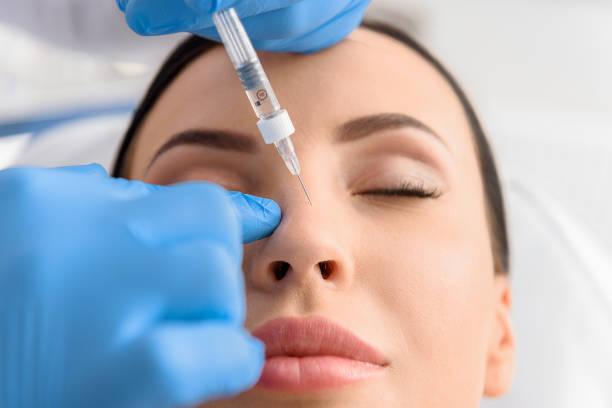
Rhinoplasty is a surgical procedure that changes the shape, size, or structure of the nose. Commonly known as a nose job, it may be performed to address aesthetic concerns, improve certain breathing problems, or correct structural changes caused by injury. The procedure is personalized because every patient has different facial features, nasal anatomy, and treatment goals. Understanding how rhinoplasty works can help individuals make informed decisions before considering surgery.
For people researching Rhinoplasty in Riyadh, learning about the surgical process, recovery period, potential benefits, and possible risks is an important first step. Rhinoplasty may involve reshaping bone, cartilage, or other nasal structures to create a balanced appearance or improve airflow. The results depend on the individual's anatomy, the surgeon's technique, healing, and realistic expectations.
What Is Rhinoplasty Surgery?
Rhinoplasty is a surgical procedure performed to modify the external appearance or internal structure of the nose. Depending on the patient's needs, it may involve reducing a nasal hump, refining the tip, adjusting the nostrils, correcting asymmetry, or improving structural support.
There are two broad reasons people consider rhinoplasty:
-
Cosmetic rhinoplasty: Focuses on changing the appearance of the nose and its relationship with other facial features.
-
Functional rhinoplasty: Addresses structural problems that may affect nasal breathing, sometimes alongside cosmetic changes.
Some procedures combine both goals. However, not every breathing problem can be corrected with rhinoplasty alone, so an appropriate examination is necessary.
How Does Rhinoplasty Work?
Rhinoplasty works by surgically modifying the bone and cartilage that form the nose. The exact technique depends on the nasal structure, the desired changes, and whether the procedure is primarily cosmetic, functional, or both.
Initial Consultation and Nasal Assessment
Before surgery, the surgeon reviews the patient's medical history, breathing concerns, previous nasal injuries or procedures, and aesthetic goals. They examine the nasal skin, bone, cartilage, and internal structures.
Photographs may be taken to help assess facial proportions and plan the procedure. The surgeon should explain what changes are achievable and how the proposed surgery may affect breathing and appearance.
Choosing the Surgical Technique
Rhinoplasty is commonly performed using one of two approaches.
Open rhinoplasty involves a small incision across the tissue between the nostrils, allowing the surgeon to lift the skin and directly examine the underlying structures. It may be useful for complex reshaping or cases requiring detailed structural work.
Closed rhinoplasty uses incisions inside the nostrils. It can be appropriate for selected cases, depending on the changes required and the surgeon's assessment.
Neither approach is best for every patient. The choice depends on anatomy, surgical goals, and the surgeon's expertise.
Reshaping Bone and Cartilage
During surgery, the surgeon may reshape or reposition nasal bone and cartilage. Cartilage grafts may be used when additional support is needed, sometimes using cartilage from the nasal septum or another suitable source.
If breathing is affected by a deviated septum or other structural issue, additional procedures may be considered. The surgeon should explain how each planned change relates to the patient's goals.
Closing the Incisions
Once the planned changes are complete, the surgeon closes the incisions and may apply a splint to support and protect the nose during early healing. The specific dressings and postoperative instructions depend on the technique and the procedure performed.
What Concerns Can Rhinoplasty Address?
Rhinoplasty can address a range of nasal concerns, although the outcome depends on individual anatomy and the limits of surgery.
Nasal Humps and Uneven Profiles
Some people seek surgery to reduce a visible bump along the bridge of the nose. The surgeon may reshape the underlying bone and cartilage to create a smoother profile.
Nasal Tip Shape
Rhinoplasty may refine a broad, rounded, drooping, or asymmetrical nasal tip. The approach depends on the strength and shape of the cartilage and the thickness of the skin.
Wide or Uneven Nostrils
In selected cases, the surgeon may adjust the shape or width of the nostrils. These changes require careful planning to maintain natural proportions and avoid compromising airflow.
Breathing Difficulties
Structural problems, such as a deviated septum or weakened nasal support, may contribute to breathing difficulties. Functional nasal surgery may improve airflow when an identifiable anatomical problem is present, but it cannot guarantee that every breathing issue will resolve.
People considering Rhinoplasty in Riyadh should discuss both appearance and breathing goals during their consultation, especially if they have persistent congestion or a history of nasal injury.
Who Is a Suitable Candidate for Rhinoplasty?
Rhinoplasty may be suitable for adults who are in generally good health, have realistic expectations, and want to address a specific nasal concern. Suitability is determined through an individual assessment rather than appearance alone.
A surgeon may consider:
-
Nasal growth and facial development
-
General health and medical history
-
Breathing function and nasal anatomy
-
Previous nasal surgery or injury
-
Smoking or nicotine use, which can affect healing
-
The patient's understanding of recovery, risks, and possible limitations
For younger patients, surgery is generally considered only after sufficient nasal growth and with careful clinical and ethical assessment. Rhinoplasty should not be undertaken solely because of pressure from other people.
What Happens During Recovery?
Recovery varies according to the surgical technique and the extent of the procedure. Swelling, bruising around the eyes, nasal congestion, and mild discomfort are common during the early recovery period.
The First Week
Patients generally need to rest and follow the surgeon's instructions. A nasal splint may be used during the first week, and the surgeon will advise when it can be removed. Avoid strenuous exercise, pressure on the nose, and activities that could cause an impact.
The First Several Weeks
Bruising and much of the visible swelling often improve over the first few weeks, although the nose may remain swollen or feel congested. Return to exercise and other activities should follow the surgeon's guidance.
Final Results
The nose continues to heal for many months. Subtle swelling, particularly around the tip, may take a year or sometimes longer to settle fully. The final appearance cannot be judged reliably during the early recovery stage.
What Are the Risks of Rhinoplasty?
Like any surgery, rhinoplasty has potential risks. These may include bleeding, infection, adverse reactions to anesthesia, scarring, persistent swelling, numbness, asymmetry, dissatisfaction with appearance, or ongoing breathing problems. In some cases, revision surgery may be considered, but further surgery carries additional risks and is not always appropriate.
Choosing a qualified surgeon, sharing your complete medical history, and following postoperative instructions can help support safer care, but no procedure is risk-free.
Book a Rhinoplasty Consultation at Royal Clinic Saudia
If you are exploring Rhinoplasty in Riyadh, Royal Clinic Saudia can help you learn about the procedure and the factors involved in planning nasal surgery. A consultation with a suitably qualified specialist can assess your nasal anatomy, discuss your aesthetic or functional concerns, and explain potential benefits, limitations, recovery, and risks. An individualized assessment is essential before deciding whether rhinoplasty is appropriate for you.
FAQs:
Is rhinoplasty a major surgery?
Rhinoplasty is a surgical procedure that may require general anesthesia and a recovery period. Its complexity depends on the changes needed, the patient's anatomy, and whether functional corrections are included.
How long does it take to recover from rhinoplasty?
Many patients return to some everyday activities within one to two weeks, depending on their recovery and the surgeon's advice. Swelling can persist for months, and final refinement may take a year or longer.
Does rhinoplasty improve breathing?
It may improve breathing when structural problems are contributing to airflow difficulties. An examination is needed to identify the cause, and improvement cannot be guaranteed for every patient.
Are rhinoplasty results permanent?
Rhinoplasty changes the nasal structure, and many changes are long-lasting. However, the nose continues to age naturally, and healing or other factors may influence the final appearance over time.

 English
 Arabic
 French
 Spanish
 Portuguese
 Turkish
 Dutch
Dutch
 Italiano
 Russian
 Romaian
 Portuguese (Brazil)
 Greek
Greek
