


Lymphatic Massage for Body Wellness: What to Expect
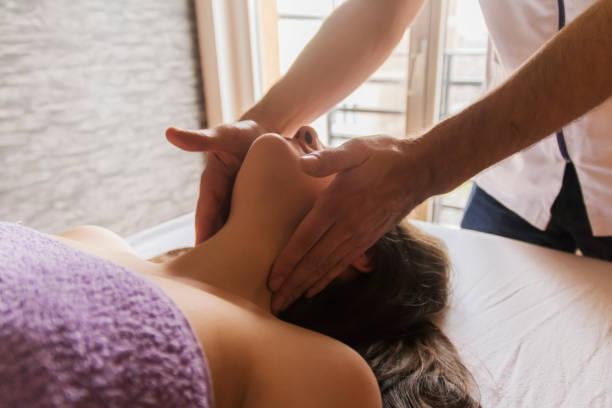
Maintaining body wellness involves understanding how the body manages fluid balance, supports immune function, and responds to everyday physical demands. Lymphatic massage is a gentle technique that may help manage certain types of swelling when used appropriately, while some people also find it relaxing. If you are considering Lymphatic massage in Riyadh (مساج لمفاوي الرياض), learning what happens during a session, the potential benefits, and the safety precautions can help you decide whether this treatment is suitable for your wellness goals.
What Is Lymphatic Massage?
Lymphatic massage, also known as manual lymphatic drainage, is a specialized technique that uses light, rhythmic movements on the skin to encourage lymph fluid movement through superficial lymphatic vessels. The lymphatic system collects excess fluid from tissues, transports it through lymph nodes, and returns it to the bloodstream.
Unlike traditional massage, which may focus on muscle tension, lymphatic massage uses gentle pressure and specific movements. It may be recommended for selected medical conditions, including lymphedema, as part of a broader management plan.
However, a healthy lymphatic system generally functions naturally without regular massage. Lymphatic massage is not essential for everyone and should not be considered a replacement for medical treatment or everyday healthy habits.
Potential Benefits of Lymphatic Massage
May Help Manage Certain Types of Swelling
One recognized use of manual lymphatic drainage is supporting the management of lymphedema, a condition in which lymph fluid builds up in tissues. When recommended by a qualified healthcare professional, the technique may help reduce swelling and improve symptom management.
Swelling can also result from circulatory problems, infection, medication effects, and other health conditions. Identifying the cause is important before deciding whether massage is appropriate.
May Support Selected Postoperative Recovery Plans
Some patients may receive lymphatic massage as part of a recovery plan after certain surgical procedures. It may help manage selected forms of fluid buildup when the treating surgeon approves the treatment.
The appropriate timing depends on the operation, tissue healing, and individual medical circumstances. Massage should never be started automatically after surgery or used to treat unexplained swelling.
Can Provide a Relaxing Experience
The gentle movements used during lymphatic massage may feel calming for some people. A session may provide a quiet opportunity to relax, although experiences differ from person to person.
It is important to distinguish relaxation from claims about improved immunity, detoxification, or weight loss. Evidence does not support describing lymphatic massage as a universal solution for these goals.
What Happens During a Lymphatic Massage Session?
Initial Consultation
Your appointment will generally begin with a discussion about your health, medical history, current symptoms, and reasons for seeking treatment. The practitioner may ask about previous surgeries, medications, and any conditions that could affect the safety of massage.
This assessment helps determine whether lymphatic massage is suitable or whether you should seek medical advice first.
Gentle Massage Techniques
During the session, a trained practitioner typically uses light, rhythmic movements designed to work with superficial lymphatic vessels. The technique differs from deep-tissue massage and should not involve forceful pressure.
The treatment area and sequence of movements depend on your individual needs. You should feel comfortable asking questions or requesting that the practitioner adjust or stop the treatment if you experience discomfort.
After the Session
Some people feel relaxed after treatment, while others may notice little immediate difference. If lymphatic massage is being used to manage a diagnosed condition, the outcome depends on the underlying cause, treatment plan, and individual response.
Temporary changes in swelling or body measurements should not be interpreted as fat loss or proof of detoxification. Results are not guaranteed, and some people may not benefit from the technique.
How to Prepare for Your Appointment
Preparing for a session is usually straightforward. A few simple steps can help make the experience more comfortable.
-
Share your medical history: Tell the practitioner about relevant conditions, medications, allergies, and recent procedures.
-
Wear comfortable clothing: Choose clothing that allows easy movement and access to the treatment area when necessary.
-
Maintain normal hydration: Drink water as you usually would unless your healthcare professional has advised you to restrict fluids.
-
Ask questions: Clarify the purpose of treatment, the expected sensations, and any precautions before beginning.
-
Follow medical advice: If you are recovering from surgery or managing a diagnosed condition, obtain the appropriate professional guidance before massage.
When considering Lymphatic massage in Riyadh, selecting a qualified practitioner who explains the treatment clearly is an important part of preparation.
Who Should Take Extra Precautions?
Lymphatic massage is not appropriate in every situation. Suspected blood clots, active infections, and certain heart or kidney conditions may require avoidance or medical clearance. People with unexplained, persistent, or worsening swelling should receive an appropriate medical assessment before treatment.
After surgery, always obtain approval from your treating surgeon and follow their recommendations about timing and technique.
Sudden swelling in one limb, particularly with pain, warmth, or redness, requires prompt medical assessment. Chest pain or shortness of breath requires emergency medical care. These symptoms should never be managed with massage alone.
How to Support Body Wellness Alongside Lymphatic Massage
Lymphatic massage should not be viewed as the foundation of a wellness routine. General health is better supported by sustainable habits, including regular movement suited to your abilities, balanced nutrition, adequate sleep, appropriate hydration, and medical care when needed.
For people with diagnosed lymphedema, a healthcare professional may recommend additional measures such as compression therapy, prescribed exercise, skin care, and regular monitoring. These treatments should be individualized rather than followed without guidance.
Choosing a Suitable Lymphatic Massage Provider
Look for a practitioner with relevant training in manual lymphatic drainage, experience appropriate to your needs, and a clear approach to screening for medical precautions. A responsible provider should explain the realistic benefits and limitations of treatment rather than promising dramatic or guaranteed results.
People exploring Lymphatic massage in Riyadh should prioritize professional qualifications, hygiene, communication, and an individualized assessment when comparing available options.
Book a Consultation at Royal Clinic Saudia
Lymphatic massage may support the management of selected types of swelling and offer a relaxing experience, but its suitability depends on your health and treatment goals. Royal Clinic Saudia ( عيادات رويال كلينك ) can provide information about available options and help you enquire whether lymphatic massage may be appropriate for your circumstances. Contact the clinic to discuss Lymphatic massage in Riyadh, learn about relevant safety precautions, and explore the next steps for your individual wellness needs.

 English
 Arabic
 French
 Spanish
 Portuguese
 Deutsch
 Turkish
 Dutch
Dutch
 Italiano
 Russian
 Portuguese (Brazil)
 Greek
Greek
