


Can Lymphatic Massage Help Reduce Swelling?
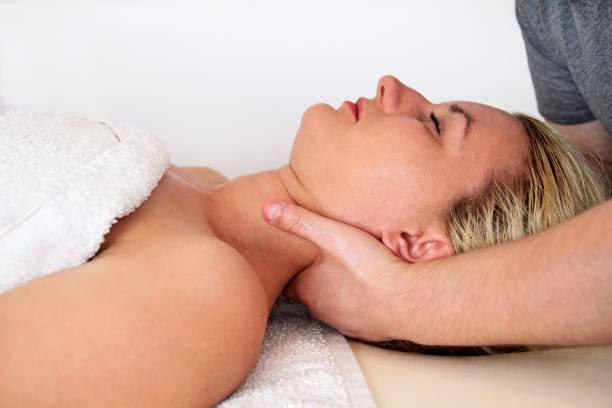
Swelling in different parts of the body can cause discomfort, heaviness, and a feeling of tightness that affects everyday activities. It may occur because of fluid buildup, surgery, certain medical conditions, or problems with the lymphatic system. Lymphatic massage is a gentle technique designed to encourage the movement of lymph fluid and help manage specific types of swelling. For people exploring Lymphatic Massage in Riyadh, understanding how this treatment works, its potential benefits, and its limitations can help them make informed decisions about their health and wellness. Although lymphatic massage can be beneficial in selected situations, its effectiveness depends on the cause of swelling and whether the treatment is medically appropriate.
Many people wonder whether lymphatic drainage can make swollen areas feel lighter, improve comfort, or support recovery after certain procedures. The answer is yes, in appropriate circumstances. Lymphatic Massage in Riyadh may be considered for individuals experiencing lymphedema or certain forms of postoperative swelling when recommended by a qualified healthcare professional. The technique uses light, rhythmic movements rather than deep pressure to encourage lymph fluid toward functioning drainage pathways. However, it is not suitable for every cause of swelling and should not replace medical evaluation when symptoms are unexplained or persistent.
What Causes Swelling in the Body?
Swelling, also known as edema, occurs when excess fluid accumulates in body tissues. It can affect the legs, ankles, arms, face, or other areas, depending on the underlying cause. Understanding why swelling develops is important before choosing an appropriate treatment.
Fluid Retention
Fluid can accumulate in tissues for several reasons, including prolonged sitting or standing, certain medications, and underlying health conditions. Mild swelling may improve with movement or other appropriate measures, but persistent or unexplained fluid retention should be assessed by a healthcare professional.
Lymphatic System Problems
The lymphatic system collects excess fluid from tissues and returns it to the bloodstream. When lymphatic vessels or nodes are damaged or do not function effectively, fluid may accumulate and cause lymphedema. This condition can produce persistent swelling, heaviness, and changes in the affected skin.
Swelling After Surgery
Some surgical procedures can temporarily cause inflammation and swelling during healing. In selected cases, a healthcare professional may recommend lymphatic drainage as part of recovery. The timing of treatment is important, and patients should follow their surgeon's instructions before receiving any massage.
How Does Lymphatic Massage Help Reduce Swelling?
Lymphatic massage, also called manual lymphatic drainage, uses gentle, repetitive movements to encourage the movement of lymph fluid through available lymphatic pathways. Unlike conventional massage, it does not focus on deeply kneading muscles or applying strong pressure.
Encourages Lymph Fluid Movement
A trained practitioner uses specific hand movements to support the movement of fluid from swollen tissues toward functioning lymphatic drainage areas. This may help reduce swelling in people with certain lymphatic conditions, although the results vary according to the cause and severity of the problem.
Helps Relieve Heaviness and Tightness
When excess fluid accumulates in tissues, the affected area may feel heavy, tight, or uncomfortable. If lymphatic drainage is appropriate for the condition, reducing fluid accumulation may improve comfort and movement. However, it cannot guarantee complete or permanent relief.
Supports Selected Postoperative Recovery Plans
Healthcare professionals sometimes include lymphatic drainage in recovery plans following certain procedures. Whether it is beneficial depends on the surgery, the individual's healing progress, and the presence of any complications. Medical clearance is essential before starting postoperative massage.
Which Areas Can Benefit From Lymphatic Massage?
The treatment area depends on the person's symptoms and medical needs. Lymphatic drainage may be used for selected cases of swelling in the arms, legs, or other body areas when the underlying condition makes the technique appropriate.
Face and Neck
Some people experience facial puffiness associated with temporary fluid accumulation. Gentle techniques may temporarily reduce puffiness in suitable individuals, but persistent facial swelling requires medical assessment to identify the cause.
Arms and Legs
Lymphatic drainage is commonly used as part of the management of lymphedema affecting the arms or legs. It may help manage fluid buildup and discomfort when incorporated into a comprehensive treatment plan.
After Cosmetic Procedures
Swelling may occur after certain cosmetic procedures as part of the normal healing process. A qualified healthcare professional should determine whether lymphatic massage is suitable and when it can safely begin. Massage should never be performed over healing incisions or treated areas without appropriate clearance.
What Happens During a Lymphatic Massage Session?
Initial Consultation
The practitioner should discuss your medical history, symptoms, treatment goals, and any recent procedures. This assessment helps determine whether lymphatic drainage is appropriate or whether further medical evaluation is needed.
Gentle, Rhythmic Movements
During treatment, the practitioner applies light pressure using controlled movements directed along appropriate lymphatic pathways. The technique should not cause significant pain or require forceful pressure. The session is adapted to the individual's needs and the area being treated.
Aftercare and Follow-Up
After treatment, you may receive recommendations regarding movement, skin care, compression garments, or follow-up sessions. The frequency of treatment depends on your condition and professional guidance. Some people need ongoing management rather than occasional massage.
Is Lymphatic Massage Suitable for Everyone?
Although lymphatic drainage is generally well tolerated when appropriately performed, it is not suitable for everyone. Certain serious heart or kidney conditions, acute infections, and suspected blood clots may make massage inappropriate. A medical assessment is particularly important when swelling develops suddenly, affects only one leg, or is accompanied by redness, warmth, or pain.
Seek emergency medical attention if swelling occurs with chest pain or shortness of breath. Do not attempt to manage potentially serious symptoms with massage alone.
Choosing Professional Lymphatic Massage in Riyadh
Selecting a suitably trained practitioner is important when considering lymphatic drainage. A professional assessment can help identify your goals, review possible contraindications, and determine whether the treatment should be part of a broader healthcare plan. Lymphatic Massage in Riyadh should be approached as a targeted technique for appropriate conditions rather than a universal solution for puffiness, weight loss, or body contouring.
Before booking, ask about the practitioner's training, the techniques used, expected outcomes, and any precautions relevant to your medical history. Realistic expectations and personalized guidance can help you make a more informed choice.
Book Your Consultation at Royal Clinic Saudia
If swelling, fluid buildup, or a feeling of heaviness is affecting your comfort, consider arranging a consultation to discuss your concerns. Royal Clinic Saudia can help you explore suitable treatment options and understand whether lymphatic drainage may fit your individual needs. Contact the clinic to discuss your goals and receive guidance before beginning treatment.
FAQs:
Can lymphatic massage reduce swelling immediately?
Some people may notice temporary improvement after a session, particularly when the swelling is related to fluid accumulation that responds to treatment. Results vary, and multiple sessions or additional therapies may be necessary for certain conditions.
How many sessions are needed to reduce swelling?
The number of sessions depends on the cause, severity, and duration of swelling. A healthcare professional can recommend an appropriate treatment schedule based on your individual circumstances.
Can lymphatic massage reduce swelling after surgery?
It may help manage swelling after selected surgical procedures, but only when approved by the treating surgeon or healthcare professional. The appropriate timing depends on the procedure and the stage of healing.
Does lymphatic massage permanently prevent swelling?
Not necessarily. Some conditions require long-term management, and swelling may return if the underlying cause remains. Depending on the diagnosis, treatment may also involve compression, exercise, skin care, and medical follow-up.

 English
 Arabic
 French
 Portuguese
 Deutsch
 Turkish
 Dutch
Dutch
 Italiano
 Russian
 Romaian
 Portuguese (Brazil)
 Greek
Greek
