


Rhinoplasty Surgery: Benefits, Risks, and Considerations
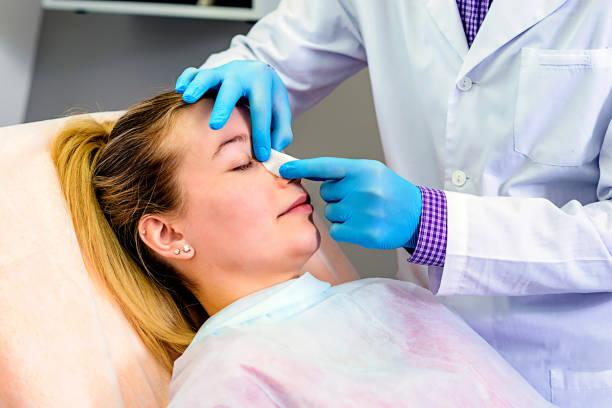
Rhinoplasty is a surgical procedure that changes the shape, size, or structure of the nose to address aesthetic concerns, certain breathing problems, or both. People may consider surgery to refine a prominent nasal bridge, improve nasal symmetry, reshape the tip, or correct structural changes caused by an injury. Understanding the benefits, potential complications, and factors involved in treatment planning is essential before making a decision. For individuals researching Rhinoplasty in Riyadh (عملية تجميل الأنف في الرياض), learning about the procedure and its limitations can help them approach a consultation with realistic expectations.
What Is Rhinoplasty Surgery?
Rhinoplasty, often called a nose job, involves modifying selected nasal structures to achieve specific treatment goals. Depending on the patient's anatomy, the surgeon may reshape cartilage, adjust nasal bones, refine the nasal tip, or improve structural support.
The procedure can be performed for cosmetic reasons or to address selected functional concerns. Some patients want to change the external appearance of their nose, while others experience breathing difficulties related to nasal structure. A detailed consultation helps determine whether rhinoplasty is appropriate and which surgical approach may suit the individual's needs.
Benefits of Rhinoplasty Surgery
Improving Nasal Shape and Proportion
One potential benefit of rhinoplasty is the ability to adjust nasal features that a patient finds disproportionate or distracting. Surgery may address a prominent bridge, a broad tip, uneven contours, or selected concerns involving nostril width.
The aim is to create a result that complements the patient's facial features rather than follow a standard nasal shape. The amount of improvement depends on existing anatomy, skin thickness, healing, and the changes that can be safely achieved.
Supporting Better Facial Harmony
The nose occupies a central position on the face, so its proportions can influence overall facial balance. Carefully planned changes may create a more harmonious relationship between the nose, forehead, cheeks, lips, and chin.
Patients should understand that facial features naturally differ from side to side. Rhinoplasty can sometimes reduce visible asymmetry, but perfect symmetry or an exact copy of a reference photograph cannot be guaranteed.
Addressing Selected Breathing Concerns
Rhinoplasty may also help address structural problems that interfere with nasal airflow. Functional rhinoplasty can modify or support nasal structures when an identified abnormality contributes to breathing difficulties.
In some cases, a deviated septum may require septoplasty, which corrects the wall separating the nasal passages. Not all breathing problems are caused by structural abnormalities, so an appropriate medical assessment is necessary before considering surgery for this purpose.
Providing Individualized Treatment
Rhinoplasty is planned around the patient's anatomy, concerns, and medical needs. A surgeon may recommend open or closed rhinoplasty depending on the complexity of the changes required. Neither approach is universally better for every patient.
Individualized planning helps establish realistic goals and considers both appearance and nasal function. It also provides an opportunity to discuss what surgery can and cannot achieve.
Risks and Potential Complications of Rhinoplasty
Like other surgical procedures, rhinoplasty carries risks. Understanding them helps patients weigh the potential benefits against the possible disadvantages.
Common Recovery Symptoms
Swelling, bruising, tenderness, and temporary nasal congestion are common during the early recovery period. These symptoms generally improve over time, but the pace of healing differs among individuals.
Some swelling, particularly around the nasal tip, may remain for several months. Patients should avoid judging the final result too early and follow the surgeon's recommendations for postoperative care.
Possible Surgical Complications
Potential complications include bleeding, infection, scarring, persistent swelling, asymmetry, changes in sensation, breathing difficulties, and dissatisfaction with the final appearance. In some cases, further surgery may be needed to address functional problems or an unsatisfactory result.
No surgeon can guarantee a particular outcome. Patients should discuss their personal risk factors, the possibility of revision surgery, and the steps used to manage complications before proceeding.
Changes in Nasal Function
Although rhinoplasty may improve certain structural breathing problems, changes to the nasal framework can sometimes create or worsen airflow difficulties. Preserving adequate support is therefore an important part of surgical planning.
Patients with existing congestion, allergies, previous nasal surgery, or breathing difficulties should share this information during consultation. A surgeon can then assess whether additional evaluation or treatment is needed.
Important Considerations Before Rhinoplasty
Choosing a Qualified Surgeon
Selecting an appropriately qualified and experienced surgeon is an important step. Patients should verify the surgeon's credentials, experience with the planned procedure, and familiarity with both cosmetic and functional nasal anatomy.
It is also useful to ask about the surgical setting, anesthesia, follow-up arrangements, complication management, and the possibility of further treatment. Before-and-after photographs may help explain the surgeon's approach, although another patient's result does not predict an individual's outcome.
Setting Realistic Expectations
Patients should identify the changes they hope to achieve and discuss them openly with the surgeon. Reference photographs can help communicate preferences, but differences in bone structure, cartilage, skin thickness, and facial proportions mean that identical results are not realistic.
A good treatment plan prioritizes achievable improvements, structural stability, and nasal function. Surgery should be a considered personal decision rather than a response to pressure from others.
Reviewing Medical History and Preparation
Before surgery, patients should discuss their medical conditions, medications, allergies, previous procedures, and nicotine use. The surgical team will provide instructions about medication adjustments, eating and drinking before anesthesia, and arrangements for returning home after the procedure.
Patients should not stop prescribed medication without medical advice. Following preoperative instructions can help reduce avoidable risks and support safer preparation.
What to Expect During Recovery
Recovery usually involves a period of rest, temporary swelling, and scheduled follow-up appointments. Patients may need to wear a nasal splint during the early healing stage and should avoid strenuous exercise or activities that could cause an impact to the nose until cleared by their surgeon.
Many visible signs of swelling and bruising improve within the first few weeks, but subtle changes continue as the tissues heal. The final nasal appearance may take a year or longer to develop. Patients should contact their surgical team if they experience fever, increasing pain, unusual discharge, or significant bleeding. Severe breathing difficulty or uncontrolled bleeding requires urgent medical attention.
Book an Appointment at Royal Clinic Saudia
Rhinoplasty can offer aesthetic or functional benefits for suitable patients, but the decision requires careful consideration of individual goals, medical history, potential risks, and recovery needs. Royal Clinic Saudia ( عيادات رويال كلينك ) can be contacted to discuss consultation options and personalized treatment planning. If you are exploring Rhinoplasty in Riyadh, consult a qualified surgeon to understand the available approaches, realistic outcomes, and possible complications before deciding whether surgery is right for you.
 French
 English
 Arabic
 Spanish
 Portuguese
 Deutsch
 Turkish
 Dutch
Dutch
 Italiano
 Russian
 Romaian
 Portuguese (Brazil)
 Greek
Greek
