


Are Palace skateboards good?
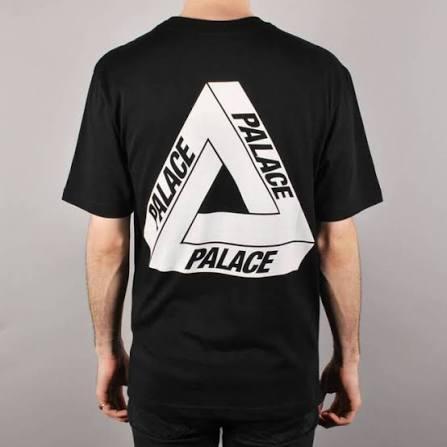
They look like solid decks on paper, but I couldn’t find independent rider reviews to prove it. Retailer listings describe standard seven-ply maple construction in a range of widths, which is what you’d expect from a respected skate label.
So the honest answer is: probably, and you can check it yourself. This guide shows what to look for, so you can judge a deck in your hands instead of trusting hype.
What the build looks like on paper
Most listings I found describe the same core construction. One retailer says its 8.5-inch deck uses durable seven-ply maple and delivers reliable pop and board feel.
Treat that as a marketing copy. It’s useful for specs, but it’s not a test result. What matters is the standard it implies:
-
Seven-ply maple. This is the normal construction for quality street decks.
-
Graphic finish. Artwork is part of the appeal, and it affects collector interest as much as ride feel.
-
Range of shapes. Different widths and pro models suit different riding styles.
If a deck meets the seven-ply maple standard, it’s built the way most serious decks are built. Pop, concave and durability then depend on the press and the individual board.
Which width fits how you ride
Width is the choice that changes how a deck feels. Listings describe different widths for different jobs:
-
Around 8.0 inches. One listing calls its 8.0-inch pro deck lightweight and responsive, built for technical street skating. Narrower boards feel quick under your feet.
-
Around 8.1 to 8.25 inches. An 8.1-inch listing describes a versatile setup that feels quick for technical tricks while staying stable for rails, ledges and stairs. This is the all-rounder zone.
-
Around 8.5 inches. An 8.5-inch listing positions the wider shape as a balance of stability and responsiveness for street and park. Wider boards give more platform for stability and bigger terrain.
A simple rule: pick the width you already ride comfortably. If you’re new, 8.0 to 8.25 inches suits most riders. If you have big feet or ride transition, go wider. Your feet should decide, not the graphic.
What to check before you buy a deck
You can’t ride a deck in a store, but you can inspect it. Run this checklist:
-
Look along the edge. Veneers should stack evenly, with no gaps or lifting layers.
-
Sight down the length. The board should sit flat with no warping.
-
Press the nose and tail. The kicks should feel firm and symmetrical.
-
Check the concave. The dish should look even from nose to tail.
-
Examine the print. Graphics should be crisp, with clean edges.
-
Confirm authenticity. Buy from the official palace shop or authorized retailers.
Quality can vary between production runs, even within one brand. That’s normal in skateboarding, so inspect every deck. Keep in mind that only riding will reveal pop and feel.
Price and value
Cost is part of “good.” One Canadian retailer lists several pro and graphic decks at a regular price of $109.95. That’s a premium over many entry-level decks, so check the official palace shop and compare.
Before you spend, add up the real total:
-
Deck price.
-
Griptape, if it isn’t included.
-
Trucks, wheels and bearings if you’re building a complete setup.
-
Shipping and duties, especially for orders across borders. Decks can carry extra shipping restrictions.
A good deck is one you’ll actually ride, so value drops fast if you hang it on a wall. If that’s the plan, buy the artwork and be honest about it.
Rider or collector?
Ask yourself which one you are:
-
Rider. Pick the width and shape first, graphic second.
-
Collector. Buy sealed, check authenticity and store it flat and dry.
-
Both. Buy two, one to ride and one to keep.
Where Palace clothing fits the skate story
Most readers of this site care about what they wear, so here’s the link. The label’s skate credentials shape its apparel. Palace clothing leans relaxed, which makes layering easy, and the graphics carry the same humor as the decks.
For warmth, judge each piece on its own. Hold fleece up to the light. If you can see through it, it won’t hold heat. Check ribbed cuffs, even stitching and print durability. A deck being good doesn’t guarantee every hoodie is, so inspect before you buy.
FAQ: Are Palace skateboards good?
Are Palace skateboards good quality?
Retailer listings describe standard seven-ply maple construction, which is the usual benchmark. I found no independent rider tests, so inspect the edge, concave and print on each deck and rely on your own ride feel.
What width of Palace deck should I buy?
Choose the width you already ride. Around 8.0 inches feels quick for technical street skating, 8.1 to 8.25 suits most all-round riders, and 8.5 gives more stability for bigger terrain or larger feet.
Are Palace skateboards worth the price?
One retailer lists pro and graphic decks around $109.95. That’s a premium price, so it’s worth it if you ride the deck or love the graphics. If you only want a display piece, compare prices carefully.
Are Palace skateboards good for beginners?
They can be, but they cost more than basic decks. A beginner is better served by a mid-width deck around 8.0 to 8.25 inches, whatever the brand. Spend more only when you’re sure you’ll keep skating.
Where should I buy Palace skateboards?
Buy from the official palace shop or authorized skate retailers. Both give you authentic stock and clear returns. Avoid sellers with unusually low prices on sold-out graphics, since counterfeit decks circulate on resale platforms.
Conclusion: good on paper, great when it fits you
So, are Palace skateboards good? The specs point to well-built seven-ply decks in sensible widths, and I’d call that a safe bet. Still, only riding proves it, and I couldn’t find independent tests to back the marketing. Palace clothing carries the same skate DNA into your wardrobe, but judge each piece by fabric and fit.
Choose your width, inspect the build and buy from the official palace shop.

 English
 Arabic
 French
 Spanish
 Portuguese
 Deutsch
 Turkish
 Italiano
 Russian
 Romaian
 Portuguese (Brazil)
 Greek
