


Risks and Possible Side Effects of Laser Tattoo Removal
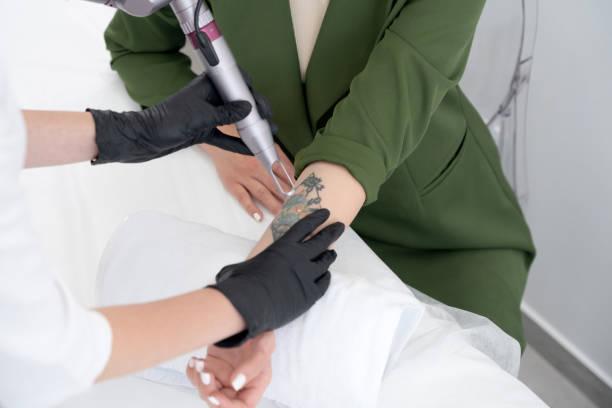
Laser tattoo removal is a popular treatment for people who want to fade or remove unwanted tattoos. Although modern laser technology can target tattoo pigments effectively, the procedure may cause temporary side effects and, in some cases, longer-lasting skin changes. Understanding these risks before treatment helps individuals make informed decisions and prepare for proper aftercare.
Choosing Laser Tattoo Removal in Riyadh involves understanding how the procedure works, what to expect during recovery, and how to reduce the likelihood of complications. Whether you want to remove an old tattoo or fade a design before covering it with new artwork, knowing the potential risks can help you approach treatment with realistic expectations.
How Does Laser Tattoo Removal Work?
Laser tattoo removal uses concentrated pulses of light to break tattoo ink into smaller particles. The body's immune system gradually processes these particles over time. Multiple sessions are usually necessary because different ink colors, tattoo depths, and skin types respond differently to laser treatment.
People searching for tattoo removal near me should consider the clinic's safety standards, the suitability of its laser technology, and the availability of professional aftercare guidance. A proper assessment before treatment helps identify potential risks and establish an appropriate treatment plan.
Common Side Effects of Laser Tattoo Removal
Redness and Swelling
Redness and mild swelling are common immediately after laser treatment. These reactions generally indicate that the skin is responding to the laser energy. They usually improve within a few days, although recovery time varies depending on the treatment area and individual skin sensitivity.
Applying a clean, cool compress as recommended by the treatment provider and following aftercare instructions can help manage discomfort.
Blisters and Scabbing
Small blisters, scabs, or crusting may develop after a session. Although these reactions can be concerning, they may occur as part of the skin's healing process. It is important not to pop blisters, pick scabs, or scratch the treated area, as doing so can increase the risk of infection and scarring.
Temporary Changes in Skin Color
Laser treatment can affect the skin's natural pigmentation. Some individuals experience hyperpigmentation, which causes darker patches, while others develop hypopigmentation, which makes the treated area appear lighter.
These changes may improve over time, but occasionally they persist. People with darker skin tones may require particular care when selecting laser settings to reduce the risk of unwanted pigmentation changes.
Less Common but Serious Risks
Scarring and Skin Texture Changes
Although uncommon with appropriate treatment, laser tattoo removal can sometimes cause permanent scarring or changes in skin texture. The risk may increase when the skin is damaged, scabs are picked, or aftercare instructions are not followed.
A qualified professional should assess the tattoo and skin before treatment to help minimize avoidable complications.
Infection
Damaged skin can become vulnerable to infection, especially if the treated area is handled with unclean hands or exposed to irritating products. Increasing redness, worsening pain, spreading warmth, pus, or fever may indicate an infection and require prompt medical evaluation.
Allergic Reactions
Some tattoo pigments may trigger allergic reactions when laser energy breaks down the ink. Certain pigments can produce unexpected inflammatory responses, including itching, swelling, or raised skin. Anyone with a history of tattoo-related allergies should discuss this with the treatment provider before proceeding.
How to Reduce the Risks of Laser Tattoo Removal
Choose an Appropriate Treatment Provider
Selecting an experienced, appropriately qualified treatment professional is an important safety consideration. The provider should evaluate your skin type, tattoo colors, ink depth, medical history, and previous reactions before recommending treatment.
Follow Pre-Treatment and Aftercare Instructions
Keep the skin clean and follow the clinic's guidance on wound care, dressings, and suitable skincare products. Avoid picking, scratching, or rubbing the treated area. Protect the skin from direct sunlight and use sun protection as recommended by your provider.
Allow Enough Time Between Sessions
The skin needs time to recover between treatments. Scheduling sessions too close together may increase irritation and interfere with healing. Your provider should recommend an appropriate interval based on your skin's recovery and treatment response.
Who Should Take Extra Precautions?
Individuals with a history of keloid scarring, active skin infections, certain skin conditions, or previous reactions to tattoo pigments should seek a professional assessment before treatment. Recent tanning and some medications may also affect treatment suitability.
Pregnancy, breastfeeding, and particular medical circumstances may require delaying elective procedures or obtaining medical advice. Always disclose relevant medical information so your provider can assess the safest approach.
Frequently Asked Questions
Is laser tattoo removal safe for all skin types?
Laser tattoo removal can be performed on different skin types, but treatment settings and laser selection must be tailored to the individual. Certain skin tones may have a higher risk of pigmentation changes, making professional assessment particularly important.
How long do side effects usually last?
Mild redness and swelling often improve within a few days. Blisters and scabs may take longer to heal. Persistent pain, worsening symptoms, or signs of infection should be evaluated by a healthcare professional.
Can laser tattoo removal leave permanent scars?
Yes, scarring is possible, although it is not inevitable. Appropriate laser settings, professional treatment, and careful aftercare can help reduce the risk.
Can laser treatment cause skin discoloration?
Yes. Temporary or persistent darkening or lightening of the skin may occur. Your skin type, tattoo characteristics, and treatment settings can influence this risk.
How many sessions are needed to remove a tattoo?
The number of sessions depends on the tattoo's size, colors, ink depth, location, and individual response. Several sessions are commonly required, with recovery time between appointments.
Book a Consultation at Enfield Royal Clinic
If you are considering tattoo removal, understanding the potential side effects is an important first step. Enfield Royal Clinic can help you explore suitable treatment options, discuss your skin concerns, and understand the precautions involved. Arrange a consultation to receive an individualized assessment and learn how to approach laser tattoo removal with realistic expectations and a focus on skin safety.

 English
 Arabic
 French
 Spanish
 Portuguese
 Deutsch
 Turkish
 Italiano
 Russian
 Romaian
 Portuguese (Brazil)
 Greek
