


Common Myths and Facts About Laser Tattoo Removal
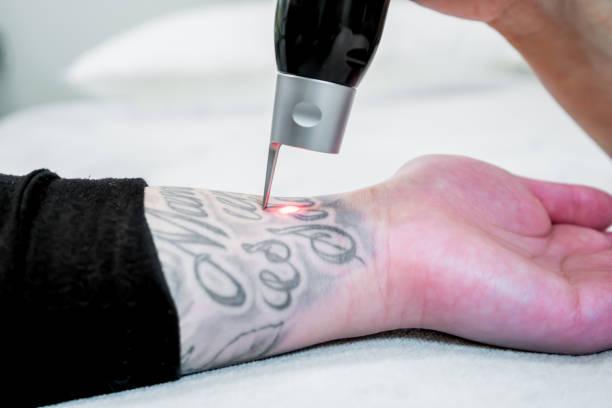
Many people consider removing an unwanted tattoo but hesitate because of misconceptions about pain, safety, effectiveness, and recovery. tattoo removal riyadh is a professional treatment that uses targeted laser energy to break tattoo pigments into smaller particles, allowing the body to gradually clear them. Understanding the facts behind common myths can help you make informed decisions, set realistic expectations, and determine whether laser tattoo removal may be suitable for your skin and tattoo.
Myth 1: Laser Tattoo Removal Removes Every Tattoo Completely
Fact: Results depend on the tattoo and individual response.
Laser tattoo removal can significantly fade many tattoos, but complete removal is not guaranteed. Some tattoos respond more effectively than others because of differences in ink color, pigment depth, density, and composition.
Why Some Tattoos Are More Difficult to Remove
Black and certain dark-colored inks often respond well to suitable laser wavelengths. However, green, turquoise, yellow, and some light-colored pigments can be more challenging to treat. Dense professional tattoos may also require additional sessions.
A qualified practitioner can assess the tattoo and explain the likely outcome before treatment begins. In some cases, residual pigment or changes in skin appearance may remain after multiple sessions.
Myth 2: One Laser Session Is Enough
Fact: Most tattoos require multiple sessions.
Laser treatment works gradually. Each session breaks down some of the pigment, and the body's immune system needs time to process and clear the fragmented particles. This is why tattoo removal usually involves several appointments rather than a single procedure.
Why Treatments Are Spaced Apart
The skin needs time to recover after each session, and pigment clearance continues between appointments. Treatments are commonly separated by several weeks or longer, depending on healing and professional recommendations.
Scheduling sessions too close together does not necessarily speed up removal and may increase the risk of complications. Your practitioner will recommend an appropriate interval based on your response to treatment.
Myth 3: Laser Tattoo Removal Is Always Extremely Painful
Fact: Discomfort varies from person to person.
During treatment, people may experience a snapping sensation, warmth, or brief discomfort. The intensity depends on factors such as tattoo location, size, treatment settings, and personal pain sensitivity.
Managing Discomfort During Treatment
A qualified practitioner may use cooling methods or other appropriate comfort measures. If you are concerned about pain, discuss your options before the session. Do not apply numbing creams or take medication specifically for the procedure without confirming that it is appropriate with your provider.
Temporary tenderness, redness, and swelling may occur after treatment, but these effects generally improve as the skin heals.
Myth 4: Laser Tattoo Removal Always Causes Scarring
Fact: Scarring is possible, but it is not inevitable.
Professional laser tattoo removal aims to target tattoo pigments while minimizing damage to surrounding tissue. However, complications such as blistering, infection, burns, and scarring can occur.
How to Reduce the Risk of Scarring
Choosing a qualified practitioner, using suitable laser settings, and following aftercare instructions can help reduce avoidable risks. Avoid scratching, picking at blisters, or removing scabs, as these actions can damage healing skin.
People with a history of keloids or abnormal scarring should discuss this with their practitioner before treatment. An individualized assessment helps determine whether laser removal is appropriate.
Myth 5: All Laser Tattoo Removal Technologies Work the Same Way
Fact: Different laser technologies and wavelengths target pigments differently.
Q-switched lasers deliver short, high-energy pulses and are used to treat many tattoo colors. Picosecond lasers deliver even shorter pulses and may offer advantages for selected pigments. Neither technology guarantees complete removal or fewer sessions for every tattoo.
Choosing the Appropriate Laser
The best option depends on the tattoo's colors, ink composition, skin tone, and previous treatment history. Different wavelengths may be needed to address different pigments within a multicolored tattoo.
For people exploring Laser Tattoo Removal in Riyadh, a professional assessment can help determine which available technology may be appropriate for their individual needs.
Myth 6: Darker Skin Cannot Be Treated With Laser Tattoo Removal
Fact: People with different skin tones may be candidates, but treatment requires careful planning.
Laser energy can interact with melanin, the natural pigment in the skin, as well as tattoo ink. This means the choice of wavelength and treatment settings is important for reducing the risk of burns and temporary or lasting pigmentation changes.
The Importance of Skin Assessment
A qualified practitioner evaluates skin tone, tattoo characteristics, medical history, and previous reactions before selecting a treatment approach. Some patients may require more conservative settings or additional precautions.
No single treatment plan is suitable for everyone, so professional assessment is essential before proceeding.
Myth 7: Tattoo Removal Results Are Immediate
Fact: Tattoo fading happens gradually over time.
The laser breaks pigment into smaller particles, but the body needs time to process them. Some fading may become noticeable after the first few sessions, while other tattoos respond more slowly.
What Influences Visible Progress?
Tattoo age, ink density, color, depth, and individual healing can affect how quickly results appear. Some pigments may remain visible even after repeated treatments.
Patients should allow adequate time between sessions and avoid comparing their progress directly with someone else's experience. Your practitioner can review the results and adjust the treatment plan when appropriate.
Myth 8: Aftercare Is Not Important Once the Session Ends
Fact: Proper aftercare is an essential part of treatment.
The treated area may develop redness, swelling, tenderness, blisters, or scabs. Following the recommended aftercare routine helps protect the skin while it heals.
Essential Aftercare Practices
Keep the area clean according to your practitioner's instructions, avoid picking at the skin, and protect the treated area from excessive sun exposure. Avoid swimming while the skin remains open or blistered, and use only recommended wound-care products.
Contact a healthcare professional if you experience worsening pain, spreading redness, unusual discharge, or other signs of infection.
Book an Appointment at Royal Clinic Saudia
Understanding the facts about laser tattoo removal can help you make confident, informed decisions about treatment. Although many tattoos can be faded effectively, results depend on the ink, skin characteristics, laser technology, and individual response. At Royal Clinic Saudia, you can discuss Laser Tattoo Removal in Riyadh with a qualified professional and learn about suitable treatment options, potential risks, and aftercare requirements. A personalized consultation can help establish realistic expectations and determine the next steps toward your tattoo removal goals.
 Portuguese (Brazil)
 English
 Arabic
 French
 Spanish
 Portuguese
 Deutsch
 Turkish
 Dutch
 Italiano
 Russian
 Romaian
 Greek
