


Nutritional Deficiencies During Pregnancy
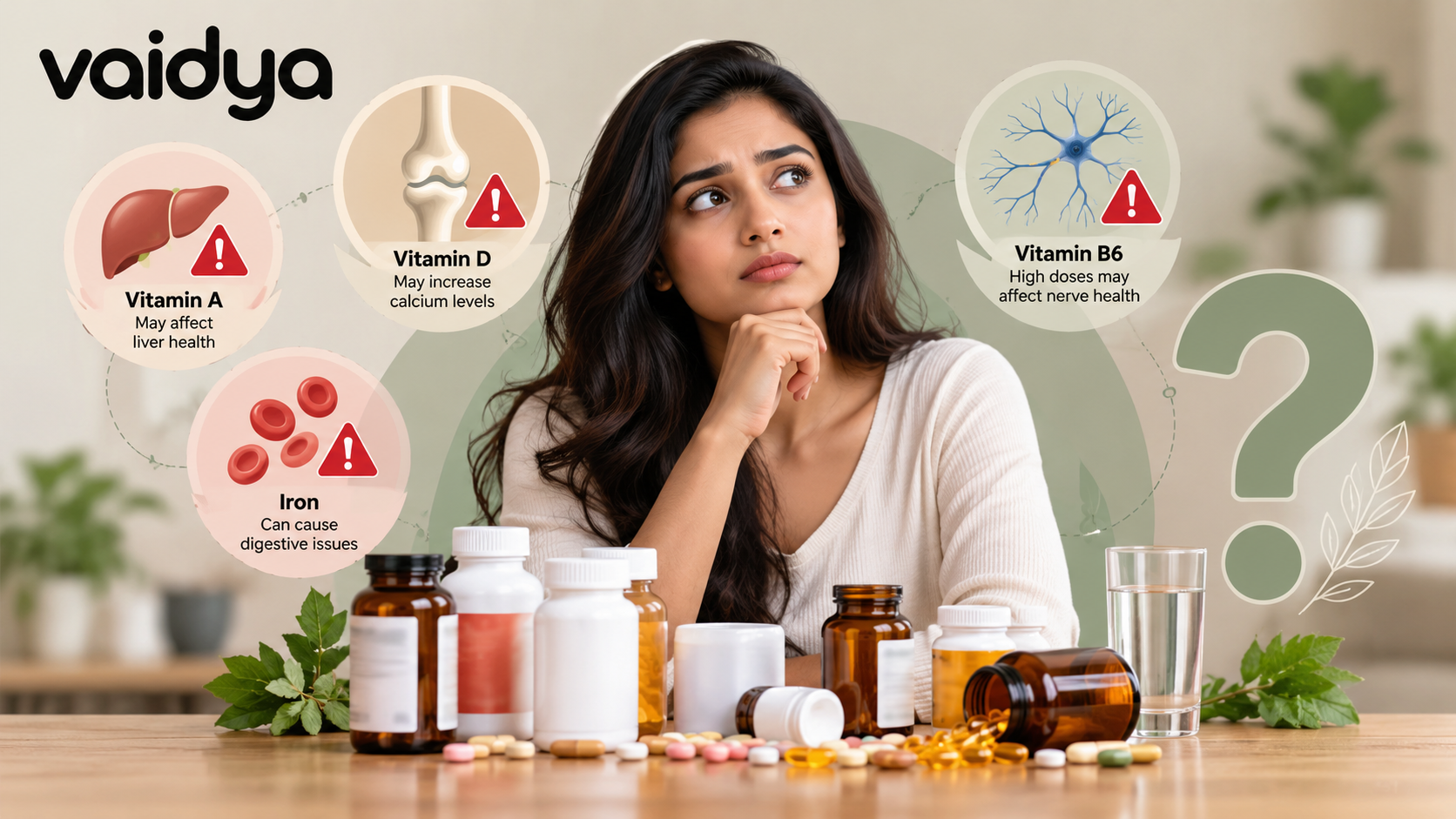
Nutritional Deficiencies During Pregnancy: What Women Should Know
Pregnancy is a time of significant physical and nutritional changes. As the baby develops, a woman's body requires additional nutrients to support healthy growth, blood production, and normal organ function.
However, morning sickness, poor appetite, restrictive diets, and increased nutritional requirements can make it difficult to obtain adequate vitamins and minerals.
Nutritional deficiencies during pregnancy can affect maternal health and, in some cases, fetal development. Understanding which nutrients are important, recognising possible warning signs, and following appropriate prenatal care can help reduce nutritional risks.
Why Do Nutritional Deficiencies Occur During Pregnancy?
During pregnancy, the body needs additional nutrients to support the placenta, expanding maternal blood volume, and developing baby.
Several factors can contribute to nutritional deficiencies:
-
Increased requirements for certain vitamins and minerals
-
Persistent nausea and vomiting
-
Limited dietary variety
-
Vegetarian or vegan diets without reliable vitamin B12 sources
-
Pre-existing nutritional deficiencies
-
Medical conditions affecting nutrient absorption
-
Multiple pregnancies, which may require closer nutritional assessment
Not every pregnant woman develops a deficiency. Individual needs depend on dietary intake, medical history, and pregnancy-related circumstances.
1. Iron Deficiency During Pregnancy
Iron is essential for producing haemoglobin, the protein that helps red blood cells carry oxygen throughout the body.
During pregnancy, iron requirements increase because maternal blood volume expands and the developing baby also needs iron.
Insufficient iron can lead to iron-deficiency anemia.
Common symptoms include:
-
Persistent fatigue and weakness
-
Dizziness or lightheadedness
-
Shortness of breath
-
Pale skin
-
Headaches and reduced stamina
According to the World Health Organization, daily supplementation with 30–60 mg of elemental iron and 400 micrograms of folic acid is recommended during pregnancy to help prevent maternal anemia and certain adverse pregnancy outcomes.
The appropriate prescription should follow local antenatal guidelines and individual medical advice.
2. Folate Deficiency and Baby's Development
Folate, also known as vitamin B9, supports DNA synthesis and normal cell division.
It is especially important during early pregnancy because adequate folic acid intake helps reduce the risk of neural tube defects affecting the baby's brain and spinal cord.
Good dietary sources include:
-
Leafy green vegetables
-
Lentils and beans
-
Citrus fruits
-
Fortified cereals
-
Chickpeas
Folic acid supplementation is recommended before conception and during early pregnancy because food alone may not reliably provide the recommended protective intake.
Women with certain medical conditions or previous pregnancies affected by neural tube defects may require individually prescribed higher doses.
3. Vitamin B12 Deficiency During Pregnancy
Vitamin B12 supports red blood cell formation, nervous system function, and normal fetal development.
Women following vegan diets or experiencing absorption problems may have a higher risk of inadequate vitamin B12 levels.
Possible symptoms include fatigue, weakness, tingling sensations, and difficulty concentrating.
Reliable dietary sources include dairy products, eggs, fish, meat, and fortified foods.
Women considering vitamin tablets for women should understand that pregnancy-specific nutritional requirements may differ from those addressed by ordinary daily supplements.
4. Calcium and Vitamin D Deficiency
Calcium supports the development of the baby's bones and teeth while contributing to normal maternal muscle and nerve function.
Vitamin D helps the body absorb calcium.
Useful calcium sources include milk, yoghurt, paneer, calcium-fortified plant-based drinks, and certain leafy vegetables.
Vitamin D can be obtained from fortified foods, some animal-derived foods, supplements, and sunlight exposure.
According to the NIH Office of Dietary Supplements, pregnant adults aged 19–50 generally require 1,000 mg of calcium and 15 micrograms (600 IU) of vitamin D daily.
These are total daily intake recommendations, not automatic supplement doses.
5. Iodine Deficiency and Thyroid Health
Iodine is required for thyroid hormone production and supports normal fetal brain and nervous system development.
Pregnancy increases iodine requirements.
Iodised salt, dairy products, eggs, and seafood can contribute to iodine intake.
However, excessive iodine can also be harmful. Pregnant women should avoid high-dose iodine supplements unless advised by their healthcare professional.
Can Multivitamins Prevent Nutritional Deficiencies During Pregnancy?
Prenatal supplements can help women meet increased nutritional requirements, particularly for nutrients such as folic acid and iron.
However, ordinary multi vitamin tablets for women are not necessarily formulated for pregnancy.
A women's daily multivitamin may contain useful nutrients, but its quantities and ingredients should be reviewed before use during pregnancy.
Pregnant women should choose supplements recommended by their antenatal healthcare professional rather than combining several products independently.
Are Ayurvedic Multivitamins Safe During Pregnancy?
Some women consider herbal or traditional supplements for general wellness.
However, natural ingredients are not automatically safe during pregnancy.
An ayurvedic multivitamin for women may contain herbal extracts or other ingredients that have not been adequately studied in pregnant women.
Similarly, ayurvedic multivitamin tablets should not be used as substitutes for prescribed prenatal supplements without medical approval.
When comparing multivitamin tablets for womens in india, pregnancy-specific safety and appropriate nutrient levels are more important than general wellness claims.
How Are Nutritional Deficiencies Diagnosed During Pregnancy?
Doctors assess nutritional health through dietary history, symptoms, antenatal examinations, and selected blood tests.
A complete blood count is commonly used to screen for anemia.
Additional tests, such as ferritin, vitamin B12, or vitamin D, may be recommended when symptoms or risk factors suggest a deficiency.
Not every pregnant woman requires every vitamin test.
How Can Women Prevent Nutritional Deficiencies During Pregnancy?
Several practical habits can help support adequate nutrition:
-
Eat a varied diet containing vegetables, fruits, whole grains, and protein sources.
-
Include iron-rich foods such as lentils, beans, and appropriately prepared animal foods.
-
Combine plant-based iron sources with vitamin C-rich foods.
-
Follow prescribed iron and folic acid supplementation.
-
Include reliable sources of calcium, iodine, and vitamin B12.
-
Attend regular antenatal appointments.
-
Avoid unnecessary high-dose supplements.
-
Discuss persistent vomiting or difficulty eating with a healthcare professional.
Women experiencing severe vomiting, fainting, or an inability to keep fluids down should seek prompt medical assessment.
Frequently Asked Questions
Which nutritional deficiency is common during pregnancy?
Iron deficiency is an important nutritional concern during pregnancy because iron requirements increase substantially.
Can vitamin deficiencies affect a baby's development?
Yes. Certain deficiencies, particularly inadequate folate or iodine, can affect normal fetal development. The effects depend on the nutrient, severity, and timing of deficiency.
Should every pregnant woman take multivitamins?
Pregnant women should follow antenatal recommendations for supplements, particularly iron and folic acid. Whether a broader prenatal multivitamin is appropriate depends on individual circumstances.
Can food alone meet all pregnancy nutritional needs?
A balanced diet provides many essential nutrients, but recommended folic acid and iron supplementation remains important during pregnancy.
Conclusion
Nutritional deficiencies during pregnancy deserve attention because maternal nutrition supports both the mother's health and the baby's development.
Iron, folate, vitamin B12, calcium, vitamin D, and iodine are among the nutrients that may require particular consideration.
A balanced diet, appropriate prenatal supplementation, and regular medical monitoring can help reduce nutritional risks.
The safest approach is to follow personalised antenatal advice rather than relying on ordinary multivitamins or self-prescribed supplements during pregnancy.

 English
 Arabic
 French
 Spanish
 Portuguese
 Deutsch
 Turkish
 Italiano
 Russian
 Romaian
 Portuguese (Brazil)
 Greek
