


Mole Removal for Raised Moles: Treatment Options
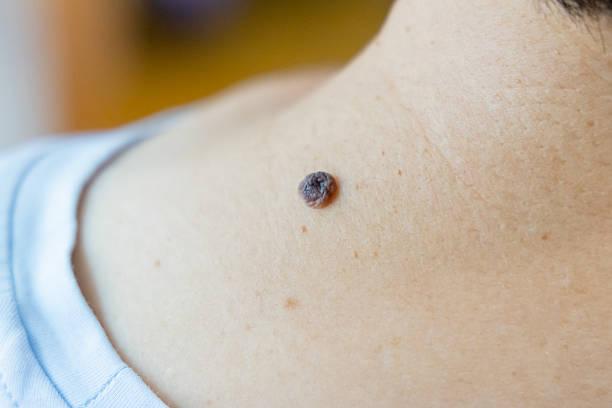
Raised moles are common skin growths that can appear on the face, neck, back, and other areas of the body. While many moles are harmless, some people choose to remove them because they affect their appearance, catch on clothing, or become irritated during everyday activities. Understanding the available treatment options can help you make an informed decision about your skin health and cosmetic goals.
If you are considering Mole Removal in Riyadh, learning about professional assessment, modern removal techniques, and aftercare is an important first step. The right approach depends on the mole’s size, location, appearance, and medical characteristics. Professional guidance can help determine whether removal is appropriate and which method may be suitable for your needs.
What Are Raised Moles?
Raised moles are skin growths that extend above the surrounding skin. They develop when pigment-producing cells, known as melanocytes, cluster together. Their appearance varies, and they may be brown, black, pink, or close to your natural skin tone.
Some raised moles remain unchanged for years, while others may gradually become more noticeable. Although many are benign, a mole that changes in size, shape, or colour should be evaluated by a qualified healthcare professional before any cosmetic treatment is considered.
Why Do People Choose Raised Mole Removal?
People consider mole removal for different reasons. A raised mole may cause discomfort when shaving, wearing jewellery, or putting on tight clothing. Others may prefer a smoother skin appearance, particularly when a mole is located on a visible area such as the face.
However, removal should not be based on appearance alone. A professional assessment helps identify suspicious features and ensures that the treatment plan prioritises skin health.
Treatment Options for Raised Moles
Several procedures can be used to remove raised moles. The most appropriate option depends on whether the growth is benign, how deeply it extends into the skin, and whether a tissue sample is needed for examination.
Surgical Excision
Surgical excision involves removing the mole and, when necessary, a small amount of surrounding tissue. The area is usually numbed with a local anaesthetic before the procedure begins.
This method may be recommended when a mole requires a more complete removal or laboratory examination. Stitches may be necessary, depending on the size and depth of the treated area. Some scarring is possible, so discussing healing expectations with your healthcare professional is important.
Shave Removal
Shave removal involves carefully removing a raised skin growth using a specialised surgical instrument. It may be suitable for certain superficial, clinically assessed benign moles.
The procedure typically leaves a small wound that heals over time. However, some moles may grow back if deeper cells remain. Shave removal is not appropriate for every mole, particularly when its features require full-thickness removal for accurate diagnosis.
Laser Treatment
Laser treatment uses focused light energy to target selected skin tissue or pigment. Although lasers have applications in dermatology, they are not suitable for every raised mole.
Laser treatment can destroy tissue and may prevent a sample from being obtained for laboratory examination. For this reason, a mole should be assessed before laser treatment is considered. A qualified professional can explain whether laser treatment is appropriate or whether another method offers a safer approach.
What to Expect During the Mole Removal Process
Initial Skin Assessment
The process begins with an examination of the mole. Your healthcare professional may ask when it appeared, whether it has changed, and whether it causes itching, pain, or bleeding. A dermatoscope or other assessment tools may be used when appropriate.
If the mole has suspicious features, further investigation or a biopsy may be necessary before removal.
Treatment and Healing
The procedure depends on the selected technique. Local anaesthesia may be used to minimise discomfort during surgical removal. After treatment, you will receive instructions for keeping the area clean, protecting the wound, and monitoring the healing process.
Healing time varies according to the treatment method, mole location, and individual skin characteristics. Following aftercare instructions can help reduce irritation and support recovery.
How to Care for Your Skin After Mole Removal
Proper aftercare is essential for supporting healing and reducing the risk of infection. Keep the treated area clean, follow the recommended wound-care instructions, and avoid picking at scabs or rubbing the healing skin.
Protect the area from direct sunlight, particularly if the mole was removed from your face or another exposed location. Once the wound has healed sufficiently, sunscreen may help reduce the risk of darkening or discolouration.
Contact your healthcare professional if you notice increasing redness, swelling, worsening pain, pus, or other signs of infection.
Choosing a Mole Removal Clinic in Riyadh
When searching for laser mole removal near me, look beyond convenience and consider the clinic’s assessment process, hygiene standards, available treatment options, and approach to follow-up care.
A suitable clinic should explain the benefits and limitations of each procedure, discuss potential scarring, and identify when laboratory examination is necessary. Avoid attempting to remove moles at home, as this can cause bleeding, infection, scarring, and delayed diagnosis of potentially serious skin conditions.
Frequently Asked Questions
Can all raised moles be removed?
Many raised moles can be removed, but the appropriate method depends on their characteristics and location. A professional assessment is necessary to determine whether removal is suitable.
Is raised mole removal painful?
Local anaesthesia is commonly used for surgical procedures, helping minimise discomfort. Mild soreness or sensitivity may occur after treatment, depending on the technique used.
Will mole removal leave a scar?
Scarring is possible with any procedure that removes skin tissue. The likelihood and appearance of a scar depend on the removal method, mole size, location, and individual healing response.
Can raised moles be removed with a laser?
Some skin lesions may be treated with lasers, but laser treatment is not suitable for every raised mole. A professional should assess the growth first, particularly if it has changed or appears unusual.
When should I have a raised mole examined?
Seek medical assessment if a mole changes in size, shape, or colour, develops irregular borders, starts bleeding, or becomes persistently itchy or painful. These changes do not always indicate a serious condition, but they should not be ignored.
Book Your Mole Removal Consultation
If a raised mole affects your comfort or confidence, a professional consultation can help you understand your options and choose an appropriate treatment plan. Enfield Royal Clinic offers consultations to discuss skin concerns, evaluate suitable treatment approaches, and explain the importance of safe removal and proper aftercare. Contact the clinic to learn more about arranging an assessment for your skin needs.

 English
 Arabic
 French
 Portuguese
 Deutsch
 Turkish
 Dutch
 Italiano
 Russian
 Romaian
 Portuguese (Brazil)
 Greek
