


How PRP Hair Treatment in Riyadh Supports Natural Hair Regrowth
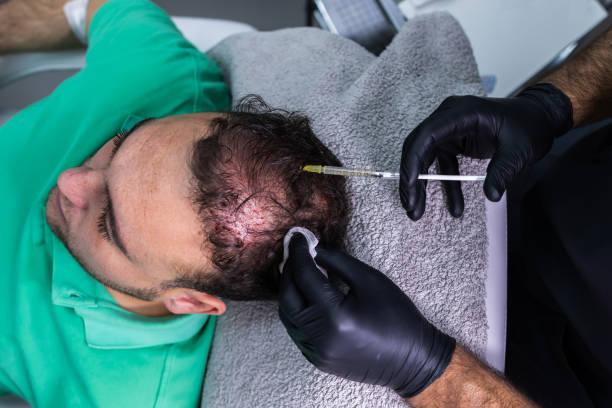
Hair thinning and hair loss can affect appearance, confidence, and overall well-being. Many people in Riyadh and across Saudi Arabia are exploring modern hair restoration options to improve hair density and support healthier growth. One treatment that has gained attention is platelet-rich plasma (PRP) therapy, a procedure that uses components of a person's own blood to support the scalp and hair follicles.
PRP Hair Treatment in Riyadh is an increasingly discussed option for people experiencing certain types of hair thinning. It involves collecting a small blood sample, processing it to concentrate platelets, and injecting the resulting plasma into selected areas of the scalp. Platelets contain growth factors that may support tissue repair and influence the environment around hair follicles.
Understanding how this treatment works, who may benefit from it, and what results to expect can help individuals make informed decisions about hair restoration.
What Is PRP Hair Treatment?
Platelet-rich plasma therapy is a medical procedure that separates a concentrated portion of platelets from a person's blood. Platelets are best known for their role in blood clotting, but they also release growth factors involved in tissue repair and cellular signaling.
In hair restoration, the concentrated plasma is administered to specific areas of the scalp where thinning is present. The aim is to support follicle activity and potentially improve hair thickness and density in suitable candidates.
PRP Hair Treatment in Riyadh is generally considered a nonsurgical approach because it does not require an operation or hair transplantation. However, it involves injections and should be performed by a qualified medical professional following an appropriate assessment.
How PRP Hair Treatment Supports Natural Hair Regrowth
PRP therapy is designed to improve the environment surrounding existing hair follicles rather than create entirely new follicles. Its potential effects are associated with growth factors released by platelets, which may influence cellular activity and tissue health.
Supporting Hair Follicle Activity
Hair follicles pass through natural growth, transition, and resting phases. In some forms of hair loss, the growth phase becomes shorter and individual hairs gradually become thinner. PRP may help support follicular activity in certain patients, although responses differ depending on the underlying cause of hair loss.
Potentially Improving Hair Thickness
Some clinical studies suggest that PRP treatment may improve hair density and hair thickness in people with androgenetic alopecia, also known as pattern hair loss. The degree of improvement varies, and the treatment does not guarantee complete regrowth.
Supporting Scalp Tissue Health
Platelets release biological signals involved in tissue repair. These signals may influence the local scalp environment, potentially supporting existing follicles. However, researchers are still studying the exact mechanisms through which PRP affects hair growth.
Why People Consider PRP Hair Treatment in Riyadh
Riyadh offers access to a range of medical and aesthetic treatments, including procedures intended to address hair thinning. People considering PRP often prefer exploring nonsurgical options before deciding whether more invasive approaches are appropriate.
PRP Hair Treatment in Riyadh may appeal to individuals who want a treatment that uses their own blood-derived plasma and does not involve a hair transplant. Its suitability nevertheless depends on the person's hair loss pattern, medical history, and follicle condition.
Another consideration is convenience. PRP is commonly performed as an outpatient procedure, meaning patients can usually return home afterward. Temporary scalp tenderness, redness, swelling, or bruising may occur, so following aftercare instructions is important.
PRP Hair Treatment in Saudi Arabia: Who May Benefit?
Interest in PRP Hair Treatment in Saudi Arabia extends to people experiencing different degrees of hair thinning. However, not every type of hair loss responds equally well to this approach.
People who may be considered for treatment include those with early pattern hair loss, reduced hair density, or thinning in areas where viable hair follicles remain. A medical professional can assess whether PRP is appropriate and whether other treatments may offer additional benefits.
People with completely bald areas where follicles are no longer functional may be less likely to experience meaningful regrowth from PRP alone. Sudden hair loss, patchy baldness, scalp inflammation, and hair loss associated with nutritional deficiencies or medical conditions require careful evaluation before treatment.
A consultation should include a review of medical history, current medications, scalp condition, and the possible causes of hair loss. This helps establish realistic expectations and identify conditions that may need a different treatment approach.
The PRP Hair Treatment Procedure Explained
Understanding the treatment process can help reduce uncertainty for people considering PRP. Although protocols vary among practitioners, the procedure generally follows several stages.
Initial Scalp Assessment
The practitioner examines the scalp, evaluates the distribution of hair thinning, and discusses the patient's medical history. Additional investigations may be recommended if the cause of hair loss is unclear.
Blood Collection and Processing
A small blood sample is collected and placed in a centrifuge. The centrifuge separates blood components, allowing the practitioner to obtain a platelet-rich plasma preparation according to the treatment protocol.
Administration of PRP
The prepared plasma is injected into selected areas of the scalp using a fine needle. The number and distribution of injections depend on the treatment area and the practitioner's assessment.
Post-Treatment Care
Patients receive instructions about scalp care, washing, exercise, and the use of hair products or medications. Mild discomfort or temporary redness can occur. Persistent pain, increasing swelling, fever, or other concerning symptoms should be reported to a healthcare professional promptly.
How Long Does It Take to See Results?
Hair growth is a gradual biological process, so PRP results are not immediate. Some people may notice reduced shedding or changes in hair thickness over several months, while others experience limited improvement.
PRP Hair Treatment in Riyadh may involve an initial series of sessions followed by maintenance treatments, depending on the practitioner's protocol and the individual's response. There is no universal schedule that suits everyone.
Results are influenced by the cause and duration of hair loss, the condition of existing follicles, general health, and consistency with the recommended treatment plan. Standardized photographs and clinical assessments can help track changes more reliably than day-to-day observation.
It is important to understand that PRP cannot guarantee complete hair restoration. Some individuals may benefit from combining it with established treatments, such as topical minoxidil or other medically appropriate therapies, under professional guidance.
Is PRP Hair Treatment Safe?
PRP uses plasma derived from the patient's own blood, which reduces the risk of certain immune reactions. Nevertheless, the procedure is not entirely risk-free.
Possible side effects include temporary pain, tenderness, bruising, redness, swelling, and irritation at injection sites. Infection and other complications are possible, particularly when appropriate hygiene and injection techniques are not followed.
People with certain blood disorders, platelet abnormalities, active scalp infections, or other relevant medical conditions may not be suitable candidates. Individuals taking blood-thinning medication should discuss it with their healthcare professional rather than stopping medication independently.
Choosing a qualified practitioner who follows appropriate medical standards is essential. Patients should also ask about the preparation method, infection-control procedures, expected outcomes, and available alternatives.
PRP Compared With Other Hair Restoration Options
PRP is one of several approaches used to manage hair loss. The most appropriate option depends on the diagnosis, the extent of thinning, and the person's goals.
Medical treatments such as minoxidil can help some people manage pattern hair loss, while prescription medications may be appropriate for selected patients after medical evaluation. Hair transplantation may be considered for certain individuals who have sufficient donor hair and want a surgical restoration option.
PRP differs because it uses a concentrated blood-derived preparation to support existing follicles. It may be used alone or alongside other treatments, but evidence regarding its effectiveness and optimal treatment protocols remains variable.
A personalized assessment helps determine whether PRP, medication, hair transplantation, or a combination of approaches is most suitable. Patients should be cautious of claims promising guaranteed results or permanent hair regrowth.
Conclusion
Hair loss can have several causes, and identifying the underlying problem is an important first step toward effective management. PRP therapy offers a nonsurgical option that may improve hair density and thickness in some individuals, particularly those with certain forms of early pattern hair loss. However, results vary, and the treatment is not suitable for every patient.
PRP Hair Treatment in Riyadh and PRP Hair Treatment in Saudi Arabia should be approached with realistic expectations, professional medical assessment, and a clear understanding of potential benefits and limitations. Anyone experiencing persistent or unexplained hair loss should seek an appropriate diagnosis before beginning treatment.
For individuals exploring hair restoration options, Enfield Royal Clinic Saudi can be considered as a starting point for learning about available aesthetic and hair treatment services. A professional consultation can help clarify suitability, discuss expected outcomes, and identify an approach aligned with individual hair health needs.
Frequently Asked Questions
What is PRP Hair Treatment in Riyadh?
PRP hair treatment uses platelet-rich plasma prepared from a patient's blood and injected into selected scalp areas. It aims to support existing hair follicles and may improve hair density in suitable candidates.
Does PRP treatment help with natural hair regrowth?
Clinical evidence suggests that PRP may improve hair density and thickness in some people, particularly those with pattern hair loss. Results vary, and complete regrowth is not guaranteed.
How many PRP hair treatment sessions are needed?
The number of sessions depends on the patient's condition, the treatment protocol, and the response to therapy. A qualified practitioner can recommend an individualized schedule and determine whether maintenance sessions may be appropriate.
Is PRP Hair Treatment in Saudi Arabia safe?
PRP is generally well tolerated when performed by a qualified professional using appropriate medical procedures. Temporary soreness, redness, swelling, or bruising may occur, and individual medical factors should be assessed beforehand.
When can I expect to see results from PRP hair treatment?
Improvements, when they occur, generally develop over several months because hair growth is gradual. Follow-up assessments can help determine whether the treatment is producing meaningful changes.
Can PRP treatment permanently stop hair loss?
PRP cannot guarantee permanent prevention of hair loss. Some people may need ongoing maintenance or additional treatments to manage their condition. The most appropriate long-term plan depends on the underlying cause of hair loss and individual treatment response.
 Portuguese (Brazil)
 English
 Arabic
 French
 Spanish
 Portuguese
 Deutsch
 Turkish
 Dutch
 Italiano
 Russian
 Romaian
 Greek
