


When Is Sebaceous Cyst Removal Medically Necessary?
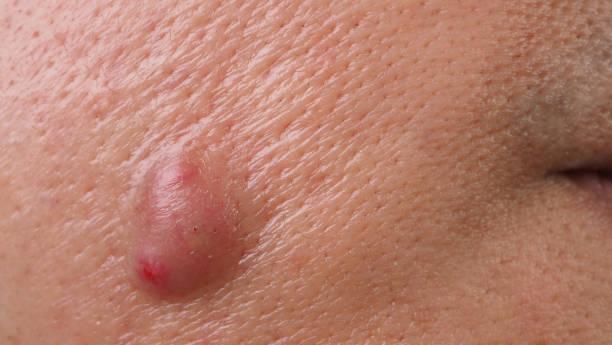
Sebaceous cysts are common skin lumps that can develop on the face, neck, back, scalp, or other areas of the body. Although these lumps are often harmless, some may become painful, inflamed, infected, or uncomfortable over time. Understanding when a cyst requires medical attention can help you protect your skin health and avoid potential complications. Knowing the warning signs and available treatment options also makes it easier to decide when professional evaluation is necessary.
When researching treatment options, people may also look into cyst surgery cost and the different procedures used to remove skin lumps. However, the most important consideration is determining whether the cyst needs treatment for medical reasons. A qualified healthcare professional can examine the lump, identify its likely cause, and recommend an appropriate approach based on its size, location, symptoms, and overall condition.
What Is a Sebaceous Cyst?
A sebaceous cyst is a slow-growing lump beneath the skin. The term is commonly used to describe epidermoid cysts, which typically develop when skin cells become trapped beneath the surface. These cysts often contain keratin, a protein found in skin, hair, and nails, rather than sebum alone.
Most cysts are round, movable, and painless. Some have a small opening in the centre and may release a thick substance with an unpleasant smell. Although many remain unchanged for long periods, others can become irritated or inflamed. A healthcare professional can assess the lump to determine whether it is a cyst or another type of skin growth.
When Is Sebaceous Cyst Removal Medically Necessary?
Persistent Pain or Discomfort
A cyst that causes ongoing pain, tenderness, or pressure may require medical evaluation. Discomfort can occur when the lump becomes inflamed, grows larger, or presses against surrounding tissues. Cysts located beneath clothing, near joints, or in areas exposed to frequent friction may also interfere with everyday activities.
A healthcare professional can assess the source of the discomfort and determine whether removal or another treatment is appropriate.
Signs of Infection
An infected cyst may become increasingly red, swollen, warm, and painful. Pus or other discharge may develop, and the surrounding skin can become irritated. Fever, spreading redness, or rapidly worsening symptoms may indicate a more serious infection that requires prompt medical attention.
Treatment depends on the severity of the infection. A clinician may recommend drainage, medication when indicated, or removal at a later stage after the inflammation has settled. Attempting to squeeze or cut open the cyst at home can worsen the condition.
Rapid Growth or Changes in Appearance
Most uncomplicated cysts grow slowly. If a lump increases in size quickly, changes in colour, becomes unusually firm, develops an irregular appearance, or starts bleeding, it should be examined by a healthcare professional.
These changes do not automatically indicate a serious condition, but they may suggest that the lump is not a typical cyst. Examination helps determine whether additional testing or a different treatment approach is needed.
Repeated Inflammation or Recurrence
Some cysts repeatedly become swollen, irritated, or infected. Recurring symptoms can interfere with daily comfort and increase the likelihood of complications. In these situations, a healthcare professional may recommend removing the cyst and its capsule when appropriate.
Simply draining the contents may provide temporary relief, but the cyst can return if its capsule remains. Complete removal, when medically suitable, can reduce the likelihood of recurrence.
When Can a Sebaceous Cyst Be Left Untreated?
Small and Painless Cysts
A small cyst that remains stable and causes no discomfort may not require immediate removal. After assessing the lump, a healthcare professional may recommend monitoring it for changes rather than performing a procedure straight away.
Regular observation is important because a previously harmless lump can become inflamed or change over time.
Cysts That Cause No Functional Problems
If a cyst does not interfere with movement, clothing, personal hygiene, or other daily activities, treatment may not be medically necessary. Nevertheless, its location and appearance should be considered during a professional assessment.
Patients should seek medical advice if new symptoms develop rather than assuming the lump is harmless indefinitely.
How Is Sebaceous Cyst Removal Performed?
Clinical Examination
The process begins with an examination of the lump, including its size, location, texture, and symptoms. Most typical cysts can be assessed through a physical examination, although further investigation may be necessary when the diagnosis is uncertain.
Choosing the Appropriate Procedure
Depending on the cyst's condition, treatment may involve observation, drainage of an infected collection, or surgical removal. Excision usually involves removing the cyst and its capsule under local anaesthesia when appropriate. If infection or significant inflammation is present, definitive removal may need to be postponed until the condition improves.
Aftercare and Recovery
Following removal, patients should keep the treated area clean and follow the clinician's wound-care instructions. Mild tenderness, swelling, or bruising may occur temporarily. The recovery period depends on the cyst's size, location, procedure, and individual healing response.
Patients should seek medical advice if they notice increasing pain, spreading redness, persistent discharge, or other signs of complications.
Frequently Asked Questions
Can a sebaceous cyst become dangerous?
Most cysts are benign and do not cause serious problems. However, infection, persistent inflammation, rapid growth, or unusual changes should be evaluated by a healthcare professional.
Should I remove a sebaceous cyst if it does not hurt?
Not necessarily. Small, stable, painless cysts may only require monitoring. A professional assessment can help determine whether removal is appropriate.
Can an infected sebaceous cyst be removed immediately?
Not always. Depending on the severity of inflammation, a clinician may first treat the infection or drain the affected area before considering complete removal.
Will a sebaceous cyst return after removal?
Recurrence is possible, particularly if the cyst capsule is not completely removed. Appropriate treatment and aftercare can help reduce this risk.
Is it safe to squeeze a sebaceous cyst at home?
No. Squeezing or puncturing a cyst can cause inflammation, infection, tissue damage, and scarring. Professional evaluation is the safer option.
Schedule a Consultation at Enfield Royal Clinic
If you have a persistent, painful, inflamed, or changing skin lump, professional evaluation can help you understand the cause and explore suitable treatment options. Enfield Royal Clinic provides consultations to discuss skin concerns and appropriate care based on individual needs. Arrange a consultation to receive guidance on whether your cyst requires treatment and how to maintain healthy skin.

 English
 Arabic
 French
 Spanish
 Portuguese
 Turkish
 Dutch
 Italiano
 Russian
 Romaian
 Portuguese (Brazil)
 Greek
