


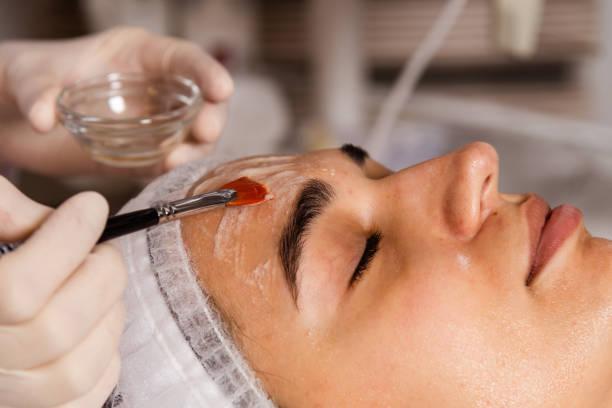
If there's one aftercare instruction that matters more than any other after a chemical peel, it's sun protection. Chemical Peels in Riyadh Not because it's the most frequently mentioned, but because neglecting it can undo everything the peel achieved. Freshly resurfaced skin is highly vulnerable to UV damage, and the consequences range from darkened patches to prolonged pigmentation that takes months to fade. If you've had or are planning Chemical Peels in Riyadh, understanding why sun protection matters so much helps you take it seriously.
Why Peeled Skin Is Vulnerable
The Barrier Is Compromised
Chemical peels remove the outer layers of skin, leaving the barrier temporarily weakened. This makes it easier for UV radiation to penetrate deeper layers.
Melanocytes Are Activated
The healing process stimulates melanocytes, the cells that produce pigment. UV exposure during this window can trigger excess pigment production, leading to dark patches.
New Skin Is Delicate
The fresh skin revealed after peeling is thinner and more sensitive than mature skin. It burns more easily and responds more strongly to UV exposure.
Inflammation Increases Sensitivity
The inflammatory response that follows a peel makes skin more reactive to sunlight.
The Risks of Skipping Sun Protection
Post-Inflammatory Hyperpigmentation
This is the most common consequence. Dark patches develop in treated areas, particularly in darker skin tones.
Prolonged Redness
UV exposure can prolong redness and delay healing.
Undone Results
Pigmentation and texture improvements can be reversed if sun protection is neglected.
Increased Risk of Scarring
Sun exposure can worsen healing and increase scarring risk.
Premature Ageing
UV exposure breaks down collagen, undoing the collagen-stimulating benefits of the peel.
How to Protect Your Skin
Daily Sunscreen
Apply broad-spectrum sunscreen with SPF 30 or higher every day, even on cloudy days. Reapply every two hours when outdoors.
Choose the Right Sunscreen
Mineral sunscreens with zinc oxide or titanium dioxide are often better tolerated by healing skin than chemical filters.
Avoid Direct Sun Exposure
Stay in the shade during peak UV hours (10 a.m. to 4 p.m.). Wear hats and protective clothing.
Avoid Tanning Beds
Tanning beds are off-limits. They deliver concentrated UV exposure that can cause significant damage.
Protect During Exercise
If exercising outdoors, apply sunscreen and wear protective clothing.
Reapply After Swimming or Sweating
Water and sweat reduce sunscreen effectiveness. Reapply as needed.
Don't Rely on Makeup
Makeup with SPF is insufficient for adequate protection. Use dedicated sunscreen underneath.
How Long Protection Is Needed
At Least Two Weeks
The most critical window is the first two weeks after a peel. This is when skin is most vulnerable.
Longer for Deeper Peels
Medium and deep peels require longer protection, often four weeks or more.
Long-Term Habit
Sun protection should be a daily habit regardless of peels. It preserves results and protects overall skin health.
What to Do If You Get Sun Exposure
Assess the Damage
Look for new redness, darkening, or irritation.
Contact Your Practitioner
If you notice significant changes, seek advice.
Resume Strict Protection
Increase sunscreen use and avoid further exposure.
Be Patient
Some pigmentation fades over time, but persistent changes may need treatment.
Supporting Skin Health Alongside Sun Protection
Moisturize
Well-moisturized skin heals better and tolerates UV exposure more effectively.
Avoid Harsh Products
Skip retinoids, acids, and exfoliants until cleared.
Stay Hydrated
Hydration supports skin health from within.
Eat Well
Antioxidants in fruits and vegetables support skin repair.
Questions to Ask Your Practitioner
About Sun Protection
"What sunscreen do you recommend after my peel?"
About Duration
"How long do I need to be especially careful?"
About Reapplication
"How often should I reapply sunscreen?"
About Warning Signs
"What should I do if I notice pigmentation changes?"
About Products
"Are there ingredients I should avoid in sunscreen?"
Book an Appointment Consultation Clinic
For those seeking expert guidance and customized aesthetic care, you can book an appointment consultation at the Enfield Royal Riyadh. A personalised consultation provides sun protection guidance tailored to your peel depth and skin type.
FAQs
Why is sun protection important after a chemical peel?
Peeled skin is more vulnerable to UV damage, which can cause pigmentation, prolong redness, and undo results.
How long do I need sun protection after a peel?
At least two weeks for superficial peels, longer for medium and deep peels.
What sunscreen is best after a peel?
Mineral sunscreens with zinc oxide or titanium dioxide are often better tolerated by healing skin.
Can I go in the sun after a peel?
Avoid direct sun exposure during healing. Once healed, use sunscreen daily.
What happens if I skip sun protection?
Post-inflammatory hyperpigmentation, prolonged redness, and undone results are common consequences. People searching for an advanced peel clinic riyadh should prioritise aftercare. A Chemical Peels in Riyadh consultation should include sun protection guidance.

 English
 French
 Spanish
 Portuguese
 Deutsch
 Turkish
 Dutch
 Italiano
 Russian
 Romaian
 Portuguese (Brazil)
 Greek
