


Understanding Possible Side Effects of Laser Hair Removal
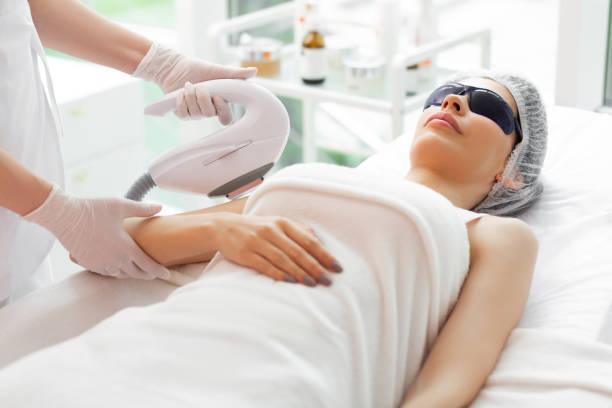
Laser hair removal is a widely used method for reducing unwanted hair and simplifying long-term grooming routines. Although professional treatment is generally well tolerated when performed appropriately, it can cause temporary skin reactions and, in some cases, more significant complications. Understanding these possible side effects helps patients prepare for treatment, recognize normal healing, and know when to seek medical advice. For individuals considering Laser Hair Removal in Riyadh (إزالة الشعر بالليزر في الرياض), learning about safety precautions and appropriate aftercare is an important step toward making an informed decision.
How Laser Hair Removal Affects the Skin
Laser hair removal uses concentrated light energy that targets melanin, the pigment found in hair. The energy converts into heat, damaging structures within the hair follicle that contribute to growth. Because the treatment relies on controlled heating, the surrounding skin may also experience temporary effects.
The likelihood of side effects depends on factors such as skin tone, hair characteristics, treatment area, laser technology, device settings, recent sun exposure, and the experience of the provider. A thorough consultation helps identify individual risk factors and determine whether treatment is suitable.
Common Temporary Side Effects
Most immediate reactions are mild and improve within a relatively short period. Following the provider's aftercare instructions can help keep the skin comfortable during recovery.
Redness and Mild Swelling
Temporary redness and slight swelling around the treated hair follicles are among the most common reactions. These effects may resemble mild sunburn and often settle within hours to a couple of days. The exact recovery time varies depending on the treated area and individual skin sensitivity.
A cool compress may provide relief. Avoid rubbing the area, using harsh skincare products, or applying excessive heat while the skin remains irritated.
Temporary Skin Sensitivity
The treated area may feel warm, tender, itchy, or slightly uncomfortable after a session. This sensitivity usually improves as the skin settles. Gentle cleansing and a simple, fragrance-free moisturizer may help if tolerated.
If discomfort becomes severe, persists, or worsens rather than improving, contact your provider for an assessment.
Temporary Changes Around Hair Follicles
Small bumps or mild swelling around individual follicles may appear shortly after treatment. These reactions can be part of the skin's response to laser energy and usually resolve without special treatment. Avoid scratching or squeezing the area, as doing so may increase irritation or the risk of infection.
Less Common but More Significant Side Effects
Although less frequent, some reactions require additional attention. Understanding the warning signs helps patients respond promptly if the skin does not heal as expected.
Burns and Blistering
Excessive heat or unsuitable laser settings can cause burns, blisters, crusting, and, in more serious cases, scarring. Risk may increase when treatment is performed on recently tanned skin or with equipment that is unsuitable for the person's skin tone.
Do not pop blisters or apply strong creams without medical advice. Seek prompt professional assessment if you develop blistering, significant pain, or skin that appears burned.
Hyperpigmentation and Hypopigmentation
Hyperpigmentation refers to skin becoming darker than the surrounding area, while hypopigmentation means that the skin becomes lighter. These pigment changes can occur after inflammation or injury and may take weeks or longer to improve. In some cases, changes can persist.
People with darker skin tones may have a greater risk of pigment-related complications if the wrong technology or settings are used. Appropriate device selection, careful treatment, and sun protection are therefore especially important.
Infection and Scarring
Infection is uncommon but may occur if the skin barrier is damaged or irritated areas are not cared for properly. Increasing redness, worsening pain, warmth, pus, or fever may indicate a problem that needs medical evaluation. Scarring is also possible, particularly after significant burns or picking at injured skin.
Avoid scratching, peeling, or attempting to remove crusts. Follow professional aftercare guidance and seek medical advice if healing seems unusual.
Is Laser Hair Removal Safe for Darker Skin Tones?
People with darker skin tones can often undergo laser hair removal, but treatment requires careful assessment. Because the skin contains more melanin, some laser wavelengths may be absorbed by the surrounding skin as well as the hair, increasing the risk of burns and pigment changes.
Choosing Appropriate Laser Technology
Long-pulsed Nd lasers are commonly used for darker skin types because their longer wavelength is less strongly absorbed by epidermal melanin than some shorter wavelengths. Certain diode systems may also be suitable, depending on the device and the individual's skin characteristics.
No device is completely risk-free. A qualified provider should assess your skin tone, hair color, medical history, and treatment area before selecting the technology and settings. A patch test may be recommended to evaluate your response before treating a larger area.
For anyone considering Laser Hair Removal in Riyadh, choosing an experienced professional who understands different skin tones is an important part of reducing avoidable risks.
Factors That May Increase the Risk of Side Effects
Several circumstances can make the skin more vulnerable during or after treatment.
Recent Sun Exposure or Tanning
Recently tanned or sunburned skin may be more susceptible to burns and pigmentation changes. Avoid intentional tanning and follow your provider's instructions about sun exposure before appointments. Tell the clinic if you have recently been in strong sunlight so the provider can decide whether treatment should proceed.
Certain Medications and Skincare Products
Some medications can increase sensitivity to light or affect skin healing. Retinoids, exfoliating acids, and other active skincare products may also contribute to irritation in certain circumstances. Inform your provider about all medications, supplements, and skincare products you use. Do not stop prescribed medication without consulting the healthcare professional responsible for it.
Inappropriate Treatment Settings
Laser settings must be tailored to the individual and the specific treatment area. Using unsuitable equipment, excessive energy, or inadequate cooling can increase the chance of skin injury. Treatment should be performed by a trained provider who uses appropriate protective equipment and follows established safety procedures.
How to Reduce the Risk of Side Effects
Although side effects cannot be eliminated completely, sensible preparation and aftercare can help lower the risk of complications.
-
Choose a qualified provider: Confirm that the professional has suitable training and experience with your skin tone and treatment area.
-
Follow preparation instructions: Avoid tanning and disclose recent sun exposure, medications, and relevant skin conditions.
-
Shave as directed: Avoid waxing, plucking, and threading before treatment because these methods remove hair from the root.
-
Use gentle aftercare: Clean the area gently, avoid friction and excessive heat, and follow the clinic's recommendations.
-
Protect against sunlight: Apply broad-spectrum sunscreen to exposed areas when appropriate and limit direct sun exposure.
-
Report unusual symptoms: Seek professional advice for blistering, severe pain, spreading redness, or unexpected skin discoloration.
When Should You Seek Medical Advice?
Mild redness, warmth, and swelling around hair follicles may occur after treatment and should gradually improve. However, severe or increasing pain, blisters, extensive swelling, pus, fever, or persistent pigment changes require professional assessment. Seek urgent medical attention if you experience a severe reaction or signs of a spreading infection.
Do not try to manage a significant burn with aggressive exfoliation, home remedies, or unprescribed products. Early evaluation can help identify the cause and guide appropriate care.
Book a Laser Hair Removal Consultation
Understanding possible side effects helps you weigh the benefits and risks of treatment before getting started. Royal Clinic Saudia ( عيادات رويال كلينك ) can help you discuss your skin type, treatment goals, safety precautions, and aftercare requirements. Book a consultation to learn more about Laser Hair Removal in Riyadh and determine whether a personalized treatment plan is appropriate for you.

 Arabic
 French
 Spanish
 Portuguese
 Deutsch
 Turkish
 Dutch
 Italiano
 Russian
 Romaian
 Portuguese (Brazil)
 Greek
