


What Is PRP Hair Treatment and How Does It Work?
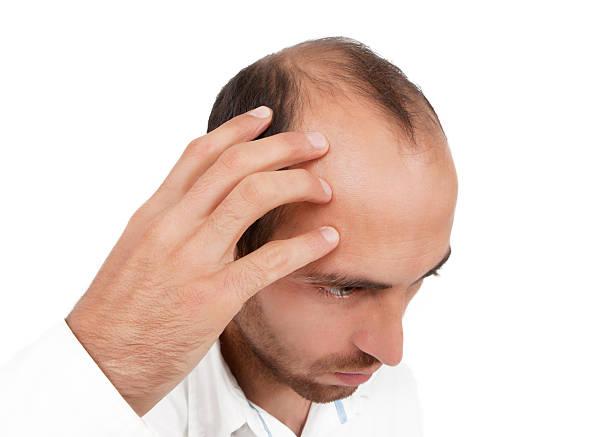
Hair thinning, excessive hair shedding, and a gradually widening part can affect both appearance and confidence. Many people explore non-surgical options to support healthier-looking hair and improve scalp health. One option is Platelet-Rich Plasma (PRP) therapy, a treatment that uses components of a person's own blood. Understanding PRP Hair Treatment in Riyadh can help individuals learn how this procedure works, who may benefit from it, and what to expect before considering treatment.
PRP therapy has gained attention because it uses the body's natural healing components rather than relying on hair transplantation. The procedure involves preparing platelet-rich plasma from a small blood sample and injecting it into selected areas of the scalp. People researching PRP Hair Treatment in Riyadh often want to know whether it can stimulate hair growth, reduce shedding, and support existing hair follicles. Results vary depending on the cause of hair loss, the individual's health, and the treatment plan recommended by a qualified medical professional.
What Is PRP Hair Treatment?
Platelet-Rich Plasma therapy is a medical procedure that separates platelets and plasma from a person's blood to create a concentrated preparation. Platelets are best known for helping blood clot, but they also release growth factors involved in tissue repair and cellular communication. In hair restoration, PRP is injected into areas of the scalp where hair thinning is present, with the goal of supporting follicle activity and improving hair growth.
PRP is considered a minimally invasive treatment because it does not require surgical incisions or hair transplantation. However, it involves injections and should be performed by a trained healthcare professional who can assess suitability, explain possible risks, and use appropriate sterile techniques.
How Does PRP Hair Treatment Work?
Blood Collection
The process usually begins with collecting a small amount of blood from the patient's arm. This step is similar to a routine blood test. The collected sample is then prepared for processing, following the clinic's medical protocols.
Separation of Platelets
The blood sample is placed in a specialised centrifuge, which spins it at a controlled speed to separate its components. This allows the healthcare professional to obtain a plasma preparation containing a higher concentration of platelets than ordinary blood plasma. Preparation methods and platelet concentrations can differ between systems.
Injection Into the Scalp
After the PRP preparation is ready, a qualified provider injects it into selected areas of the scalp. The injection sites depend on the pattern of thinning and the patient's assessment. A topical numbing product or another appropriate method may be used to reduce discomfort during the procedure.
Supporting Hair Follicle Activity
Platelets release growth factors that participate in tissue repair and cellular signalling. Researchers believe these factors may influence the environment surrounding hair follicles and support the growth phase of the hair cycle. However, PRP does not create new hair follicles, and its effects are not guaranteed. Research suggests potential benefits for some types of hair loss, particularly androgenetic alopecia, but study results and treatment protocols vary.
What Are the Potential Benefits of PRP Hair Treatment?
Supporting Thicker-Looking Hair
Some patients experience improvements in hair density or thickness following a course of PRP sessions. The treatment may be particularly useful when hair follicles are still present but are producing finer strands. Individual responses differ, and visible improvement cannot be promised.
Helping Manage Hair Shedding
PRP may help reduce hair shedding in certain individuals by supporting follicle function. However, hair loss can result from several factors, including hormonal changes, nutritional deficiencies, illness, stress, and scalp conditions. Identifying the underlying cause is important before choosing a treatment.
Offering a Non-Surgical Option
Unlike hair transplantation, PRP does not involve surgically moving hair follicles from one part of the scalp to another. It may appeal to people seeking a less invasive approach, although injections, temporary discomfort, swelling, tenderness, and bruising can occur.
Who May Be a Suitable Candidate for PRP?
PRP may be considered for adults experiencing early hair thinning or certain forms of pattern hair loss. A medical assessment helps determine whether the treatment is appropriate based on the person's medical history, scalp condition, hair-loss pattern, and treatment goals.
People with active scalp infections, certain blood disorders, platelet abnormalities, or other relevant medical conditions may require additional assessment or may not be suitable candidates. PRP may also be less effective when hair follicles have been permanently destroyed. A qualified professional can discuss alternatives when necessary.
How Many PRP Sessions Are Needed?
The number of sessions depends on the patient's condition, the treatment protocol, and the clinician's assessment. Some treatment plans begin with several sessions spaced weeks apart, followed by reassessment and possible maintenance sessions. There is no single schedule that works for everyone.
Hair growth occurs gradually, so results should not be judged immediately after treatment. Changes may take several months to become noticeable, and ongoing care may be needed to maintain improvement. Your provider should explain realistic expectations and how progress will be evaluated.
What Should You Expect After Treatment?
Most people can return to routine activities relatively soon, depending on their individual response and the provider's instructions. Temporary scalp tenderness, redness, swelling, or small bruises may occur around the injection sites. Keeping the scalp clean and following aftercare instructions can help support recovery.
Avoid applying unapproved products or undergoing additional scalp procedures until your provider confirms they are appropriate. Contact a healthcare professional if you develop worsening pain, spreading redness, fever, or other concerning symptoms after treatment.
Is PRP Hair Treatment Effective for Everyone?
PRP can be helpful for some people, but it is not a universal solution for hair loss. Outcomes depend on the diagnosis, the condition of the hair follicles, the preparation method, and individual biological factors. Scientific evidence is encouraging for certain types of hair thinning, although more standardised research is needed to establish the best protocols and long-term results.
A clinician may recommend combining PRP with established treatments, such as minoxidil or other appropriate therapies, depending on the cause of hair loss. Treatment combinations should always be personalised rather than selected without medical guidance.
Book an Appointment at Royal Clinic Saudia
If you are concerned about hair thinning or excessive shedding, a professional assessment can help you understand the available treatment options. Contact Royal Clinic Saudia to discuss your hair restoration goals, learn whether PRP therapy may be suitable for you, and receive personalised medical guidance before starting treatment.
FAQs:
What does PRP stand for in hair treatment?
PRP stands for Platelet-Rich Plasma. It is prepared from a person's own blood and contains a concentrated amount of platelets that release growth factors involved in tissue repair and cellular signalling.
Is PRP hair treatment painful?
Patients may experience mild discomfort or a brief stinging sensation during scalp injections. A suitable numbing method may help reduce discomfort, although the experience varies from person to person.
When can I see results from PRP hair treatment?
Improvements, when they occur, generally develop gradually over several months. The timing depends on the cause of hair loss, the individual's response, and the treatment schedule.
Can PRP permanently stop hair loss?
No. PRP cannot guarantee permanent results or stop every type of hair loss. Some people experience improved hair density or reduced shedding, but maintenance treatment and other therapies may be needed depending on the underlying condition.

 English
 Arabic
 French
 Spanish
 Portuguese
 Deutsch
 Turkish
 Dutch
 Italiano
 Russian
 Portuguese (Brazil)
 Greek
