


How Scalp Health Influences Hair Growth and Hair Retention
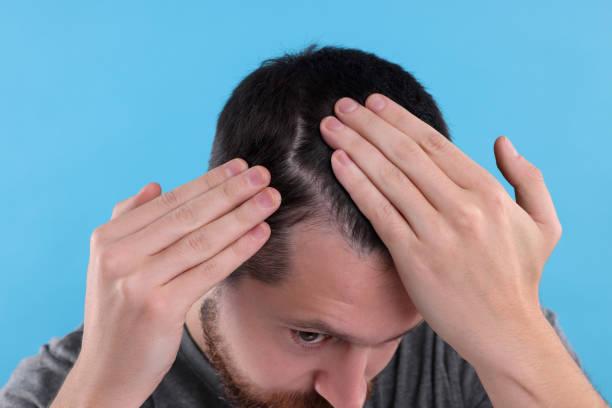
Healthy hair begins with a scalp that supports normal follicle function and provides a suitable environment for growth. When the scalp experiences persistent irritation, inflammation, excessive oiliness, or certain skin conditions, hair care can become more difficult and shedding or breakage may become noticeable. Although scalp health does not explain every case of hair loss, it plays an important role in maintaining comfortable skin and supporting healthy hair. Choosing the right hair treatment riyadh starts with understanding the condition of the scalp, identifying possible causes of thinning, and selecting appropriate care. With the right approach, many people can improve scalp comfort and address factors that may be affecting hair retention.
Understanding the Connection Between Scalp Health and Hair Growth
Hair follicles are small structures within the skin that produce individual strands. Their activity depends on several factors, including genetics, hormones, circulation, and overall health. A healthy scalp helps protect these follicles and supports the normal hair growth cycle.
When the scalp becomes inflamed or develops a condition such as an infection, follicle function may be affected. Scratching, irritation, and repeated mechanical damage can also contribute to hair breakage. Some inflammatory conditions may damage follicles permanently if they are not treated promptly.
However, a dry or oily scalp does not automatically mean that hair will fall out. Hair loss can also result from hereditary factors, hormonal changes, nutritional deficiencies, medications, and stress. Identifying the underlying cause is essential before choosing a treatment.
Common Scalp Conditions That May Affect Hair Retention
Dandruff and Seborrheic Dermatitis
Dandruff is characterized by visible flakes, while seborrheic dermatitis can cause flaking, redness, and itching. These conditions commonly affect the scalp and may make regular hair care uncomfortable. Repeated scratching can damage the hair shaft and contribute to breakage.
Medicated shampoos or other treatments may help manage symptoms, depending on the severity. Persistent irritation should be assessed by a healthcare professional, particularly when standard scalp care does not provide relief.
Scalp Psoriasis
Scalp psoriasis can cause raised, scaly patches that may itch, feel uncomfortable, or crack and bleed. Scratching or forcibly removing scales can damage hairs and contribute to temporary shedding.
Treatment focuses on controlling inflammation and reducing scaling. Depending on severity, a clinician may recommend medicated topical products or other therapies. Avoid pulling scales away from the scalp, as this can worsen irritation.
Fungal Infections
Certain fungal infections, including scalp ringworm, may cause scaling, broken hairs, itching, and patchy hair loss. Some cases can become inflamed and may lead to scarring if treatment is delayed.
Scalp fungal infections often require prescription oral antifungal medication; shampoo alone may not be sufficient. Prompt professional assessment is important if there are tender areas, swelling, pus, or rapidly developing bald patches.
Folliculitis and Scalp Inflammation
Folliculitis occurs when hair follicles become inflamed, sometimes resulting in small bumps, tenderness, or pus-filled spots. Causes can include infection, irritation, or other inflammatory processes.
Treatment depends on the cause and severity. Repeated or persistent follicular inflammation should be assessed because certain inflammatory scalp conditions can cause lasting hair loss if follicles become scarred.
How Scalp Care Supports Healthy Hair
A consistent, gentle scalp-care routine can help maintain cleanliness, reduce avoidable irritation, and make it easier to notice changes early. The most appropriate routine depends on your scalp type, hair texture, and any existing skin condition.
Choose Suitable Cleansing Products
Use a shampoo that suits your scalp and hair-care needs. People with an oily scalp may prefer more frequent washing, while those with dry or textured hair may need a gentler routine to avoid excessive dryness.
There is no universal washing schedule that works for everyone. If you have persistent flakes, itching, or redness, a medicated shampoo may be appropriate, but the correct product depends on the suspected condition.
Avoid Excessive Scratching and Harsh Treatments
Scratching can damage the scalp and hair shafts, particularly when irritation is ongoing. Excessive heat, harsh chemical treatments, and vigorous brushing can also increase breakage.
Handle the hair gently, detangle carefully, and avoid applying products that consistently cause burning or irritation. If a product triggers a reaction, discontinue its use and seek advice if symptoms persist.
Maintain Balanced Nutrition
Hair growth requires adequate protein and essential nutrients, including iron and zinc. A balanced diet supports general health, while a confirmed deficiency may need targeted correction.
Supplements are not necessary for everyone, and excessive intake of certain vitamins and minerals can be harmful. If shedding is persistent or accompanied by other symptoms, a healthcare professional can help determine whether nutritional testing is appropriate.
Medical Treatments That May Support Hair Growth
Scalp care can improve comfort and help manage certain skin conditions, but it may not be enough to address hereditary or medically related hair loss. Treatment should be matched to the cause.
Topical Minoxidil
Minoxidil is commonly used for certain types of hereditary hair loss. Applied to the scalp, it may help support growth and slow further thinning in suitable patients. Consistent use over several months is usually needed before results can be assessed.
Some people experience dryness, irritation, or temporary increased shedding when starting treatment. It is important to follow professional guidance, especially if the scalp is already inflamed or sensitive.
Prescription Treatments
Prescription medications may be appropriate for selected types of hair loss or specific scalp conditions. The choice depends on the diagnosis, medical history, and potential side effects. Some medications require particular precautions during pregnancy or breastfeeding.
If an underlying condition such as a thyroid disorder or nutritional deficiency is contributing to hair loss, treating that cause may be more important than using a hair-growth product.
Platelet-Rich Plasma Therapy
Platelet-rich plasma (PRP) therapy involves processing a sample of the patient's blood to concentrate platelets, then injecting the preparation into selected areas of the scalp. It may improve hair density for some people with certain types of thinning, but outcomes vary and evidence for different protocols is still developing.
PRP is not a substitute for treating an active scalp infection or significant inflammation. A professional assessment can help determine whether it is a suitable option.
When Should You Consider Professional Hair Loss Treatment?
Consider seeking medical advice if you notice persistent thinning, excessive shedding, patchy hair loss, or scalp symptoms that do not improve with routine care. Pain, redness, scaling, swelling, or broken hairs may indicate a condition requiring specific treatment.
During an assessment, a clinician may review your medical history, examine the scalp, and recommend tests when necessary. This helps distinguish between temporary shedding, hereditary hair loss, breakage, and inflammatory conditions.
For individuals exploring Hair Loss Treatment in Riyadh, an individualized plan may involve scalp treatment, medication, nutritional correction, or other options depending on the diagnosis. Early assessment is especially important when symptoms suggest possible scarring or infection.
Building a Long-Term Scalp and Hair Care Routine
Maintaining scalp health involves regular cleansing, gentle styling, balanced nutrition, and attention to changes in the skin or hair. Avoid harsh treatments and repeated tension on the roots, and seek professional advice when symptoms persist.
Remember that a healthy scalp cannot prevent every form of hair loss. Hereditary thinning and some medical conditions may require specific treatment even when the scalp appears normal. Realistic expectations and consistent follow-up can help you understand whether your approach is working.
Supporting Healthier Hair with Professional Guidance
Scalp health influences hair comfort, breakage, and the management of certain hair-loss conditions, but effective treatment depends on identifying the underlying cause. Gentle scalp care may help reduce irritation, while medical treatment may be necessary for infections, inflammation, or hereditary thinning.
To explore appropriate Hair Loss Treatment in Riyadh options, book a consultation with Royal Clinic Saudia. A professional assessment can help identify possible scalp concerns, discuss suitable treatments, and develop a plan tailored to your hair and scalp needs.

 English
 Arabic
 French
 Spanish
 Portuguese
 Deutsch
 Turkish
 Italiano
 Russian
 Romaian
 Portuguese (Brazil)
 Greek
